Introduction to Communication
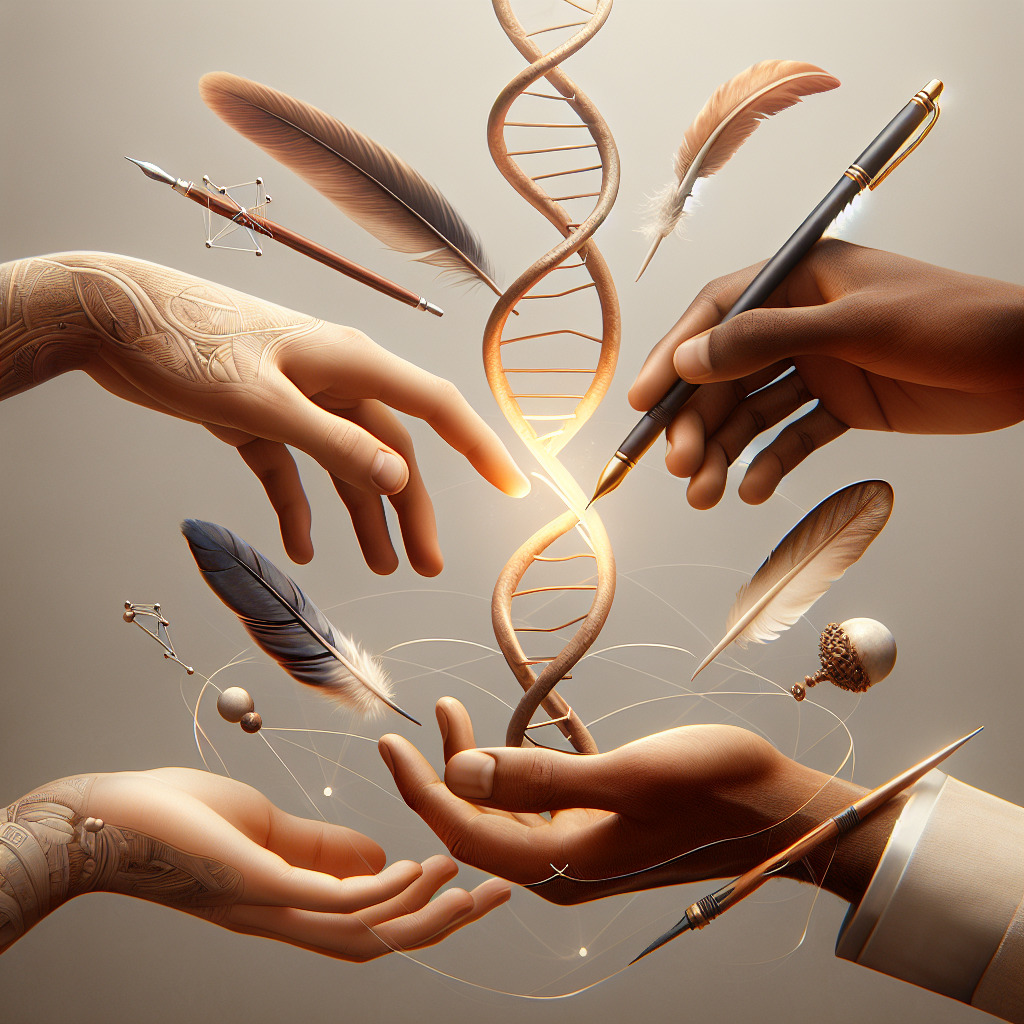
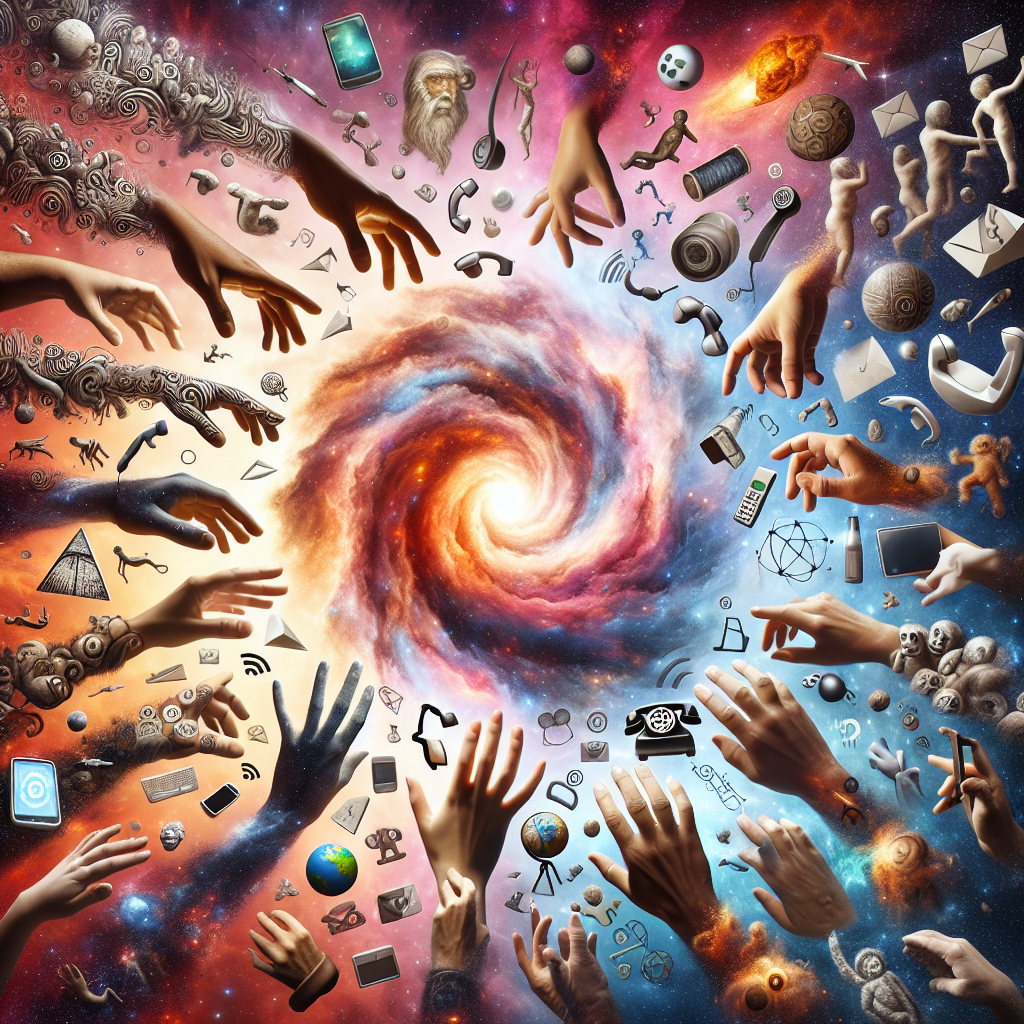
Communication is an intrinsic part of human existence. It encompasses the ways we share information, thoughts, and emotions with others, often in search of understanding or response. From the earliest forms of speech to the instant digital messaging of today, communication has continuously evolved, shaping societies, enhancing relationships, and influencing global interactions.
The Historical Evolution of Communication
Primitive Beginnings
Human communication began with non-verbal expressions and physical gestures, which were essential for early humans to convey messages of danger or safety. Over time, the development of language and abstract symbols marked significant progress in human interaction.
The Written Word
The advent of writing systems around 3200 BC in Mesopotamia and Egypt allowed for the recording of history and transmission of knowledge across generations. The alphabet further simplified writing and reading, enabling more effective communication.
The Printing Press
In the 15th century, the invention of the printing press by Johannes Gutenberg revolutionized the distribution of information. Books, previously a luxury, became accessible, allowing for widespread literacy and education.
The Era of Electronic Communication
The 19th and 20th centuries witnessed groundbreaking developments such as the telegraph, telephone, radio, and television. These inventions drastically altered how information was disseminated, shrinking distances and broadening audiences.
The Digital Age
The late 20th century introduced digital communication technologies, notably the internet. Mobile devices and social media platforms have further transformed how we connect, share ideas, and influence global culture instantaneously.
Types of Communication
- Verbal Communication
Involves spoken or written words and is the most direct form of human expression. It includes face-to-face conversations, phone calls, video conferences, and digital messaging. - Non-verbal Communication
Encompasses body language, gestures, and facial expressions that often accompany verbal communication, providing additional context and emotional nuance. - Visual Communication
Relies on visual elements like graphs, charts, images, and videos to convey messages. This form capitalizes on the human brain’s adeptness in processing visual information. - Listening
A critical component of communication, listening is often overlooked. Effective listening facilitates understanding and response, making it a two-way interaction.
The Psychological Impact of Communication
Communication profoundly affects human psychology. Positive interactions can boost self-esteem and foster a sense of belonging and mutual understanding. Conversely, miscommunication or negative exchanges can lead to stress, conflict, and emotional distress.
The Role of Technology in Modern Communication
Digital Platforms
Technology has introduced a myriad of platforms that make communication easier and more efficient. Emails, social media, and instant messaging apps have created versatile avenues for personal and professional interaction.
Challenges of Digital Communication
Despite its benefits, digital communication presents challenges such as information overload, loss of privacy, and the potential for misunderstanding due to the lack of non-verbal cues.
Improving Communication Skills
- Active Listening
Focus on truly understanding the speaker’s message, rather than just hearing the words. - Clarity and Conciseness
Be clear and to the point to avoid confusion and maintain the listener’s attention. - Non-verbal Cues
Be aware of body language and ensure it aligns with verbal messages to avoid mixed signals. - Empathy
Practice understanding others’ perspectives and emotions, which fosters a more genuine interaction.
Conclusion
Communication is the cornerstone of human interaction, continually adapting to meet the evolving needs of society. Understanding its multifaceted nature is essential for fostering effective interaction, be it through advanced technology or traditional face-to-face discourse. As we advance, refining communication skills remains an imperative goal to ensure meaningful connections in an increasingly complex world.