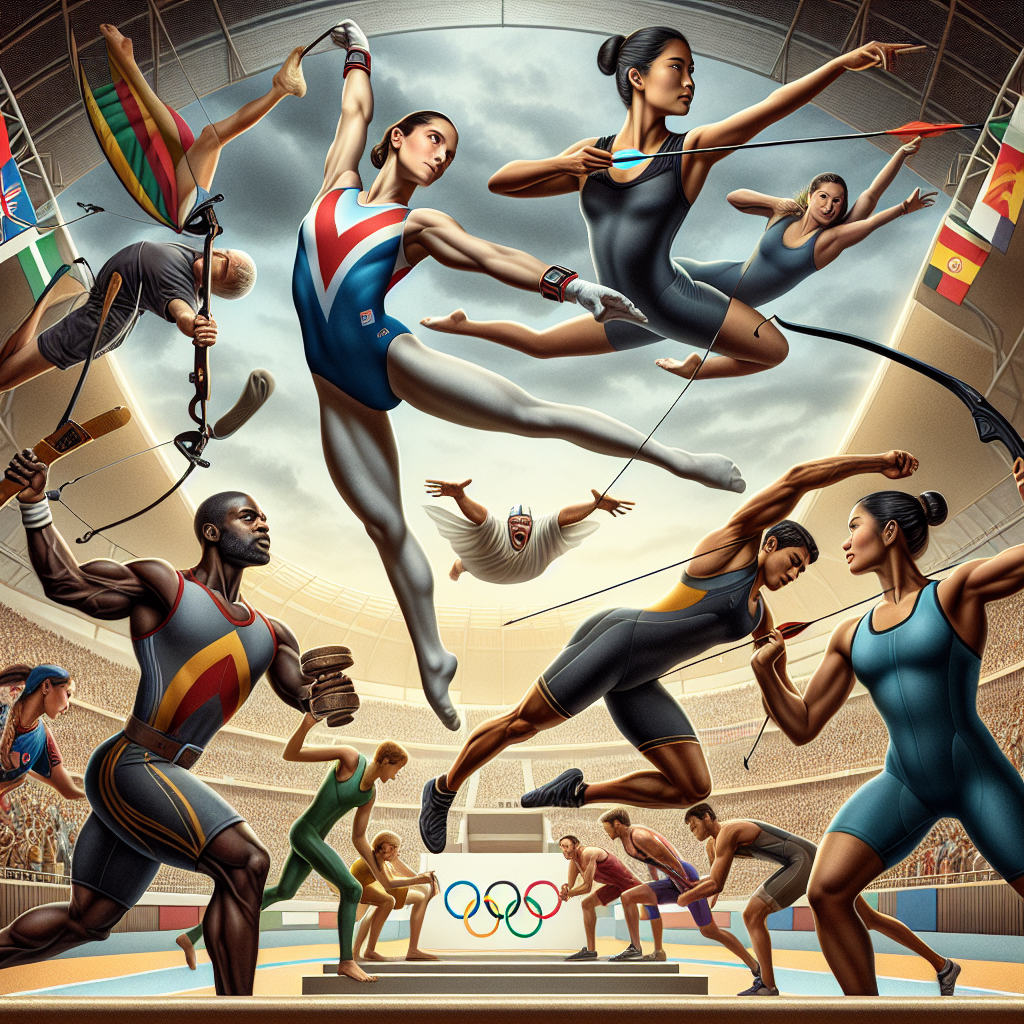
An Overview of Olympic Sports
The Olympic Games, a flagship of global sportsmanship and unity, showcase a wide array of sports that span across continents and cultures. Every edition of the Olympics offers a platform for athletes to demonstrate their prowess in diverse disciplines, capturing the hearts of millions worldwide.
The Historical Context
The Ancient Origins
The origins of Olympic sports trace back to ancient Greece, where the first games were held in Olympia in 776 BC. These games were primarily a series of competitions among representatives of various city-states of Ancient Greece, featuring events such as running, wrestling, and chariot racing.
The Modern Revival
The modern Olympic Games were revived in 1896, led by the efforts of Baron Pierre de Coubertin. This inaugural event in Athens included nine sports, showcasing a blend of individual and team disciplines. Since then, the Olympic program has evolved significantly, reflecting changes in global sporting trends and the inclusion of new sports.
Categories of Olympic Sports
Olympic sports are broadly categorized into three main categories: Summer, Winter, and Paralympic sports. Each category contains a variety of sports, each with its unique history and significance.
Summer Olympic Sports
The Summer Olympics feature a wide range of sports designed to test strength, speed, skill, and endurance. Some of the most popular include:
- Athletics: Known as track and field, this includes events such as running, jumping, and throwing.
- Swimming: A high-profile sport often dominated by multi-medal champions.
- Gymnastics: Artistic and rhythmic gymnastics demonstrate agility, balance, and coordination.
- Cycling: Incorporates road, track, mountain biking, and BMX events.
- Basketball: A team sport that was added to the Olympics in 1936, enjoyed by millions worldwide.
Winter Olympic Sports
The Winter Games focus on sports that are played on snow and ice, with notable events including:
- Skiing: Includes alpine, cross-country, freestyle, and ski jumping.
- Ice Hockey: A highly competitive team sport known for its speed and physicality.
- Figure Skating: Combines athleticism and artistry on ice.
- Bobsleigh: A fast-paced sport involving teams racing down an ice track in a sled.
Paralympics: Celebrating Adaptive Sports
The Paralympic Games are an integral part of the Olympic movement, showcasing the talents of athletes with disabilities. Key sports include:
- Wheelchair Basketball: An exhilarating adaptation of the traditional game.
- Para Swimming: A test of speed and endurance, open to athletes with various impairments.
- Para Athletics: Similar to track and field, with events tailored for athletes with disabilities.
- Sitting Volleyball: Adapted from the traditional sport to be played by athletes in a sitting position.
The Evolution of Olympic Sports
Olympic sports continue to evolve as they adapt to modern preferences and technological advancements. The International Olympic Committee regularly reviews and updates the list of sports, ensuring a blend of tradition and innovation.
Recent Additions and Changes
Recent editions of the Olympics have seen new sports such as skateboarding, surfing, and sport climbing, which appeal to younger audiences and reflect contemporary sporting trends. The flexibility of the Olympic program allows it to stay relevant and exciting.
The Impact of Olympic Sports
Olympic sports play a crucial role in fostering global unity and inspiring generations. They not only celebrate athletic excellence but also promote values such as friendship, fair play, and respect.
Inspiring Stories
The Olympic Games have always been a platform for remarkable achievements. Stories of athletes overcoming adversity, setting records, or uniting nations under the spirit of sportsmanship, continue to inspire millions around the globe.
The Legacy of the Games
Each host country of the Olympic Games invests in infrastructure that often continues to benefit communities long after the competitions conclude. The Olympics generate awareness and interest in sports worldwide, encouraging participation at all levels.