Introduction to Theatre
Theatre, with its rich history and profound cultural significance, is a performing art where actors present a narrative or a series of events live on stage. It is an art form that has thrived across centuries, adapting and evolving with time while still maintaining its core essence — storytelling through performance.
The Historical Origins of Theatre
Ancient Beginnings
The word ‘theatre’ itself derives from the Greek word ‘theatron’, which means ‘a place for viewing’. The origins of theatre date back to ancient civilizations, where rituals and storytelling played a key role in community life. The Greeks are credited with establishing the foundations of Western theatre around 600 BC, with plays that explored themes of tragedy and comedy.
Medieval and Renaissance Theatre
During the Medieval period, theatre existed in the form of religious plays and folk tales. It saw a remarkable transformation during the Renaissance, notably in Europe, with playwrights like William Shakespeare, who pushed the boundaries of narrative and character development.
Types of Theatre
The realm of theatre is diverse, encompassing various styles and genres. Here are some key types:
- Tragedy: Focuses on profound themes such as morality, fate, and the human condition, usually ending in a cathartic manner.
- Comedy: Engages the audience through humor, often exploring societal norms and human folly.
- Musicals: Combines songs, spoken dialogue, acting, and dance to tell a story, known for their elaborate performances.
- Improvisation: Involves creating dialogue and scene-work on the spot, relying heavily on audience interaction and spontaneity.
- Opera: A theatrical form that blends music and drama, performed with a live orchestra.
Elements of a Theatre Production
A successful theatre production relies on several key elements:
Script or Libretto
The script is the backbone of any play, containing the dialogue and action directions. In musicals, this is accompanied by the libretto, which includes the lyrics of the songs.
Direction and Acting
The director shapes the vision of the play, guiding actors in their portrayals. Actors bring characters to life, requiring immense skill in expression, voice modulation, and physical movement.
Stage Design and Costumes
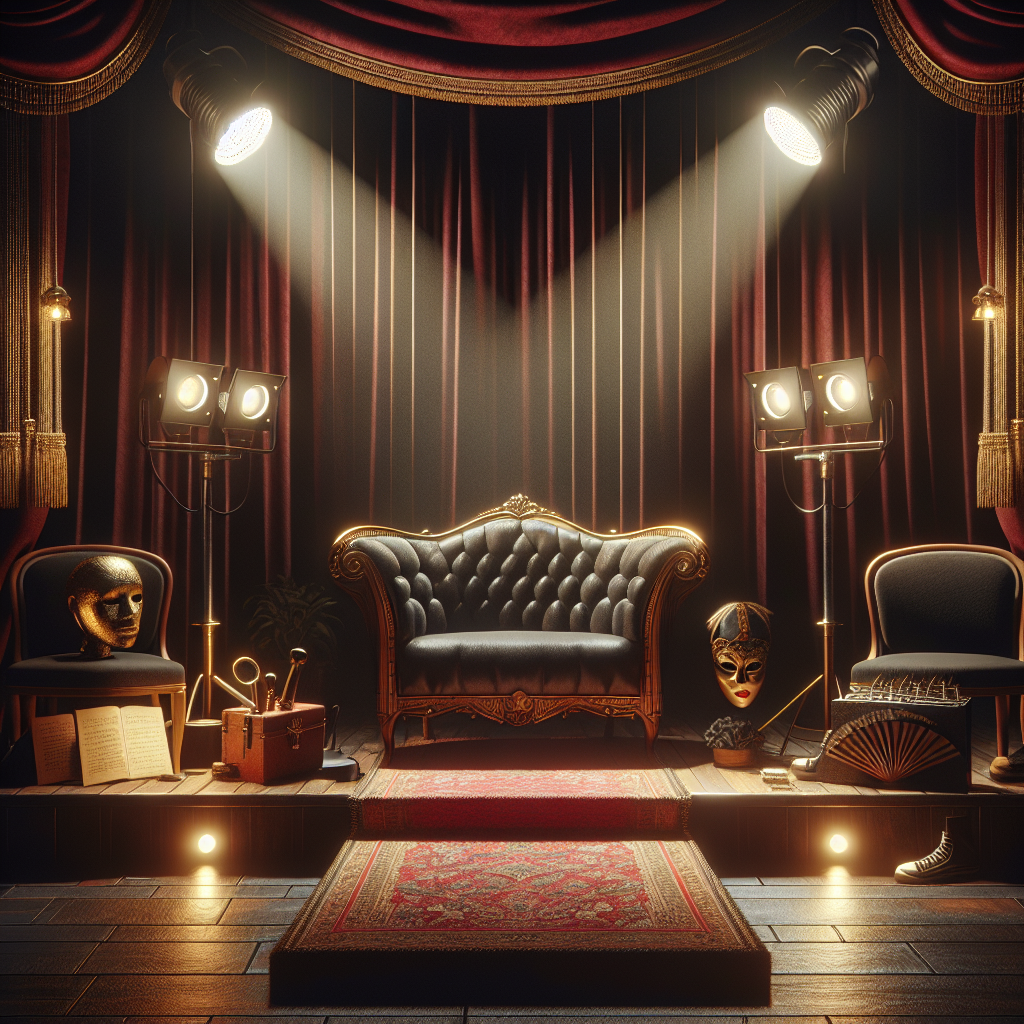
The stage design sets the visual tone of a production, from scenery to lighting. Costumes assist in character differentiation and often reflect the time period and setting of the play.
Theatre’s Cultural Influence
Theatre has always been a mirror to society, offering commentary on social issues, politics, and human nature. It is a powerful medium for education and change, often raising important questions about the world we live in. Many contemporary plays directly engage with current events, providing audiences a space for reflection and discussion.
The Modern Theatre Experience
Today, theatre continues to thrive with innovations in technology and performance techniques. The rise of immersive theatre experiences, where audiences participate in the action, exemplifies theatre’s dynamic nature. Streaming services and digital technologies have also enabled greater accessibility, bringing theatrical productions to global audiences.
Conclusion
Theatre remains a vital aspect of cultural expression, a testament to its enduring power to entertain, educate, and evoke emotional depth. As it navigates the challenges and opportunities of the modern world, theatre continues to reinvent itself while staying true to its timeless mission of storytelling.