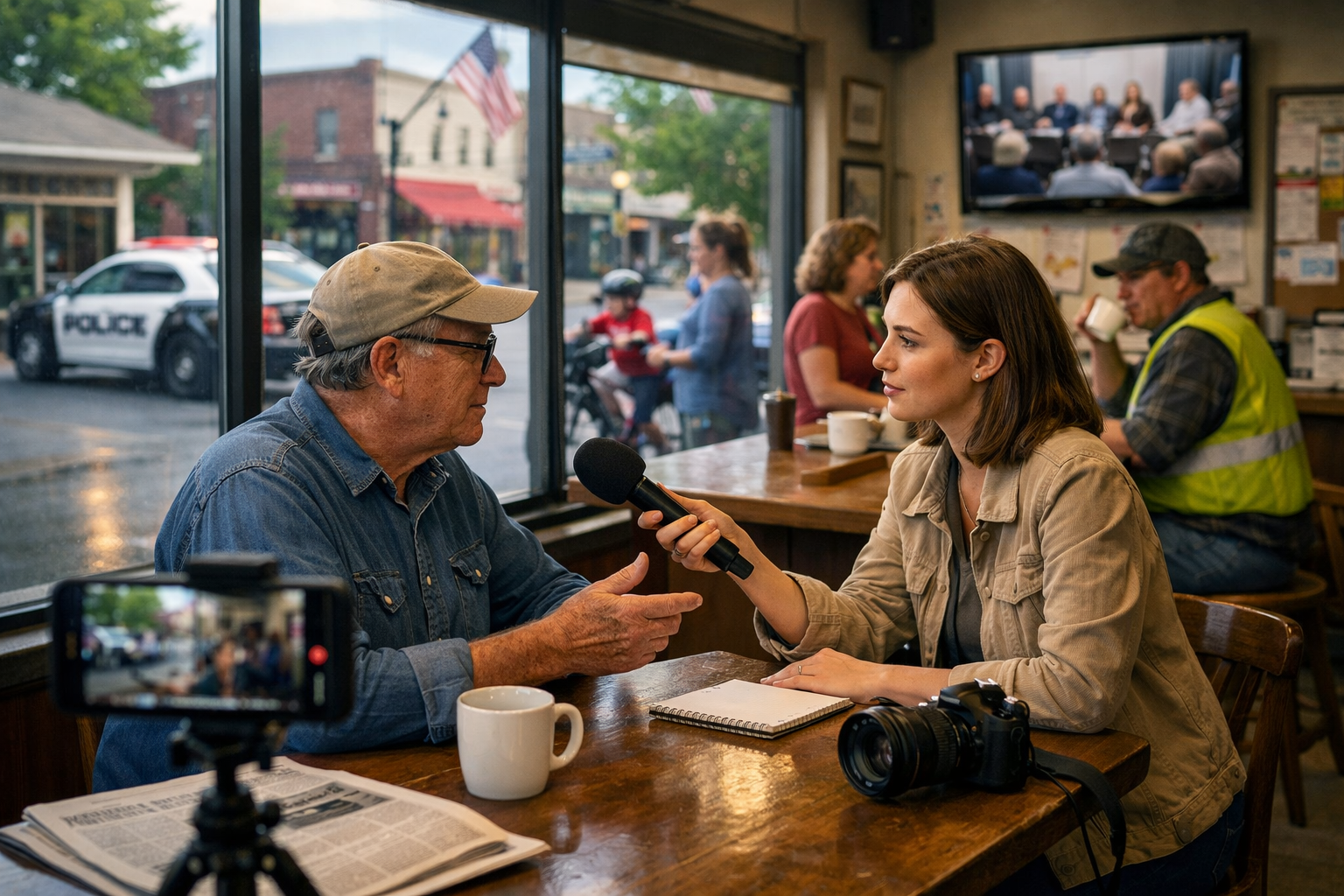
Why Local News Still Matters in a National News Era
National headlines can feel urgent, but the decisions that shape most people’s day-to-day lives are made closer to home: school boards setting curriculum, city councils approving housing developments, public health officials issuing advisories, and local courts handling cases that affect community safety. Local news sits at the intersection of these institutions and the public. It translates meeting agendas, emergency updates, and policy language into information residents can actually use.
Local reporting also documents the character of a place. It covers the small business opening that changes a neighborhood corridor, the library program that supports new immigrants, and the high school team that brings people together on Friday nights. These stories may not trend globally, but they create civic memory and shared context—two ingredients that make communities more resilient during crises.
What Counts as “Local News” Today?
Local news is broader than a daily newspaper or a 6 p.m. broadcast. It includes a mix of outlets and formats that vary by region and population size. A healthy local news ecosystem often blends professional journalism with public information sources, each serving a distinct purpose.
Common Local News Channels
- Local newspapers and digital-first newsrooms: City hall coverage, investigative reporting, enterprise features, and public records work.
- TV and radio stations: Breaking news, weather, traffic, and interviews; often strongest in emergency communication.
- Community and ethnic media: Reporting tailored to language, culture, and neighborhood needs that mainstream outlets may overlook.
- Public access and nonprofit outlets: Meeting coverage, civic explainers, and community-led reporting projects.
- Official sources: City websites, police and fire alerts, school district updates—useful, but not a substitute for independent verification.
Local News as a Public Safety Tool
One of the clearest roles of local news is helping people make immediate decisions: whether roads are closed, where to find shelter during severe weather, how to interpret a boil-water advisory, or which neighborhoods are affected by a power outage. During rapidly evolving events, local reporters often act as information coordinators—aggregating updates from agencies, validating rumors, and providing context on what residents should do next.
Good local coverage doesn’t just amplify alerts; it asks follow-up questions. If a city issues repeated air-quality warnings, what sources are driving the pollution? If emergency response times are increasing, is it staffing, geography, or budget? These questions turn one-time incidents into actionable public understanding.
Holding Power Accountable—Close to Home
Accountability reporting is often most effective locally because it focuses on institutions that directly manage public money and services. A county budget decision can influence property taxes, transit reliability, park maintenance, and public health programs. Local journalists attend meetings that few residents can make during work hours, read the documents that most people won’t have time to parse, and track patterns over months or years.
This “watchdog” role is not only about scandals. It’s also about transparency: explaining why a rezoning proposal matters, how a new police policy changes enforcement, or what data supports a school district’s plan. When local news is strong, it reduces the distance between residents and decision-makers.
The Challenges Facing Local News
Local journalism has been strained by shifting advertising markets, audience fragmentation, and the high costs of sustained reporting. In some places, newsrooms have fewer reporters covering larger regions, which can leave gaps in oversight. These gaps can lead to more rumors, less clarity during emergencies, and lower public participation in civic life.
Key Pressures on Local Reporting
- Reduced staffing: Fewer beat reporters means less time for deep coverage of courts, education, and municipal finance.
- Information overload: Social media accelerates dissemination but can also spread unverified claims.
- Access and trust issues: Some communities feel underserved or misrepresented, which reduces engagement.
- Economic sustainability: Subscription models, philanthropy, and partnerships help, but stability varies widely.
How to Read Local News Critically (Without Getting Cynical)
Being informed doesn’t mean believing every headline or dismissing every outlet. It means building a habit of verification and context. Local issues can be personal—school boundaries, zoning disputes, public safety—so it’s especially important to separate facts from assumptions and to recognize what information is missing.
Practical Habits for Smarter Local News Consumption
- Check sourcing: Does the story cite documents, on-the-record officials, data, or eyewitnesses? Are claims attributed clearly?
- Read beyond the headline: Local headlines can be condensed; details often change the meaning.
- Look for primary materials: Meeting minutes, budget PDFs, court filings, and public dashboards can confirm key points.
- Compare outlets: If multiple sources report the same event differently, note what each emphasizes and what each omits.
- Distinguish news from opinion: Editorials, columns, and sponsored content serve different purposes than reporting.
Local News That Builds Community, Not Just Clicks
Community-centered reporting doesn’t shy away from hard stories, but it also covers solutions, context, and the lived experiences of residents. The most valuable local journalism often includes practical information—how to attend a hearing, where to apply for assistance, how to register for alerts—alongside narratives that help neighbors understand one another.
Local news can also correct myths. For example, a data-driven look at crime trends can challenge exaggerated perceptions, while careful reporting on housing can clarify why rents rise and which policies have real effects. When the public shares a factual baseline, debates become more productive and less reactive.
How Residents Can Support and Strengthen Local News
Local journalism is a shared civic resource. Even small actions can improve its quality and reach. Subscribing or donating helps sustain reporting capacity, but engagement matters too: showing up with tips, requesting coverage, and participating respectfully in public conversations.
Ways to Engage Beyond “Sharing a Link”
- Subscribe, donate, or become a member: Reliable revenue supports consistent coverage.
- Send credible tips: Provide documents, dates, and names; avoid forwarding rumors.
- Attend public meetings: Your presence and notes complement reporting and encourage transparency.
- Support inclusive coverage: Recommend stories and sources from undercovered neighborhoods.
- Practice responsible sharing: Verify before reposting, especially during emergencies.
The Bottom Line: Local News Is the News You Live In
Local news is not a smaller version of national news—it’s a different category with a different purpose. It helps residents navigate daily life, prepares communities for emergencies, and keeps public institutions answerable. In a time when information travels instantly but context often doesn’t, local reporting provides the grounding that turns events into understanding.
When people know what’s happening on their streets, in their schools, and inside their city halls, they’re better equipped to act—not just react. That’s why local news remains one of the most practical and powerful forms of current affairs coverage available.