Traditions and Festivals as Social Glue
Across the world, traditions and festivals act like cultural “infrastructure”: they organize time, mark important transitions, and create shared reference points that help communities cohere. Whether it’s a harvest celebration, a religious holy day, or an annual parade, these events offer a repeating rhythm that makes society feel legible—people know what to expect, when to gather, and how to participate. In a practical sense, that predictability builds trust, strengthens neighborly ties, and reinforces the idea of belonging.
What makes traditions and festivals especially powerful is their ability to combine emotion with meaning. Food, music, clothing, and ritualized actions translate abstract values—gratitude, remembrance, resilience—into experiences that can be felt and shared. Even newcomers can enter the community through participation, learning “how we do things here” not from a textbook but from collective practice.
Why Communities Create Festivals
Festivals often begin as responses to essential realities: seasonal cycles, spiritual beliefs, political events, or economic needs. Over time, their functions multiply. A festival may start as a religious observance but become a civic symbol. A local fair might begin as a marketplace and grow into a regional identity marker.
Common reasons festivals take root include:
- Marking time: New years, solstices, planting and harvest seasons, and anniversaries offer a calendar of meaning.
- Managing change: Rites of passage—births, coming-of-age, marriage, mourning—help societies process life transitions.
- Creating solidarity: Shared celebration builds “we-ness,” especially after hardship or conflict.
- Expressing values: Rituals teach what a community honors, fears, or hopes for.
- Economic and civic coordination: Events mobilize volunteers, fundraise for institutions, and support local crafts and tourism.
Tradition Isn’t Frozen: How Festivals Evolve
A common misconception is that tradition is static. In reality, traditions are maintained through repetition, but they survive through adaptation. Small adjustments—new routes for processions, updated lyrics, modern materials for costumes—help practices remain relevant when demographics, technology, or social norms change.
Many festivals evolve in three recurring ways:
- Expansion of participation: What was once family- or clan-based may broaden to include neighbors, migrants, or visitors.
- Shifts in meaning: A ritual originally tied to a specific belief may become a wider symbol of heritage or civic pride.
- Hybridization: Cultural exchange introduces new foods, instruments, and aesthetics, creating blended traditions that reflect contemporary life.
These changes can be controversial. Some community members fear “loss of authenticity,” while others argue that living cultures must breathe. The healthiest outcomes often come from transparent dialogue: identifying which elements are essential (core symbols, sacred sequences, ethical rules) and which are flexible (scheduling, marketing, stage design).
The Building Blocks of a Festival
Despite enormous variety, most festivals share a set of social components that make them recognizable and meaningful.
Ritual and Symbol
Rituals compress complex stories into repeated actions—lighting a lamp, sharing a communal meal, offering flowers, carrying icons, or performing a dance. Symbols function like cultural shorthand: colors, animals, patterns, and sounds signal the festival’s purpose and the community’s worldview.
Performance and Participation
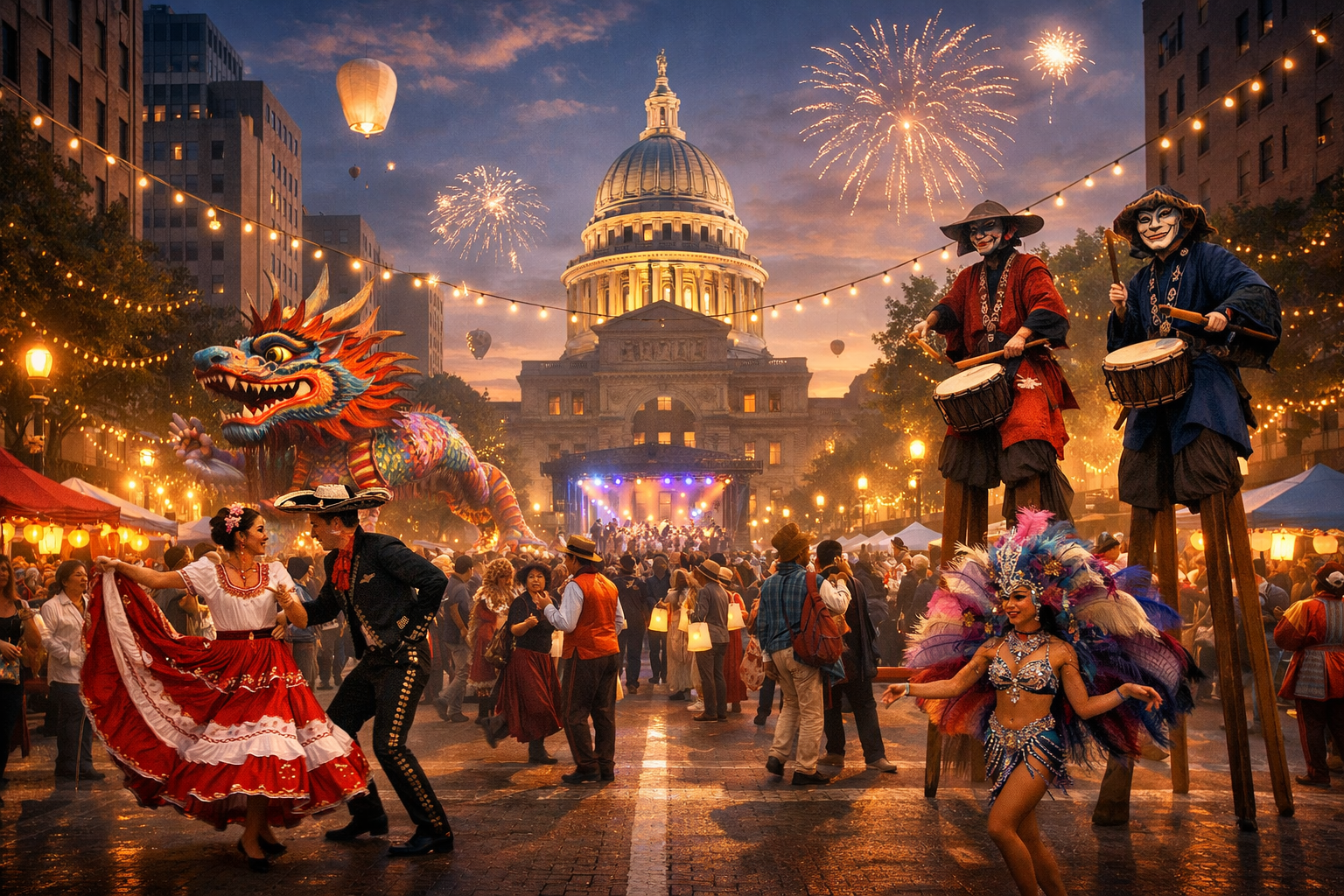
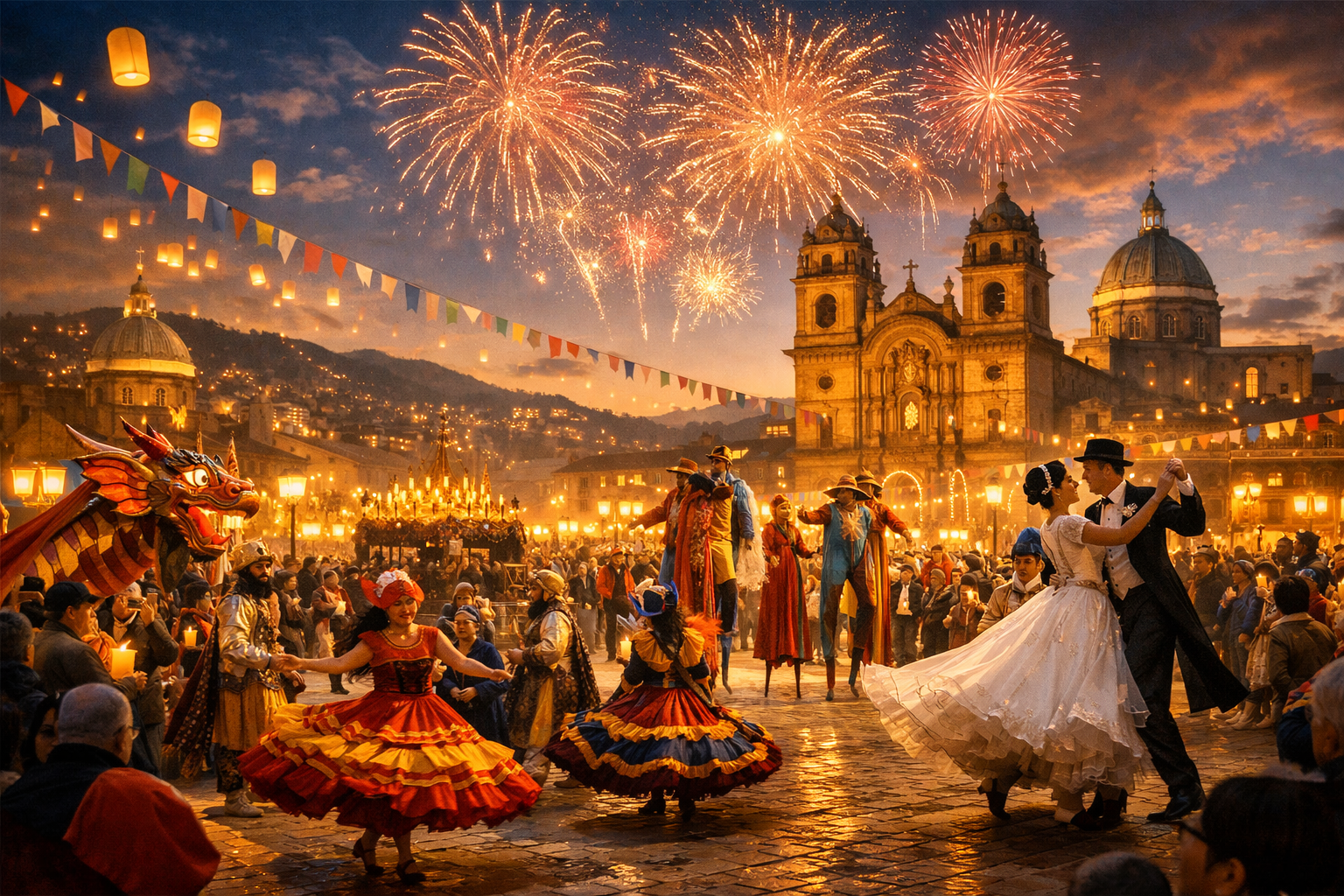
Festivals transform ordinary spaces into stages. Streets become corridors for parades; temples, plazas, and parks become theaters. Crucially, participation isn’t limited to performers—spectators also “perform” by dressing up, singing along, contributing food, or following etiquette. This shared enactment is what turns a public event into a communal experience.
Foodways and Material Culture
Special dishes, textiles, and crafts anchor memory through the senses. Recipes are often intergenerational archives, preserving regional ingredients and techniques. Likewise, clothing and decorative arts transmit identity—sometimes subtly, through patterns and stitching that signal community affiliation.
Storytelling and Memory
Many festivals retell foundational stories—myths of origin, historic victories, migrations, miracles, or moral lessons. Repetition does more than entertain; it teaches. Over time, the festival becomes a living archive, renewing collective memory even in societies where formal historical literacy varies.
Culture, Power, and Representation
Festivals are not politically neutral. They can unify, but they can also exclude. Decisions about whose traditions are funded, whose language appears on posters, who gets prime performance slots, and which narratives are highlighted reflect power dynamics. When a festival is presented as “national culture,” minority communities may feel pressured to assimilate or may see their own practices labeled as “folk” or “secondary.”
Thoughtful festival planning can counter these patterns by:
- Sharing governance: Including representatives from multiple community groups in planning committees.
- Protecting cultural ownership: Giving tradition-bearers control over sacred elements and permissions for photography or recording.
- Balancing visibility: Ensuring smaller communities are not overshadowed by the most marketable performances.
Tourism, Commercialization, and the Authenticity Debate
Tourism can bring resources that help sustain festivals—funding, restoration of heritage sites, and income for artisans. But commercialization can also flatten meaning. When schedules are optimized for visitor convenience, rituals may be shortened, relocated, or staged in ways that shift the audience from participant-community to consumer-spectator.
Authenticity is not simply “old equals real.” A more useful question is: Who benefits, and who decides? If local communities retain decision-making power, earn fair income, and keep sacred practices protected, tourism can coexist with cultural integrity. If not, festivals risk becoming cultural products detached from the people who created them.
Festivals in the Digital Age
Social media and livestreaming have changed how festivals are shared and remembered. Online visibility can help diasporas reconnect, encourage language learning, and document endangered practices. At the same time, constant filming can disrupt ritual focus, and viral images can reduce complex traditions to aesthetic fragments.
Many communities now establish guidelines—designated photo zones, restricted moments, or community-controlled archives—to balance access with respect. Digital tools can also support education, offering contextual materials so that viewers understand symbolism rather than consuming it as spectacle.
How Communities Keep Traditions Meaningful
Sustaining traditions isn’t only about preserving a script; it’s about preserving relationships—between elders and youth, between neighbors, between people and place. Successful continuity often involves deliberate transmission and practical care.
- Intergenerational apprenticeship: Teaching songs, dances, recipes, and craftwork through hands-on mentorship.
- Accessible participation: Removing barriers so that cost, disability, or work schedules don’t exclude community members.
- Contextual education: Explaining origins and meanings in schools, community centers, and festival programs.
- Ethical adaptation: Updating elements that cause harm while safeguarding core identity and symbolism.
- Environmental responsibility: Reducing waste and protecting local ecosystems when large crowds gather.
Conclusion: Celebrations That Carry a Society Forward
Traditions and festivals are not decorative extras; they are engines of social life. They teach values without lectures, preserve history without museums, and build community without formal membership cards. When cared for thoughtfully—through inclusive planning, ethical adaptation, and respect for cultural ownership—festivals can remain both rooted and responsive. In a world of rapid change, they offer something rare: a shared moment where people remember who they are, together.