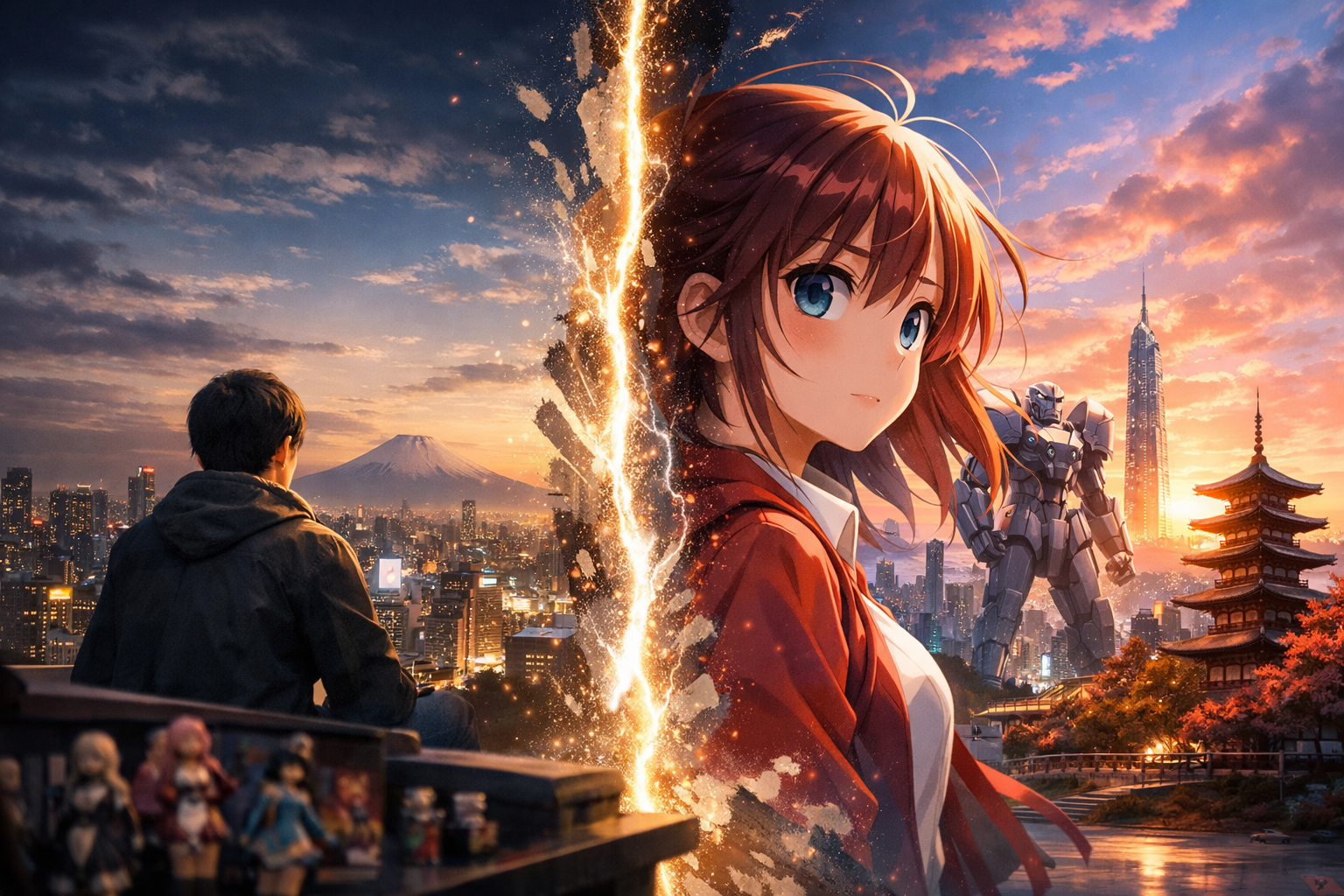
The Global Rise of Anime
Anime has become one of the most influential forms of entertainment in the world. Once considered a niche category outside Japan, it now reaches mainstream audiences through streaming platforms, theatrical releases, gaming crossovers, and social media communities. From long-running action epics to intimate slice-of-life dramas, anime offers a range of stories and artistic approaches that few entertainment formats can match.
Its growth is tied to accessibility. In earlier decades, fans often relied on imported DVDs, television broadcasts, or fan communities to discover new series. Today, major platforms release anime to global audiences almost simultaneously, making it easier than ever for viewers to follow seasonal premieres and classic titles alike. This immediate availability has helped anime move from subculture to international entertainment staple.
What Makes Anime Unique?
Anime stands apart because it is not defined by a single genre or age demographic. Instead, it is a storytelling medium capable of delivering action, romance, science fiction, fantasy, horror, mystery, comedy, and philosophical drama. This variety allows anime to reach children, teenagers, and adults with equal impact.
Another defining trait is its visual identity. Anime often uses expressive character designs, cinematic framing, exaggerated emotion, and symbolic imagery to heighten storytelling. A quiet pause can feel as important as a major battle, and a character’s internal conflict may be illustrated through color, weather, or surreal dreamlike sequences. These techniques make anime visually memorable while giving creators room to communicate complex emotions.
Key qualities that define anime’s appeal
- Genre diversity: Viewers can find everything from sports competition stories to futuristic thrillers.
- Emotional range: Anime can shift from humor to heartbreak with striking effectiveness.
- Distinct artistry: Character design, soundtrack, and animation style often become central to the experience.
- Long-form storytelling: Many series develop characters over dozens of episodes, creating strong audience attachment.
- Cultural richness: Themes, traditions, and settings rooted in Japanese life add authenticity and curiosity.
The Power of Storytelling in Anime
One reason anime resonates so deeply is its willingness to take viewers seriously. Even shows aimed at younger audiences often explore ambition, loneliness, sacrifice, grief, identity, and moral responsibility. Rather than relying solely on spectacle, many anime series build tension through character growth and emotional consequence.
Heroes in anime are often flawed, uncertain, or burdened by personal history. Villains may be written with understandable motivations rather than simple evil intent. This layered approach encourages viewers to think about justice, empathy, and change. In many cases, the most memorable moments are not the action scenes but the turning points in relationships, self-discovery, or personal resolve.
Anime also thrives in world-building. Whether the setting is a supernatural academy, a historical battlefield, a post-apocalyptic city, or a peaceful rural town, creators often develop detailed environments that feel alive. The rules of the world matter, and the audience is invited to invest in them. This immersive quality gives anime strong rewatch value and fuels active fan discussion.
Popular Genres and Their Lasting Appeal
Action and Adventure
Action anime often introduce determined protagonists, escalating rivalries, and visually dynamic battles. These series attract viewers through momentum, but their lasting success usually comes from themes of perseverance, friendship, and self-improvement.
Fantasy and Science Fiction
Fantasy and science fiction anime allow creators to push imagination to its limits. Magic systems, advanced technology, alternate worlds, and ethical dilemmas create compelling settings where personal and societal conflicts unfold on a grand scale.
Romance and Slice of Life
Not all anime depends on spectacle. Romance and slice-of-life stories focus on everyday emotion, subtle personal change, and relatable human experiences. These genres are especially effective at creating comfort, nostalgia, and emotional intimacy.
Psychological and Mystery
For viewers who enjoy suspense and layered storytelling, psychological and mystery anime offer intricate plots, unreliable perspectives, and moral ambiguity. These series often reward close attention and spark long conversations after the credits roll.
Anime as a Cultural Bridge
Anime plays an important role in introducing global audiences to elements of Japanese culture. Viewers may encounter seasonal festivals, school traditions, food customs, spiritual references, and language expressions through entertainment first. While anime does not represent all of Japan, it often inspires curiosity that leads audiences to explore history, literature, music, and travel.
At the same time, anime’s popularity has created a two-way cultural exchange. International fans contribute fan art, criticism, cosplay, convention culture, and online communities that shape how anime is discussed and celebrated worldwide. This shared enthusiasm has helped transform anime into a global conversation rather than a one-country product.
The Industry Behind the Art
Behind anime’s creative brilliance is a demanding production environment. Studios, directors, animators, writers, voice actors, composers, and editors all contribute to the final product. A successful anime often reflects not just artistic vision but extraordinary coordination across teams.
However, the industry also faces challenges, including tight production schedules, labor concerns, and increasing pressure to deliver constant content for global demand. As anime grows commercially, conversations about fair working conditions and sustainable production have become more important. Fans are becoming more aware that supporting the medium also means valuing the people who create it.
Why Anime Continues to Matter
Anime matters because it proves animation can be expansive, mature, experimental, and deeply human. It offers entertainment that is visually inventive while also emotionally intelligent. For some viewers, anime is a source of excitement and escapism. For others, it is a form of art that helps them process real emotions, explore new perspectives, and connect with a global community.
As the entertainment landscape becomes increasingly crowded, anime continues to stand out by refusing to be limited. It can be loud or quiet, fantastical or realistic, comforting or unsettling. That flexibility is its greatest strength. Anime does not simply entertain; at its best, it leaves a lasting impression long after the final scene.