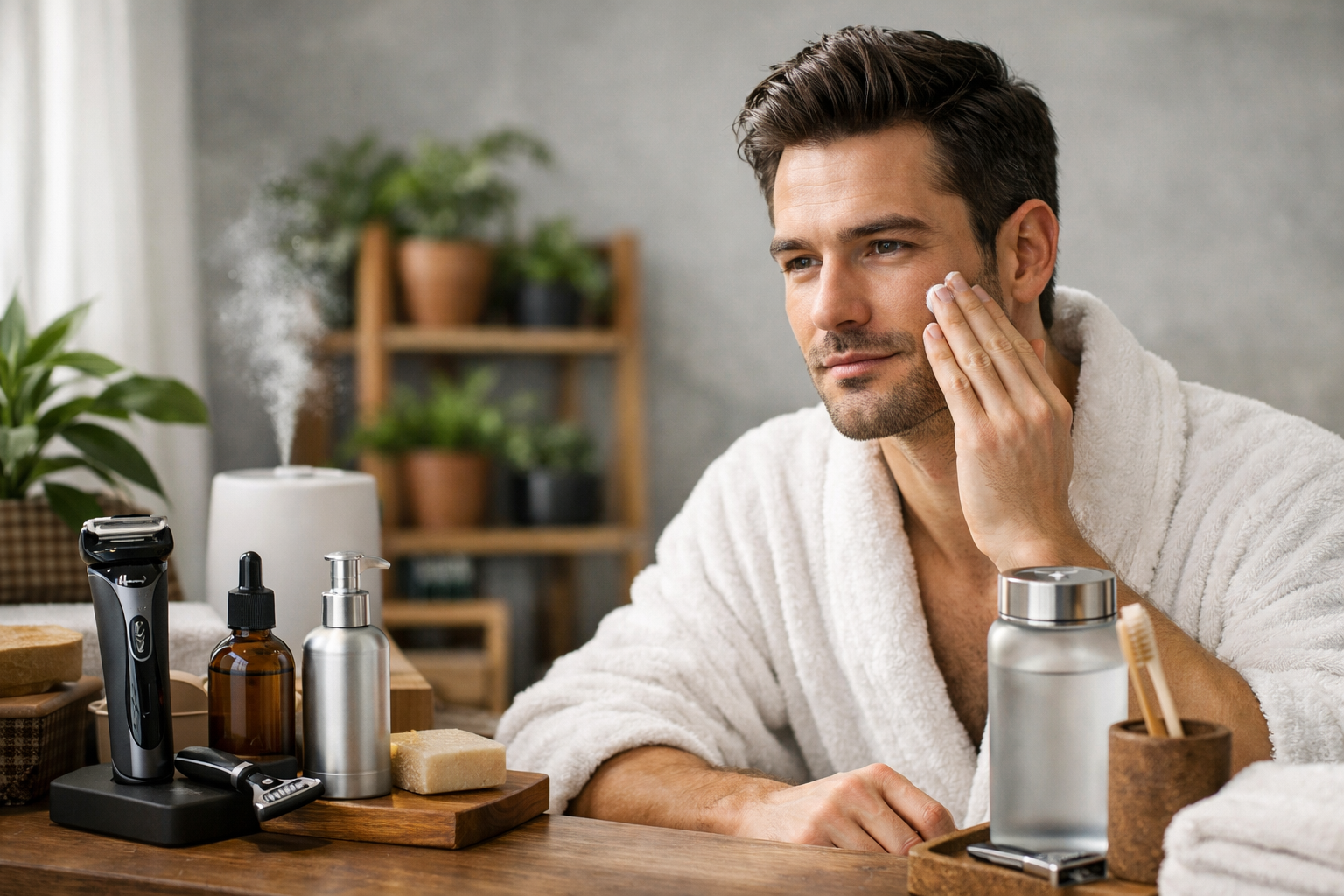
Why Grooming Matters in Everyday Life
Grooming is often discussed as a matter of style, but its impact reaches much further. A reliable grooming routine supports personal hygiene, improves comfort, and helps create a polished first impression in both social and professional settings. It is not about chasing perfection or copying trends. Instead, good grooming is about understanding your body, respecting your skin and hair, and choosing habits that make you feel healthy and put together.
In modern lifestyle culture, grooming has become more inclusive and practical. People are moving away from one-size-fits-all beauty standards and embracing routines based on skin type, hair texture, climate, schedule, and personal preference. This shift makes grooming easier to approach because the goal is no longer to do everything—it is to do what works well for you.
The Foundation of an Effective Grooming Routine
The most effective grooming routines are simple enough to maintain. Complicated systems often fail because they are hard to follow consistently. A strong foundation usually includes cleansing, moisturizing, oral care, hair maintenance, and attention to nails and body hygiene. These basics can be adjusted depending on your age, activity level, and environment.
Skin Care Starts with Consistency
Healthy-looking skin does not require a shelf full of products. In most cases, a gentle cleanser, a moisturizer, and sunscreen during the day are enough to create visible improvements. Cleansing removes sweat, oil, and environmental buildup. Moisturizing supports the skin barrier and helps prevent dryness or irritation. Sunscreen is essential because sun exposure contributes to premature aging, dark spots, and long-term skin damage.
For those with specific concerns such as acne, sensitivity, or uneven texture, targeted products can be helpful. However, introducing too many active ingredients at once may cause irritation. A better approach is to start with the basics and add treatments slowly if needed.
Hair Care Should Match Your Hair Type
Hair grooming works best when it respects natural texture and scalp condition. Fine hair, curly hair, oily hair, and color-treated hair all have different needs. Shampooing too often may dry out some hair types, while washing too infrequently may lead to scalp buildup for others. The right balance depends on how your hair behaves, not on a fixed rule.
Regular trims help maintain shape and reduce split ends, while conditioners and leave-in products can protect against damage from heat styling or weather. If you use styling tools frequently, heat protection should be part of your routine. Healthy hair is not only about shine—it is also about strength, manageability, and scalp health.
Facial Hair and Shaving Habits
Whether you prefer a clean shave, light stubble, or a full beard, maintenance matters. Shaving with a clean blade and proper preparation can reduce irritation, razor bumps, and ingrown hairs. Warm water, a quality shaving cream or gel, and a soothing post-shave moisturizer make a noticeable difference.
For beard care, regular trimming, washing, and conditioning help keep facial hair neat and comfortable. Beard oil or balm can soften coarse hair and reduce dryness underneath. Groomed facial hair should look intentional, not neglected.
Daily Grooming Habits That Make a Big Difference
Many of the most important grooming practices take only a few minutes a day. These habits do not attract much attention individually, but together they shape how fresh, healthy, and organized you appear.
-
Brush and floss consistently to maintain oral hygiene and fresh breath.
-
Keep nails clean and trimmed for a neat, hygienic appearance.
-
Use deodorant or antiperspirant suited to your activity level and skin sensitivity.
-
Shower according to your lifestyle, especially after exercise or long commutes.
-
Wear clean clothes and pay attention to fabric care, odors, and wrinkles.
-
Stay hydrated, since skin, hair, and overall appearance often reflect internal health.
These small actions strengthen the effect of your broader grooming routine. They also reduce the need for last-minute fixes before work, events, or social outings.
Grooming and Personal Style
Grooming and style are closely connected, but they are not the same thing. Style is how you present your taste through clothing, accessories, and visual identity. Grooming is what supports that presentation. Even a simple wardrobe looks sharper when paired with clean shoes, tidy hair, clear skin, and well-maintained hands.
Your grooming choices can also reflect your personality. Some people prefer a minimalist, low-maintenance look. Others enjoy a more refined or fashion-forward appearance. Neither approach is better than the other. The key is coherence. When your grooming routine aligns with your lifestyle and personal image, you appear more confident and authentic.
Choosing Quality Over Quantity
One of the biggest mistakes in grooming is assuming that more products automatically lead to better results. In reality, quality, suitability, and consistency matter far more than quantity. A handful of dependable products chosen for your skin, hair, and routine can outperform an overflowing cabinet of impulse purchases.
It is also worth paying attention to ingredients, fragrance levels, and packaging. If your skin is sensitive, heavily scented products may be irritating. If sustainability matters to you, you may prefer refillable packaging, recyclable materials, or brands that prioritize ethical sourcing. Grooming today is increasingly tied to conscious consumption, and that can be a positive development for both personal health and the environment.
Seasonal Adjustments and Lifestyle Factors
Grooming needs change with the seasons and with life circumstances. In colder months, skin and lips may require richer moisturizers. In hot or humid weather, lighter products and more frequent cleansing may feel more comfortable. Travel, exercise, stress, and sleep patterns can also affect your skin, scalp, and overall appearance.
That is why flexibility is important. A good routine should evolve when necessary. If your schedule becomes demanding, simplify your steps rather than abandoning them entirely. If your skin changes, reassess your products instead of forcing the same routine to work year-round.
The Confidence Factor
One of the greatest benefits of good grooming is confidence. Looking cared for often translates into feeling more prepared and self-assured. This confidence can influence how you carry yourself in meetings, interviews, dates, and everyday interactions. Grooming should not be a source of pressure; it should be a tool that helps you feel comfortable in your own skin.
At its best, grooming is a form of respect—toward yourself and toward the spaces you move through. It signals attentiveness, discipline, and self-awareness without needing to say a word. When approached with balance and intention, grooming becomes less about image alone and more about building habits that support well-being, comfort, and lasting personal presence.