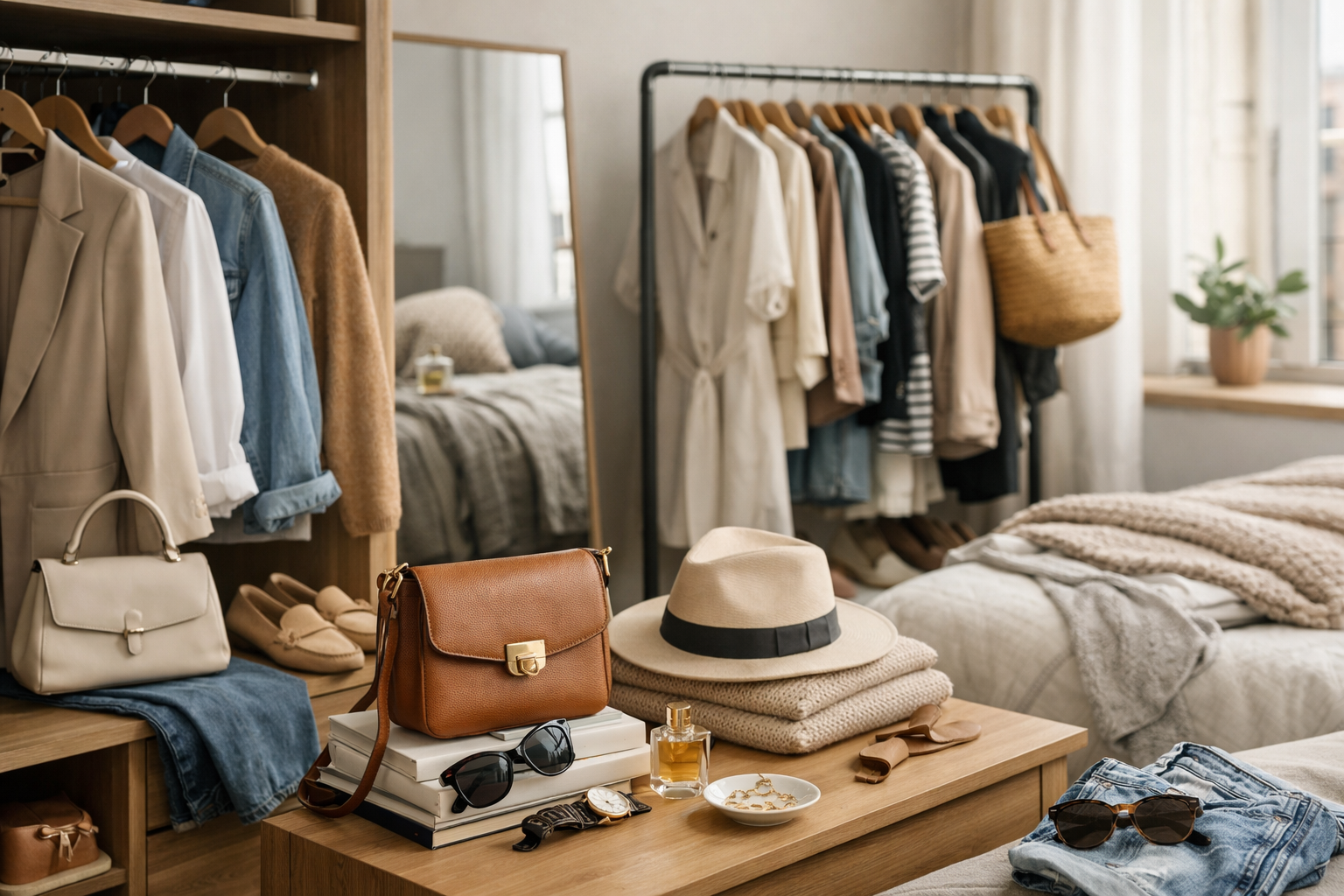
Fashion as a Lifestyle, Not Just a Look
Fashion is often described through runways, trends, and celebrity influence, but in everyday life, style is much more personal. It is the quiet language of first impressions, self-respect, and routine. The way people dress can influence mood, productivity, and confidence, making fashion a meaningful part of modern lifestyle rather than a superficial extra.
Style becomes most powerful when it reflects how a person actually lives. A wardrobe built around real needs—work, travel, social events, climate, movement, and comfort—creates ease in daily decision-making. Instead of chasing every passing trend, many people are now choosing clothing that supports their habits, values, and personality. This shift has turned fashion into a form of intentional living.
Building a Wardrobe That Works
A functional wardrobe starts with understanding daily routines. Someone working in a creative field may prioritize expressive silhouettes and layered pieces, while another with an active schedule may focus on versatile staples that move easily from morning to evening. The goal is not to own more clothing, but to own the right clothing.
The Foundation of Personal Style
Personal style usually grows from a reliable base. These essentials often include well-fitted jeans or trousers, neutral tops, outerwear suited to the season, quality footwear, and a few elevated pieces for special occasions. When foundational items are chosen carefully, getting dressed becomes simpler and more consistent.
- Choose fabrics that fit your climate and lifestyle.
- Prioritize fit over brand names or trend appeal.
- Invest in staple pieces you can wear in multiple ways.
- Keep a balanced mix of casual, polished, and statement items.
- Edit your closet regularly to remove what no longer serves you.
This approach supports both style and practicality. A closet filled with pieces that coordinate well reduces stress and increases outfit possibilities without requiring constant shopping.
The Role of Confidence in Style
One of the most overlooked elements of fashion is the emotional effect of clothing. What a person wears can influence posture, energy, and even social behavior. When clothes feel aligned with identity, people often appear more at ease and self-assured. Confidence does not come from dressing expensively; it comes from wearing items that feel right.
This is why style should not be defined by strict rules. Trends can inspire experimentation, but they should never override comfort or authenticity. A confident wardrobe allows room for individuality, whether that means minimalist tailoring, bold color, vintage influences, streetwear details, or classic elegance. Fashion becomes more compelling when it expresses a real point of view.
Trends, Timelessness, and Balance
Trends are an exciting part of the fashion world because they introduce freshness and creativity. However, relying on trends alone can make a wardrobe feel temporary and disconnected. The most stylish dressers often balance current influences with timeless pieces, creating a look that feels updated without becoming disposable.
For example, a classic blazer can be styled with trend-driven accessories, modern sneakers can refresh traditional separates, and seasonal colors can add energy to familiar basics. This balance helps people enjoy fashion playfully while maintaining a consistent personal image. It also supports smarter spending, since timeless pieces remain useful long after a trend fades.
How to Use Trends Wisely
- Adopt only trends that suit your existing wardrobe.
- Try trend-led items in accessories before investing in full outfits.
- Look for updated versions of classic silhouettes.
- Avoid buying pieces that feel exciting but difficult to wear.
Sustainability and Smarter Style Choices
In recent years, lifestyle and fashion have become more closely connected through sustainability. Consumers are paying greater attention to how clothing is made, how long it lasts, and what happens after it is no longer worn. This has encouraged a shift away from impulse buying and toward mindful consumption.
Sustainable style does not require a perfect wardrobe or expensive ethical labels. It can begin with simple habits: buying less, choosing better quality, repairing garments, shopping secondhand, and supporting brands with transparent practices. These choices not only reduce waste but also encourage a more thoughtful relationship with clothing.
A sustainable wardrobe often feels more personal because it is built gradually and intentionally. Instead of being driven by fast fashion cycles, it reflects long-term taste and genuine need. In this way, sustainability enhances style rather than limiting it.
Accessories, Grooming, and the Finishing Touches
Fashion and style extend beyond clothing alone. Accessories, grooming, and presentation play a major role in creating a complete look. A simple outfit can feel polished with the right shoes, belt, bag, watch, jewelry, or scarf. Likewise, neat grooming and garment care can elevate even the most understated wardrobe.
These finishing touches are often what make style feel intentional. Clean lines, pressed fabrics, maintained shoes, and thoughtful color coordination all communicate care and awareness. The strongest style statements are not always dramatic; often, they are subtle signs of consistency and attention to detail.
Creating a Style That Evolves With You
Style is not static. It changes with age, work, priorities, confidence, and life experience. What feels right in one phase of life may no longer fit another, and that is a natural part of personal growth. Rather than clinging to old habits or copying others, it is more useful to treat style as something that evolves alongside lifestyle.
Taking time to reassess your wardrobe can reveal what truly supports your daily life. Which pieces make you feel capable? Which outfits are repeatedly chosen? Which purchases were mistakes? These questions help clarify your preferences and guide better choices in the future.
Ultimately, fashion and style are most meaningful when they serve the person wearing them. A well-chosen wardrobe does more than create a polished appearance—it supports comfort, expression, confidence, and ease. In that sense, style is not simply about what you wear. It is about how you live, how you present yourself to the world, and how intentionally you shape your everyday experience.