Introduction
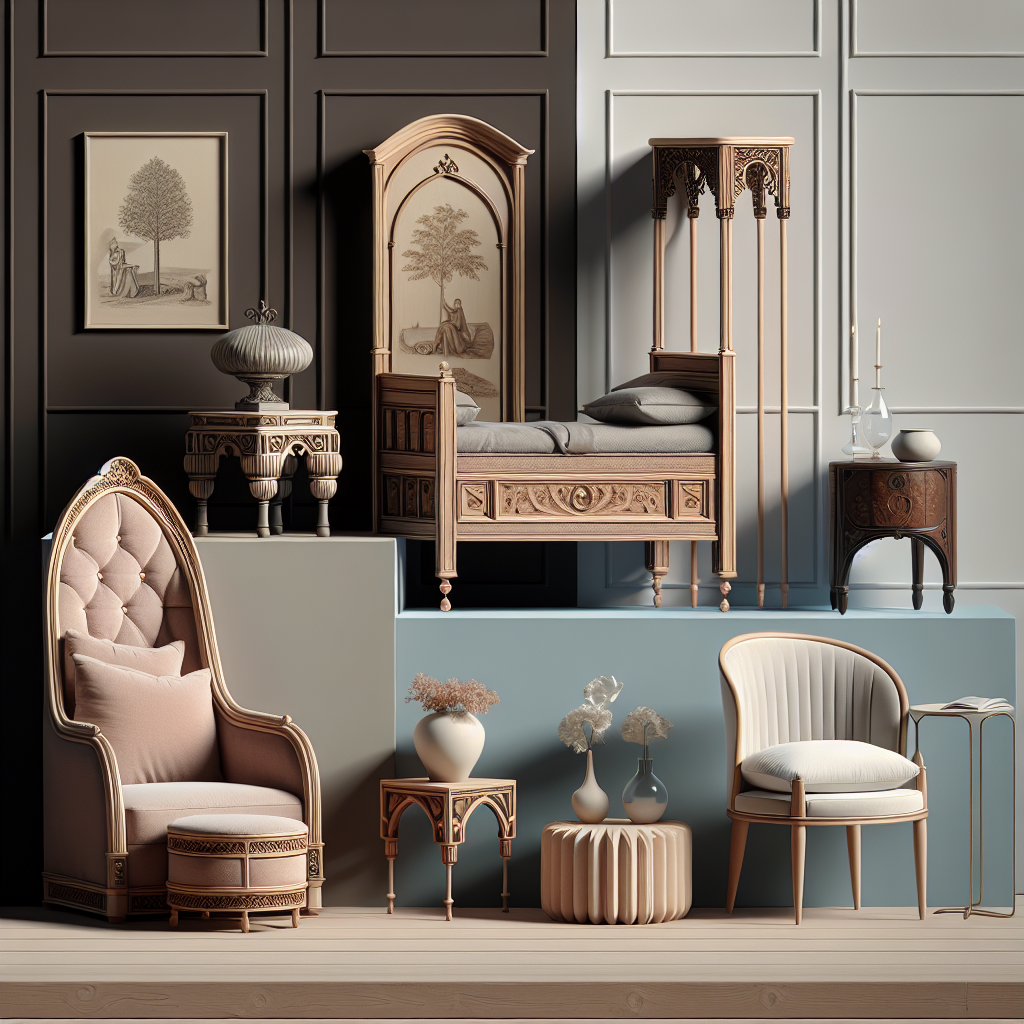
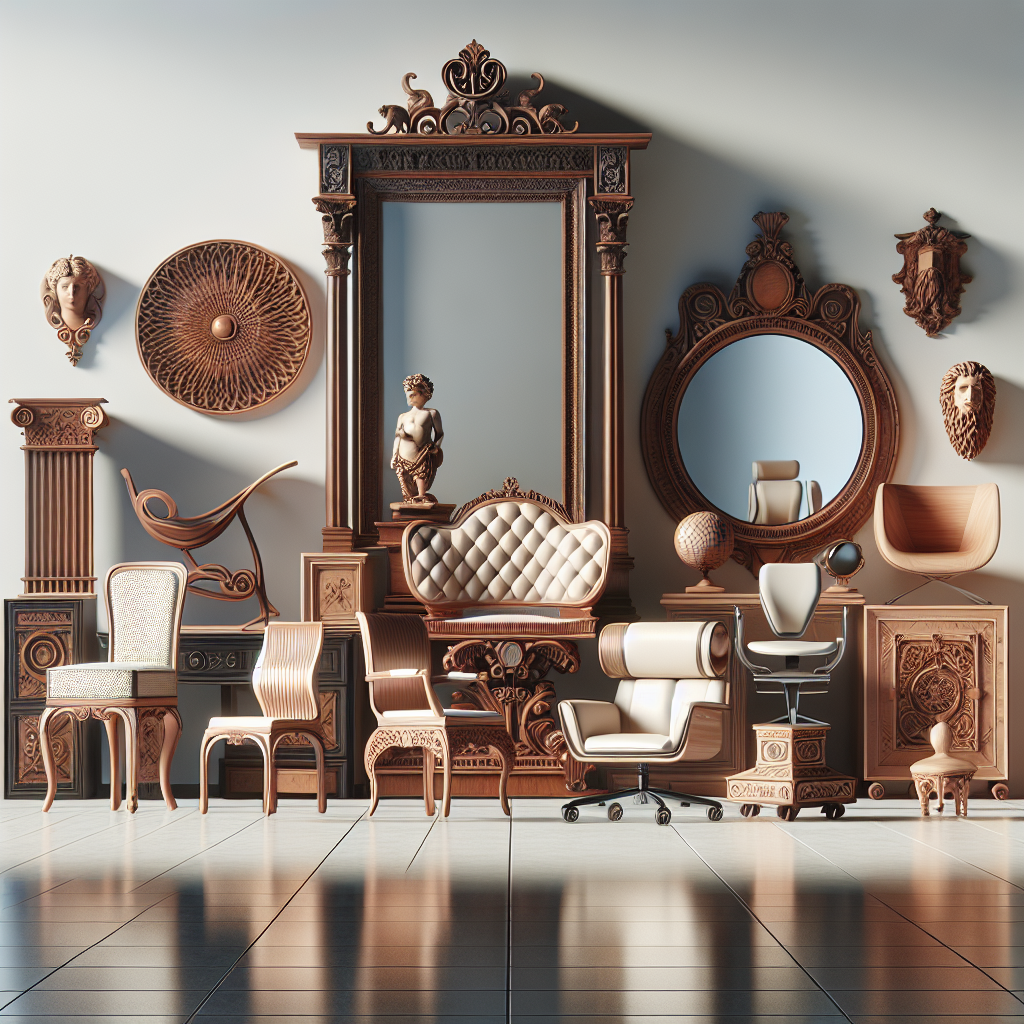
Furniture has been an integral part of human civilization, serving both functional and aesthetic purposes. From ancient times to modern interiors, furniture pieces not only fulfill utility needs but also reflect cultural trends, artistic movements, and technological advancements. In this article, we delve into the world of furniture, exploring its history, types, design elements, and its evolving role in modern society.
Historical Perspective
Early Human Furniture
Archaeological findings suggest that early humans used simple, functional furniture pieces made from stone, wood, and bone. These early forms were rudimentary but facilitated daily activities such as sitting, eating, and sleeping.
Antiquity
In ancient Egypt, Greece, and Rome, furniture started reflecting social status and wealth. Luxurious materials like ivory, gold, and ebony were used to craft intricate items such as thrones, beds, and chests. The designs were ornate, with carvings and inlays that indicated the owner’s prestige.
Middle Ages and Renaissance
During the Middle Ages, furniture was heavily influenced by Gothic design, characterized by heavy, sturdy constructions and detailed carvings. The Renaissance period brought about a revival of classical designs with elegant forms, symmetry, and proportion in furniture making.
Types of Furniture
Today, furniture serves diverse functions and can be categorized based on usage, material, and style. Here are the primary types:
- Seating Furniture: Includes chairs, sofas, benches, and stools designed for comfort and ergonomic support.
- Tables: Available in various forms such as dining tables, coffee tables, and desks, each serving specific functions.
- Shelving and Storage: Cabinets, bookshelves, and wardrobes help organize spaces and store personal items.
- Sleeping Furniture: Beds and mattresses are designed to provide relaxation and support during rest.
- Outdoor Furniture: Designed to withstand climate variations while providing comfort and style outside.
Materials and Design
Wood
Wood has been a favorite material for furniture throughout history due to its versatility, availability, and aesthetic appeal. Various types of wood like oak, cherry, mahogany, and pine are utilized, each bringing unique traits to furniture design.
Metal
Metal furniture, popularized during the Industrial Revolution, offers durability and a modern look. Common metals used include iron, steel, and aluminum, often combined with other materials to enhance visual interest.
Fabric and Upholstery
Upholstered furniture pieces use fabrics like leather, cotton, and synthetics to provide comfort and style. Advances in textile technology have broadened the range of textures and patterns available.
Trends in Modern Furniture
Minimalism
Minimalistic design, characterized by simplicity and functionality, emphasizes open spaces, clean lines, and neutral colors. It’s a reflection of modern living where less is more, promoting a clutter-free environment.
Eco-friendly Design
With growing environmental awareness, sustainable furniture production has gained emphasis. Using reclaimed wood, recycled materials, and non-toxic finishes exemplifies this trend.
Technological Integration
Modern furniture often incorporates technology to improve user experience. Examples include smart beds with sleep tracking and motorized recliners with built-in chargers and speakers.
Conclusion
Furniture continues to evolve, influenced by cultural shifts, technological advancements, and sustainability concerns. As our living spaces change, so will the furniture we choose, reflecting both personal tastes and broader societal trends. Whether it’s preserving tradition or embracing innovation, furniture remains a crucial element in our daily lives, shaping the way we interact with our spaces and each other.