Introduction to Furniture
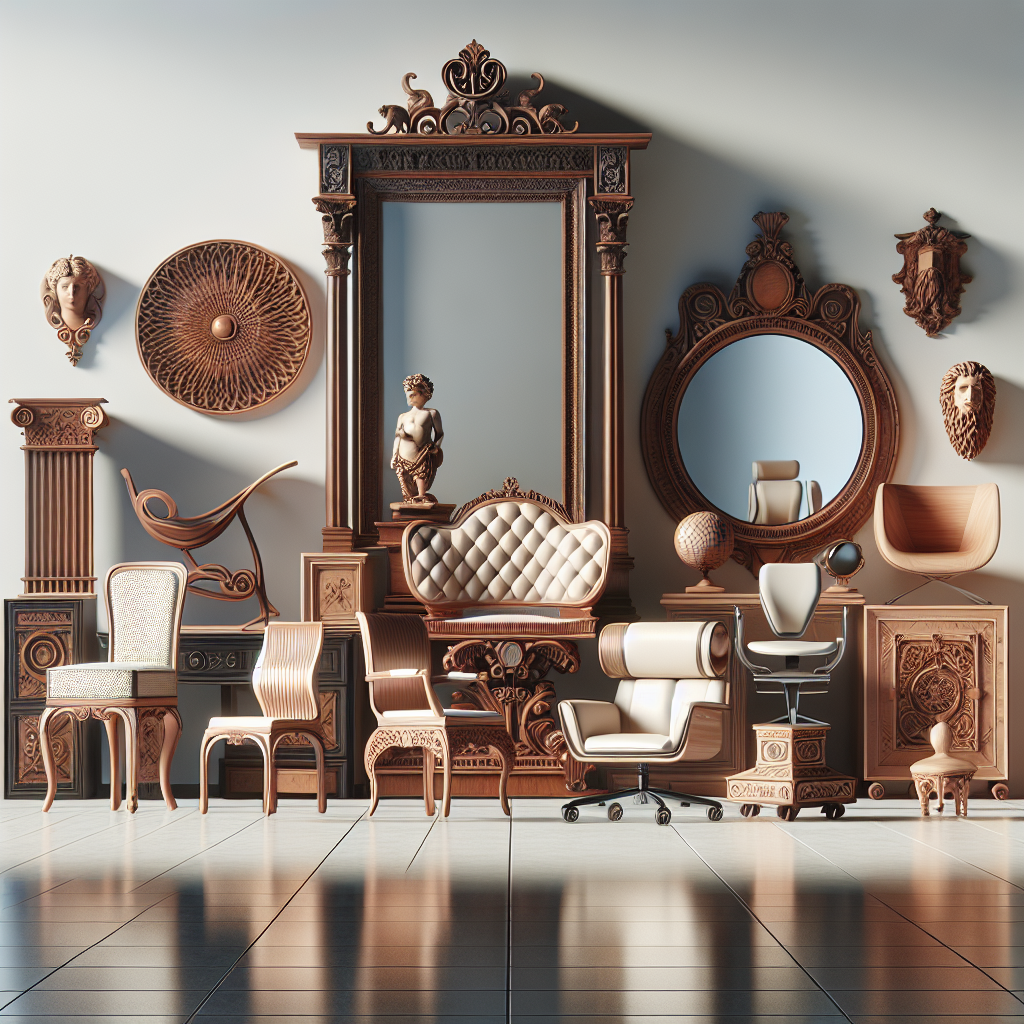
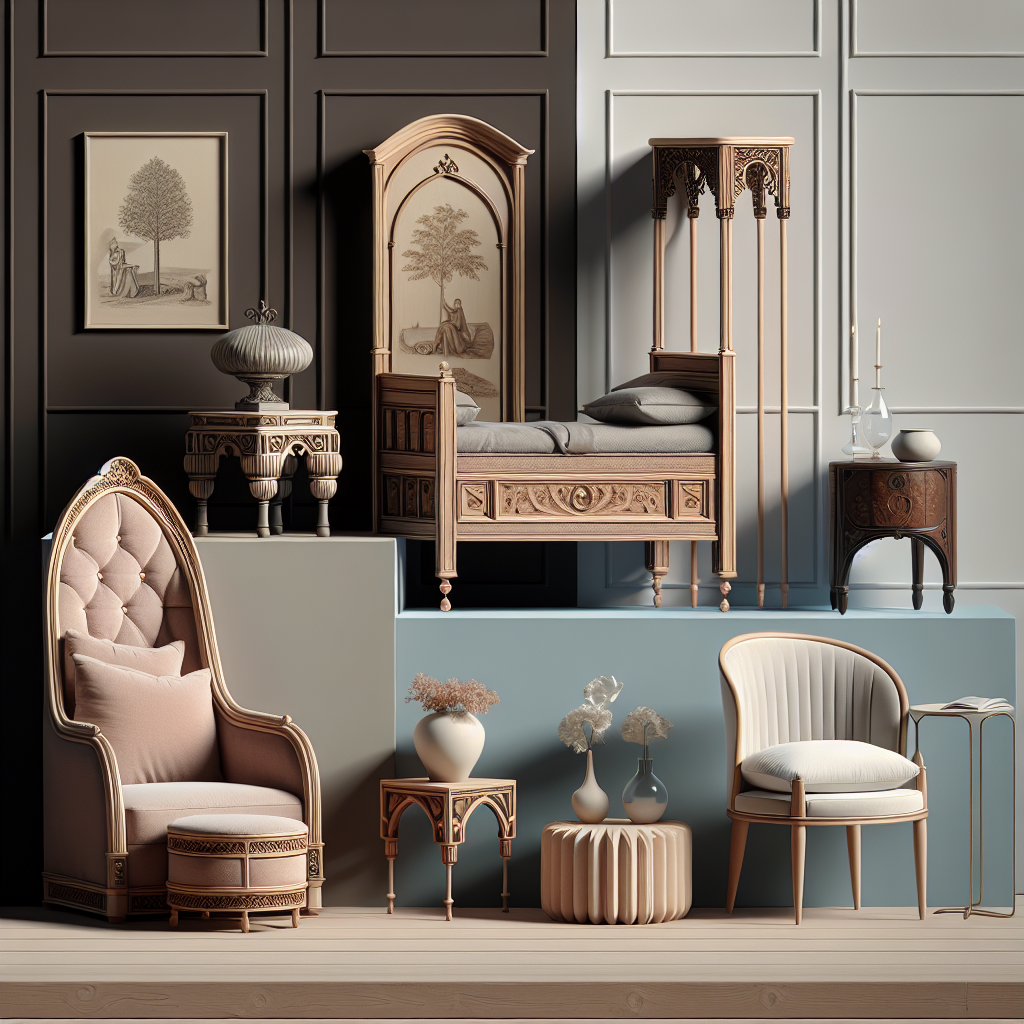
Furniture is an integral part of human living spaces, serving not only functional purposes but also aesthetic and cultural ones. From the simplest of stools to the most elaborate armoires, furniture reflects the evolution of technology, materials, and cultural trends over time. This article delves deep into the diverse world of furniture, examining its history, the factors influencing its designs, and the latest trends shaping its future.
The Evolution of Furniture
Ancient Beginnings
Furniture dates back to ancient civilizations where it appeared in its most rudimentary forms. Archaeological findings reveal the existence of simple, utilitarian pieces, constructed using stone, wood, and metals in places like Egypt and Mesopotamia. These early pieces laid the foundation for furniture as we know it today.
The Middle Ages and the Renaissance
During the Middle Ages, furniture began to take on more ornamental characteristics, influenced by the feudal and ecclesiastical settings of the time. By the Renaissance, furniture design saw a flourishing of styles, with artisans crafting pieces that combined functionality with artistry.
The Industrial Revolution
The Industrial Revolution marked a turning point in furniture production. The advent of machinery enabled mass production, making furniture more accessible to the general public. This era saw the rise of various styles, including Victorian and Art Nouveau, each reflecting the zeitgeist of its time.
Factors Influencing Furniture Design
Materials and Technology
The choice of materials and the technological advances significantly impact furniture design. Traditional materials like wood and metal continue to dominate, but innovation has led to the use of composites, plastics, and eco-friendly options. Technology, especially in the digital age, influences not only the design process but also customization and functionality.
Cultural Influences
Cultural preferences and societal norms have always played a role in defining furniture styles. Different regions have their unique traditional designs, whether it be the minimalist lines of Scandinavian furniture or the intricate carvings of Asian styles.
Modern Furniture Trends
Minimalism
Minimalism remains a popular trend, emphasizing simplicity and the reduction of form without sacrificing function. Furniture designs in this style focus on clean lines, uncluttered spaces, and a neutral color palette.
Eco-Friendly Designs
As awareness about climate change grows, there is an increasing demand for sustainable furniture. Manufacturers are prioritizing eco-friendly materials and production methods, often highlighting the use of reclaimed wood, recycled metals, and natural fibers.
Smart Furniture
The integration of technology into furniture design is rapidly expanding. Smart furniture provides enhanced functionality, often including features like wireless charging, app control, and adaptability to different uses. This trend reflects the growing intersection of digital technology and everyday living.
Conclusion
Furniture remains one of the most significant aspects of our homes and workspaces, marrying practicality with personal expression. Understanding its history, the influences on its design, and current trends can help us appreciate not only its role in our daily lives but also its potential for shaping future living environments. As society and technology continue to advance, so will the exciting innovations in the world of furniture.