Introduction to Communication
Communication is a fundamental aspect of human interaction, serving as both an art and a science in bridging gaps and building connections among individuals and groups. Whether verbal, non-verbal, written, or visual, communication facilitates the exchange of information, ideas, and emotions. In our increasingly interconnected world, effective communication has become indispensable in fostering understanding, collaboration, and innovation.
The Evolution of Communication
Early Forms of Communication
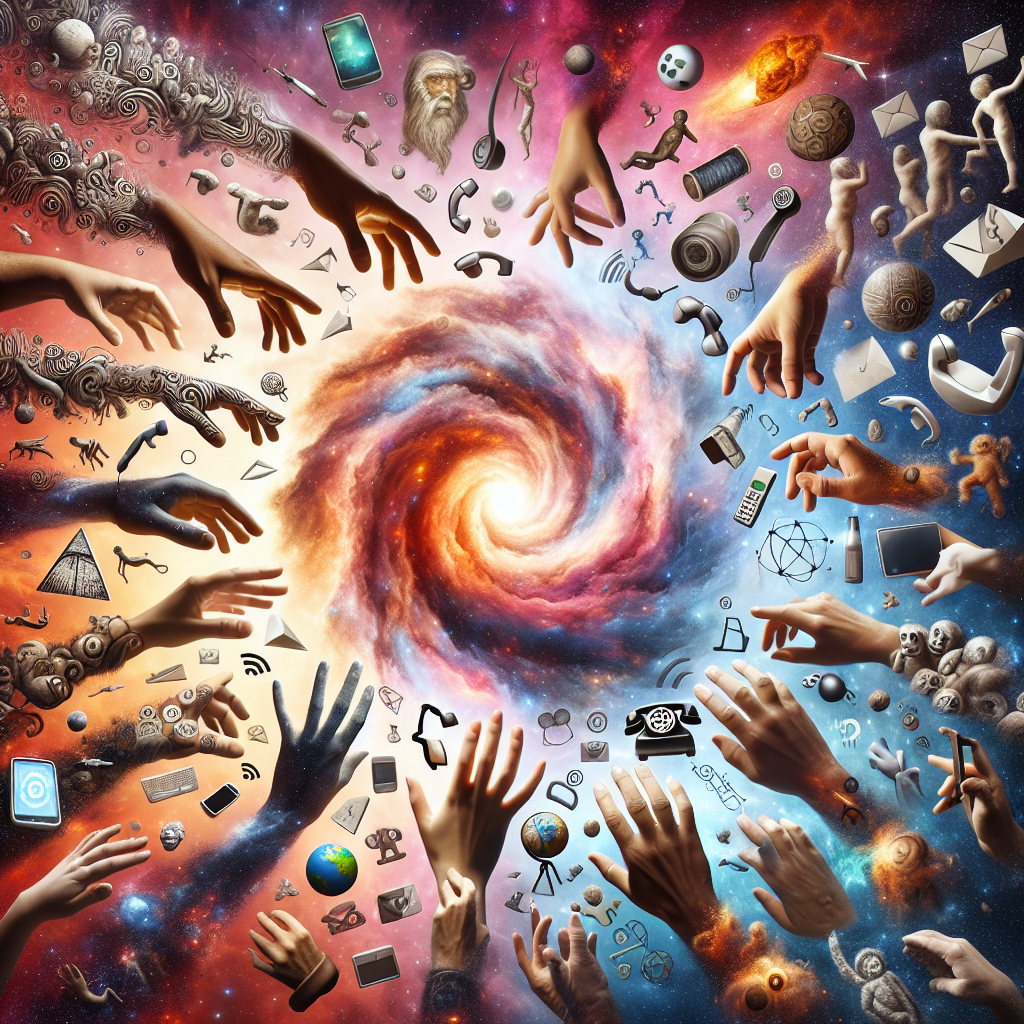
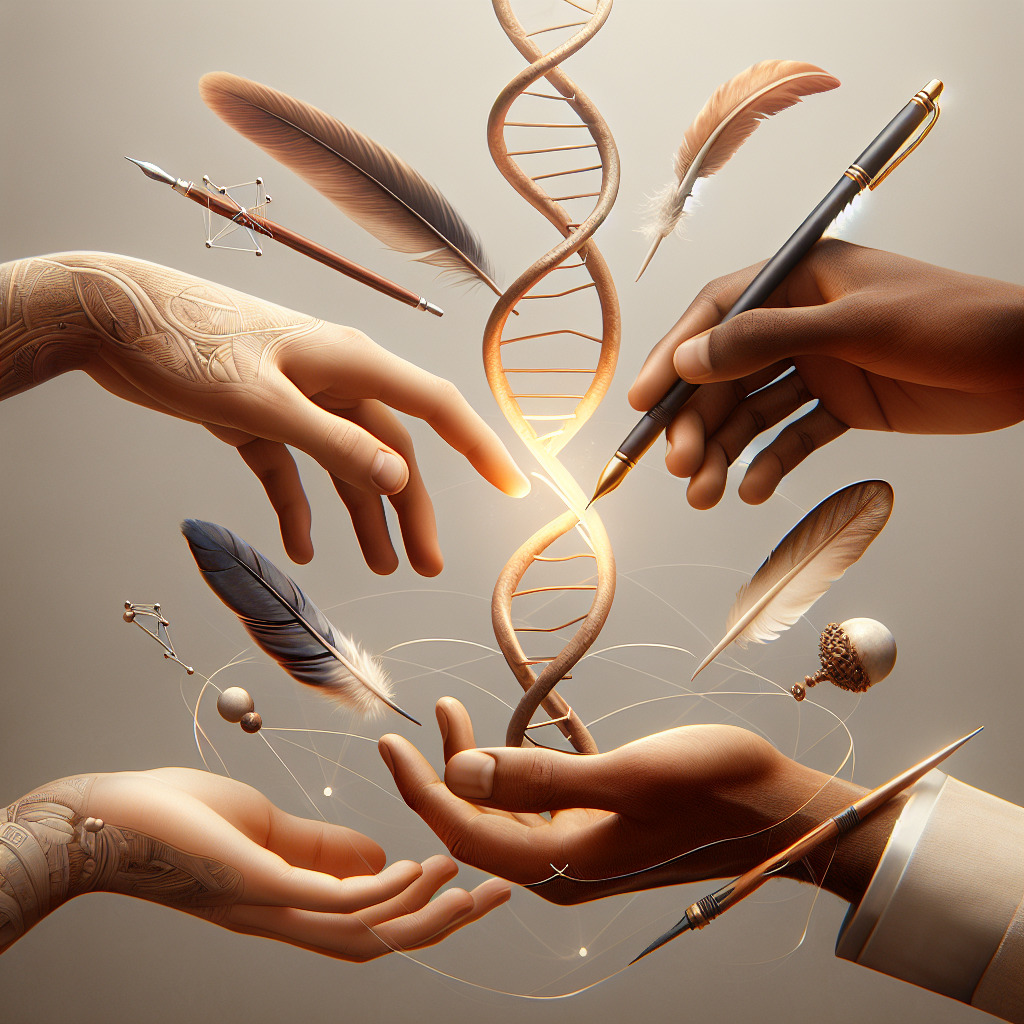
Human communication dates back to prehistoric times when early humans used gestures, sounds, and symbols to convey meaning. The development of language was a pivotal moment in human evolution, enabling more complex and abstract thought processes. As societies grew, so did the need for more sophisticated communication methods, leading to the creation of written language.
The Impact of Technology
The invention of the printing press revolutionized communication by making written materials more accessible. The 20th and 21st centuries ushered in a new era with the advent of electronic communication technologies. Telephones, radio, television, and the internet have all transformed how we share information and interact with each other.
Components of Effective Communication
The Sender and Receiver
In any communication process, there are key participants: the sender, who encodes and transmits the message, and the receiver, who decodes and interprets it. Effective communication requires a shared understanding between these parties.
Messages and Channels
- Verbal Communication: This includes spoken or written words used to convey messages. Clarity, tone, and choice of words are crucial in conveying the intended meaning.
- Non-verbal Communication: Body language, facial expressions, and gestures complement verbal communication and can enhance or alter the message.
- Medium and Channel: The medium, such as face-to-face, telephone, email, or social media, affects how messages are delivered and received. Choosing the appropriate channel is essential for effective communication.
Feedback and Noise
Feedback is the receiver’s response to the sender’s message, facilitating mutual understanding and allowing for adjustments. Noise refers to any interference that distorts or hinders communication, such as background sounds, misunderstandings, and technological glitches.
Barriers to Effective Communication
Cultural and Language Differences
Cross-cultural communication often involves navigating different languages, customs, and social norms, which can lead to misunderstandings if not approached respectfully and sensitively.
Emotional and Psychological Barriers
Emotions such as anger, fear, and prejudice can impede communication by creating bias and clouding judgment. Recognizing and managing these emotions is crucial for constructive dialogue.
Strategies for Improving Communication
Active Listening
Active listening involves fully concentrating, understanding, and responding to a speaker. It requires patience, an open mind, and the ability to provide feedback that confirms understanding.
Empathy and Open-mindedness
Empathy involves putting oneself in another’s shoes to better understand their perspective. Being open-minded reduces biases and encourages a more inclusive environment for communication.
Clarity and Conciseness
Clear and concise messaging avoids ambiguity and fosters better understanding. Being specific and direct helps convey messages effectively, reducing the chances of misinterpretation.
The Future of Communication
As technology continues to advance, new forms of communication will emerge, offering fresh opportunities and challenges. Virtual reality, artificial intelligence, and improved connectivity will redefine how we interact and communicate on a global scale. Remaining adaptable and embracing continuous learning will be essential to navigating these changes and harnessing the potential of innovative communication tools.
Conclusion
Communication is a dynamic and evolving facet of human life that necessitates attention and mastery. By understanding its components, overcoming barriers, and adopting effective strategies, individuals and organizations can enhance their ability to connect, collaborate, and innovate in our complex world.