Understanding First Aid
First aid is the immediate assistance given to any person suffering from either a minor or serious illness or injury, with care provided to preserve life, prevent the condition from worsening, or to promote recovery. While professional medical help is crucial during emergencies, first aid can play a critical role in stabilizing a person until experts arrive.
The Importance of First Aid Knowledge
Having a basic understanding of first aid can make a significant difference in emergency situations. It empowers individuals to manage accidents and understanding simple procedures can often save lives or reduce the severity of the injuries.
Basic First Aid Steps
Assessing the Situation
Before administering first aid, it's essential to quickly but carefully assess the situation. Ensure that it is safe to approach the person needing help. Identify any immediate dangers and observe the individual’s condition.
- Check for responsiveness: Gently tap the person and ask if they are okay to determine consciousness.
- Call for Help: Always prioritize calling emergency services if it is clear that professional help is required.
Primary Survey and CPR
The primary survey is a technique used to quickly identify critical injuries or conditions. Use the ACBD approach—Airway, Breathing, Circulation, and Disability.
- Airway: Ensure the person's airway is clear. Tilt the head and lift the chin to open the airway if necessary.
- Breathing: Check if the person is breathing. Listen for breath sounds or see if the chest is rising.
- Circulation: Look for signs of circulation such as coughing or movement. Start CPR if circulation signs are absent.
- Disability: Evaluate the level of consciousness.
Performing CPR
Cardiopulmonary resuscitation (CPR) is vital in cases of cardiac arrest. Follow these steps:
- Kneel beside the person.
- Place the heel of one hand on the center of the chest, and the other hand on top, interlocking your fingers.
- Keep elbows straight and shoulders directly above hands, use body weight to administer compressions.
- Push hard and fast at a rate of 100-120 compressions per minute.
- For rescue breaths, carefully tilt the head and lift the chin, pinch the nose shut, and give two breaths, watching the chest to rise.
Managing Bleeding
Controlling bleeding quickly is critical. Wear gloves if available and:
- Apply direct pressure with a clean cloth or bandage.
- Elevate the wound above the heart level if possible.
- Maintain pressure until bleeding stops completely.
Handling Specific Emergencies
Choking
If a person is choking and unable to breathe:
- Encourage them to cough if they can still make sounds.
- If they cannot cough, perform the Heimlich Maneuver: Stand behind the person, wrap your arms around their waist, make a fist with one hand and place it slightly above the navel, grasp the fist with the other hand, and quickly thrust inward and upward.
Burns
For burn treatment:
- Cool the burn under running water for at least 10 minutes.
- Cover the burn with a sterile dressing.
- Do not apply creams or ointments without medical advice.
Fractures
If you suspect a fracture:
- Do not move the affected area unless absolutely necessary.
- Stabilize the limb using a splint or improvisation like a rolled-up magazine.
- Seek professional medical attention immediately.
First Aid Kits
Contents of a Basic First Aid Kit
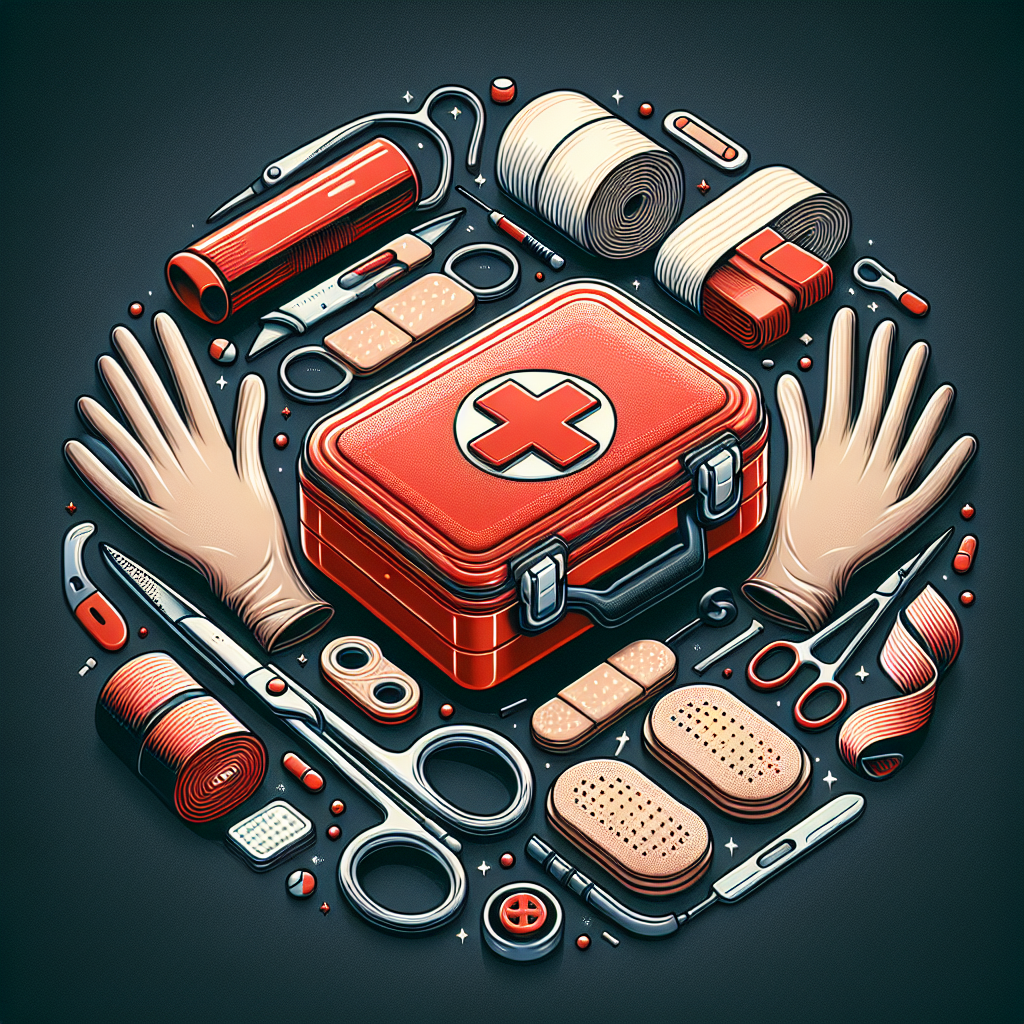
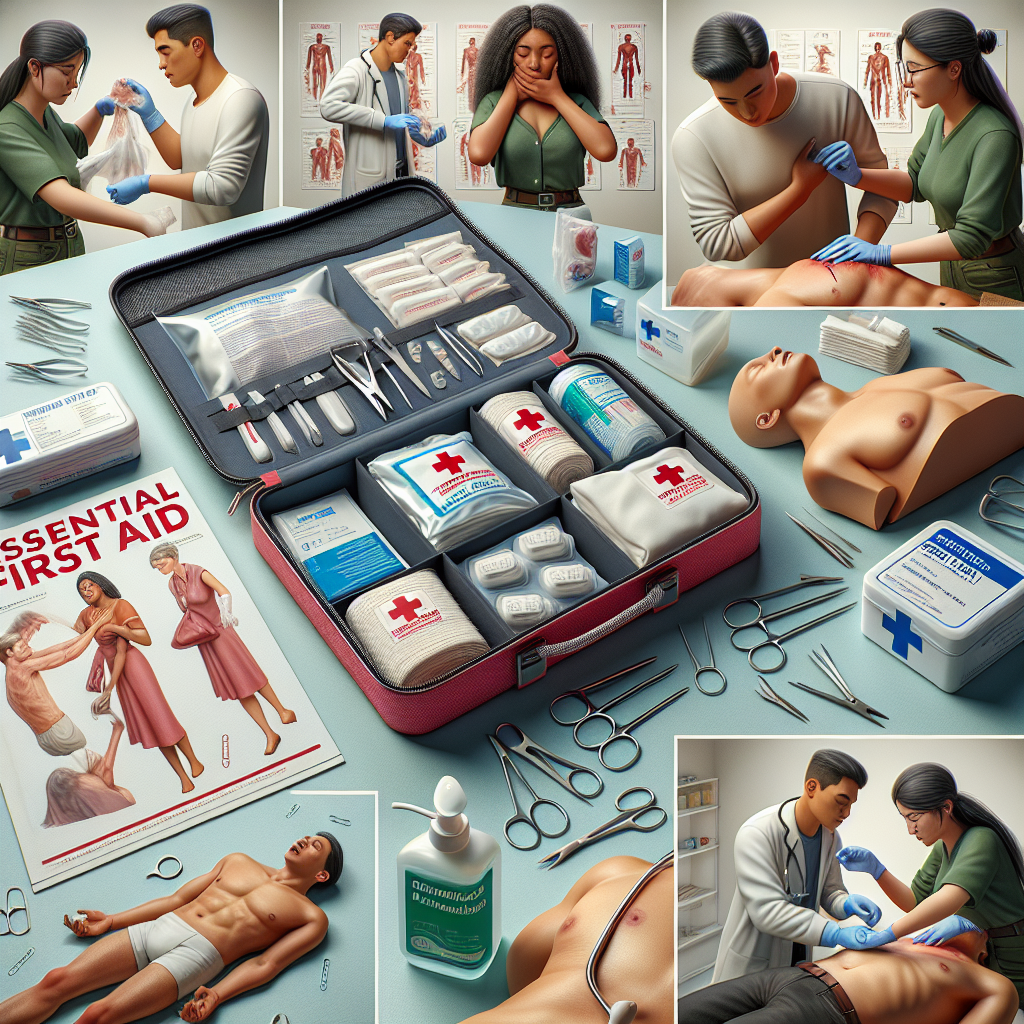
Every home and car should have a well-stocked first aid kit. Essential items include:
- Adhesive bandages of various sizes
- Sterile gauze pads
- Adhesive tape
- Sterile gloves
- Scissors and tweezers
- Antiseptic wipes
- A thermal blanket
Using the Kit Effectively
Knowing how to use a first aid kit effectively can enhance the outcomes of first aid care. Regularly check and refresh the kit contents, familiarize yourself with each item, and understand their purpose.
Conclusion
First aid knowledge is a powerful tool not just for healthcare professionals but for everyone. By learning and implementing basic first aid principles, individuals can significantly improve emergency response times, thereby saving lives and minimizing the impact of injuries. It is crucial to keep first aid skills sharp and up-to-date through regular training and practice.