Introduction to First Aid Basics
First aid is a critical skill that can make a life-or-death difference in emergency situations. Knowing how to respond promptly and effectively can help minimize injuries and save lives. This guide aims to equip you with the essential knowledge and skills to adequately handle various first aid scenarios.
Understanding the Importance of First Aid
First aid is the immediate assistance given to any person suffering from either a minor or serious illness or injury. It is often performed by someone with basic medical knowledge until professional medical assistance is available. Understanding first aid techniques can increase the chances of survival and recovery for individuals in emergencies. Here, we explore why learning first aid is crucial:
- Immediate Response: Quick reaction time can prevent worsening of injuries and can be crucial in life-saving situations.
- Empowerment: Knowledge of first aid instills confidence and readiness to handle emergencies, reducing panic and anxiety.
- Reduction of Recovery Time: Administering first aid promptly can limit the severity of injuries and complications, aiding quicker and more effective recovery.
- Support in Natural Disasters: In disasters, medical help might be delayed; first aid skills allow community members to assist each other until help arrives.
Essential First Aid Skills
To be prepared for a variety of emergencies, one should be familiar with several first aid techniques. Here are some fundamental skills everyone should learn:
1. Cardiopulmonary Resuscitation (CPR)
CPR is a critical life-saving technique used when someone’s breathing or heartbeat has stopped. This may happen in incidents like drowning, heart attacks, or choking. CPR involves chest compressions and rescue breaths to restore heartbeat and breathing.
2. Bleeding Control
Stopping bleeding is crucial to prevent excessive blood loss. Applying pressure on the wound with a clean cloth, elevating the wound, and using a tourniquet if necessary are vital steps in handling bleeding.
3. Treating Burns
Burns should be cooled with running water for several minutes. Avoid using ice or applying greasy substances. Cover the burn with a sterile dressing to protect it while seeking medical attention.
4. Handling Fractures
Support the injured area by immobilizing it with a splint or sling. Avoid moving the person unnecessarily. Seek professional medical help immediately to prevent further injury.
5. Managing Choking
The Heimlich maneuver is a first aid procedure used to treat upper airway obstructions (choking) by foreign objects. For adults and children over one year old, abdominal thrusts are effective, while back blows and chest thrusts are recommended for infants.
First Aid Kits: A Must-Have
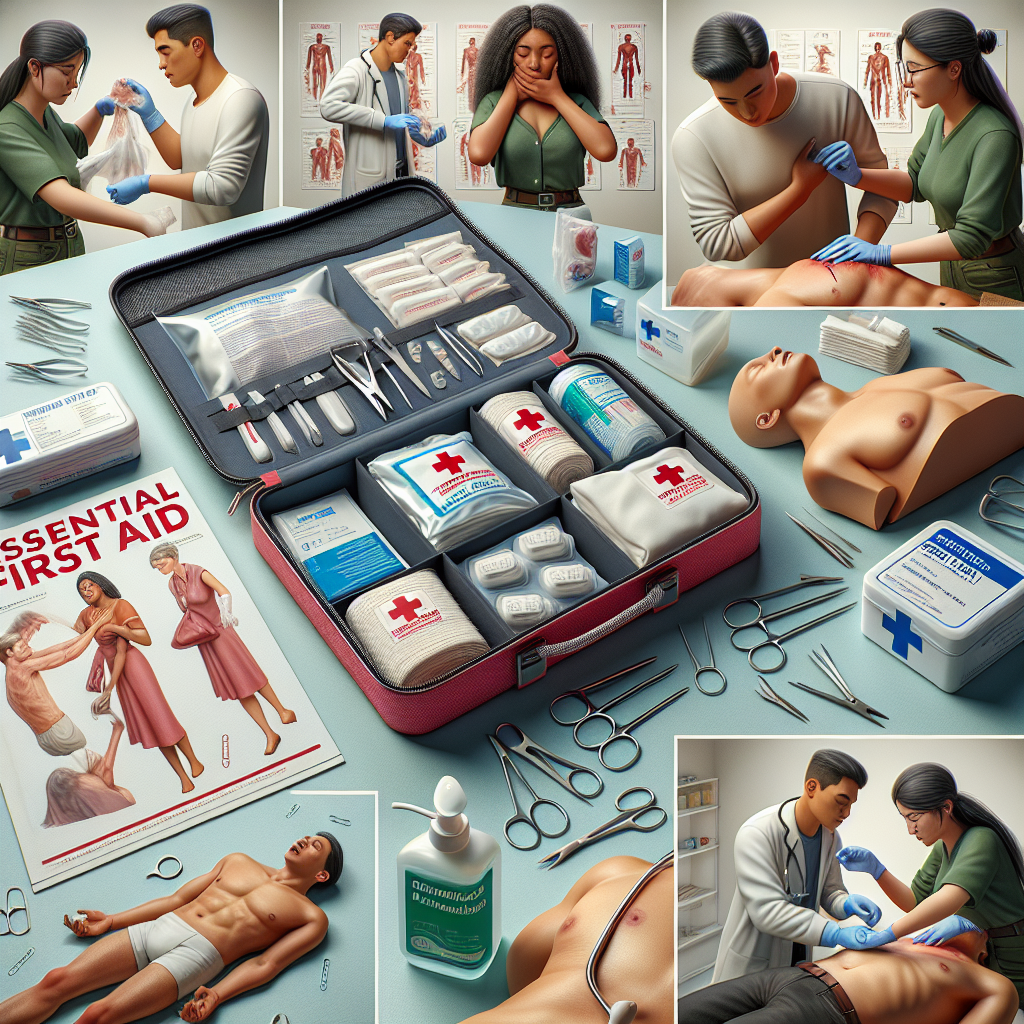
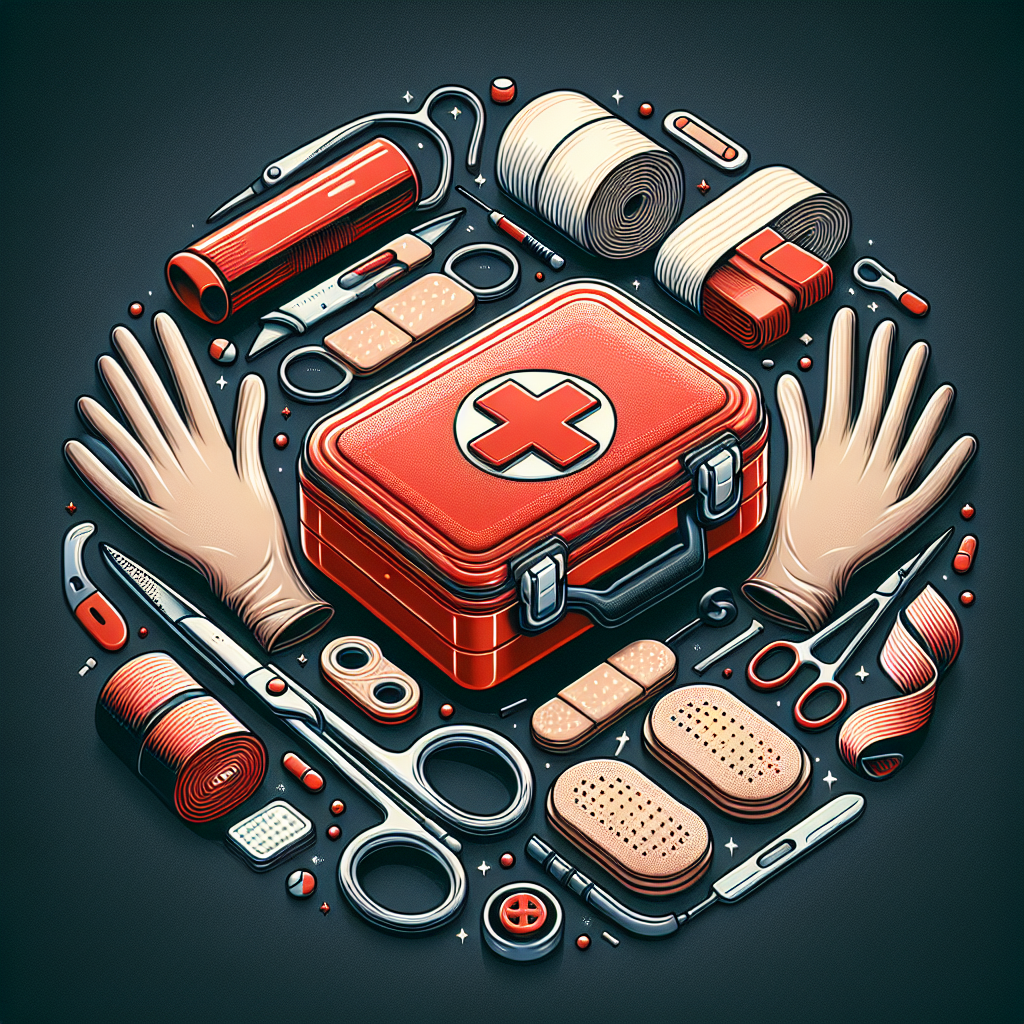
A well-stocked first aid kit is an essential part of being prepared for emergencies. Whether at home, at work, or in a vehicle, having readily accessible first aid supplies can make a significant difference. Here’s what a standard first aid kit should contain:
- Antiseptic wipes and lotions
- Adhesive bandages in various sizes
- Sterile gauze pads and adhesive tape
- Scissors and tweezers
- Digital thermometers and digital BP monitors
- Aspirin or other pain relievers
- An emergency blanket
- Instructions for performing basic first aid techniques
Conclusion
Being knowledgeable in first aid basics is not only empowering but also a compassionate act. By learning and maintaining these essential skills, we contribute to safer environments within our communities. Remember, whether it’s a minor injury or a critical life-threatening situation, your actions can make a difference. Regularly revisiting and practicing these skills with family, friends, or within community groups is key to staying prepared and confident in handling emergencies.