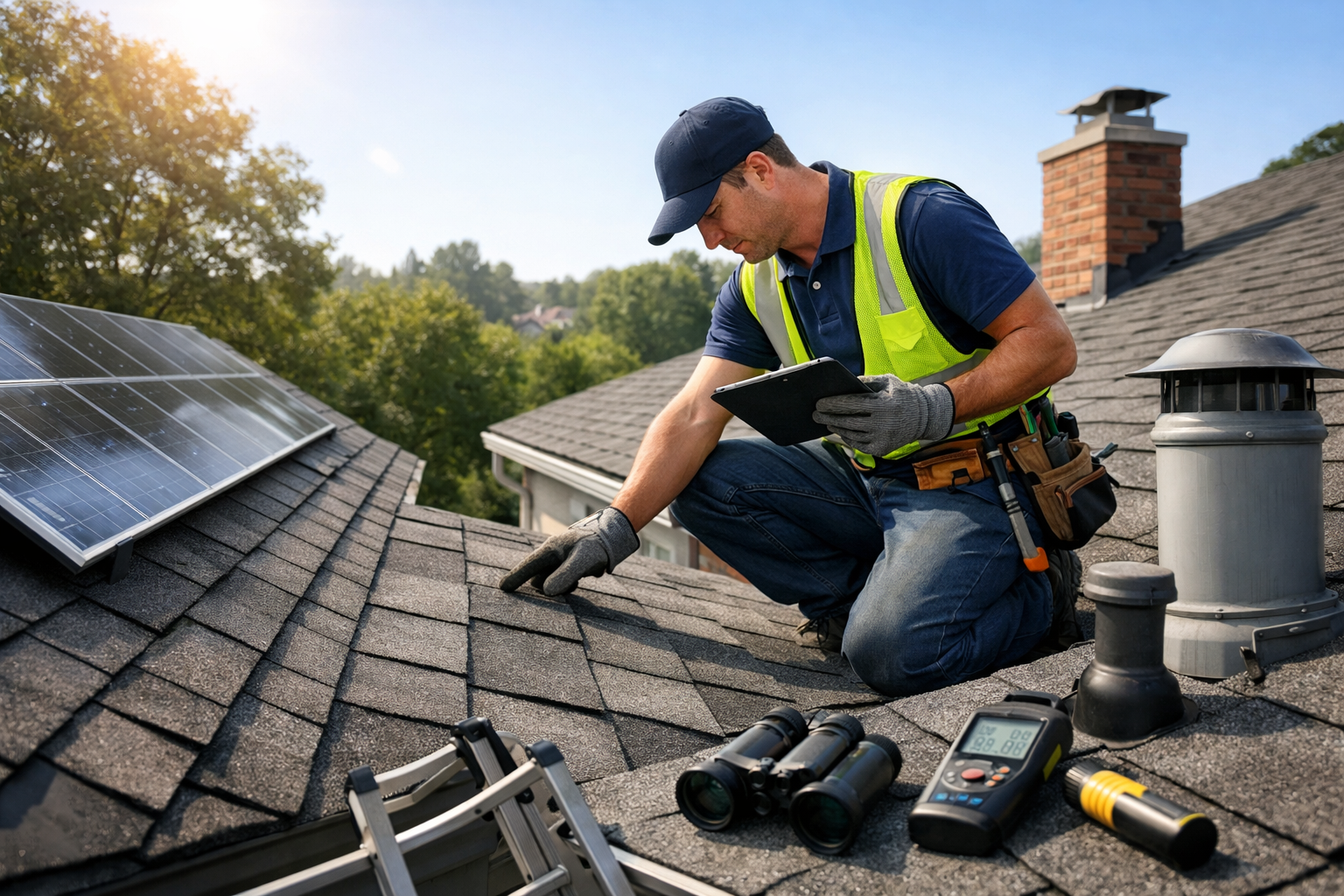
Why Roof Maintenance Matters in Every Home
Among all home maintenance tasks, roofing care is often the most overlooked until a problem becomes impossible to ignore. Yet the roof is one of the most critical parts of any property. It shields the interior from rain, wind, heat, and debris while helping maintain structural integrity and energy efficiency. Whether you own a newer home or an older property, a proactive approach to roof maintenance can prevent expensive repairs and preserve the value of your investment.
Homeowners exploring trusted roofing resources and service providers can benefit from directories such as Elite Directory’s roofing listings, which highlight businesses specializing in roofing installation, maintenance, and repair. Having access to reliable professionals is essential when issues move beyond simple DIY observation and routine upkeep.
Common Roofing Problems Homeowners Should Watch For
Most roof issues begin as small warning signs. If noticed early, they can often be addressed before they lead to water intrusion, mold, insulation damage, or structural decay. A few of the most common concerns include missing or damaged shingles, cracked flashing, clogged gutters, standing water, and visible sagging.
Leaks are one of the clearest indicators that something is wrong, but they do not always appear directly beneath the damaged area. Water can travel along beams and under roofing materials before entering the home, which makes early inspection especially important. Dark ceiling spots, peeling paint, damp attic insulation, and musty smells can all point to roofing trouble.
Weather-Related Wear and Tear
Seasonal weather places significant stress on roofing materials. Strong sun can dry out shingles, heavy rain can expose weak spots, and wind can loosen edges or lift sections entirely. In colder regions, freeze-thaw cycles may create cracks and ice dams. Even if a roof appears sound from the ground, repeated exposure to harsh conditions can gradually reduce its performance.
DIY Roof Maintenance: What Homeowners Can Safely Do
Not every roofing task requires climbing onto the roof or hiring a contractor immediately. There are several safe and practical steps homeowners can take to support roof health as part of a regular home maintenance routine.
Inspect from the ground: Use binoculars to check for uneven roof lines, missing shingles, moss growth, or visible debris accumulation.
Clean gutters and downspouts: Blocked drainage systems can force water back toward the roof edge and fascia, increasing the risk of rot and leaks.
Trim overhanging branches: Tree limbs can scrape roofing materials, drop debris, and increase moisture retention on the surface.
Check the attic: Look for daylight entering through the roof boards, signs of moisture, or poor ventilation.
Monitor after storms: High winds and hail can cause sudden damage that should be identified as soon as possible.
These simple steps help homeowners catch visible issues early. However, safety should always come first. Walking on a roof without proper training or equipment can be dangerous, especially on steep slopes or wet surfaces.
When to Call a Roofing Professional
While DIY awareness is valuable, many roofing concerns require experienced assessment and repair. If you notice active leaks, sagging sections, damaged flashing, large areas of missing shingles, or signs of structural weakness, it is time to contact a qualified roofing contractor. Professional roofers can identify hidden damage, recommend appropriate materials, and complete repairs according to local codes and safety standards.
This is particularly important for homeowners dealing with older roofs. Materials naturally degrade over time, and patchwork fixes may no longer be enough. A professional can help determine whether targeted repair, partial replacement, or full reroofing is the most cost-effective solution.
The Value of Routine Inspections
Scheduling regular roof inspections can extend the life of your roofing system and help avoid emergency repair costs. Many experts recommend inspections at least once or twice a year, especially after severe weather seasons. A trained roofer can assess shingles, underlayment, flashing, vents, seals, drainage performance, and overall roof condition with a level of detail most homeowners cannot safely achieve on their own.
Roofing Materials and Long-Term Maintenance
Different roofing materials require different levels of care. Asphalt shingles remain one of the most common residential roofing choices because they are affordable and widely available, but they can be vulnerable to wind damage and gradual granule loss. Metal roofing offers durability and long service life, though fasteners and seams should still be checked periodically. Tile and slate roofs are known for longevity but may crack under impact or movement. Flat roofing systems, often found on extensions and some modern homes, need close monitoring for drainage issues and pooling water.
Understanding your roof type makes maintenance more effective. Homeowners who know the age, material, and repair history of their roof are better prepared to make smart decisions about upkeep and replacement timelines.
How Preventive Maintenance Saves Money
Preventive maintenance is one of the most practical investments in home improvement. A minor repair completed quickly is usually far less expensive than fixing interior water damage, replacing insulation, treating mold, or rebuilding rotted framing. In addition, a well-maintained roof can improve curb appeal, support better energy efficiency, and strengthen buyer confidence if you plan to sell your home.
Neglect often turns manageable problems into major projects. For example, a few broken shingles may seem insignificant, but if they allow moisture into the underlayment, the resulting damage can spread across multiple roof sections and eventually affect ceilings, walls, and electrical systems.
Building a Simple Roof Maintenance Plan
Home maintenance works best when it is scheduled rather than reactive. Creating a simple annual roof care plan can help you stay organized and reduce long-term costs.
Inspect the roof visually each spring and fall.
Clean gutters regularly, especially during leaf season.
Document storm damage with photos for insurance purposes.
Arrange a professional inspection after severe weather or if your roof is aging.
Keep records of repairs, warranties, and contractor visits.
This kind of routine makes it easier to spot changes over time and take action before serious deterioration occurs.
Final Thoughts
Roof maintenance is not just about preserving shingles; it is about protecting the entire home. From routine gutter cleaning and attic checks to professional inspections and timely repairs, every step contributes to a safer and more resilient property. In the broader world of home, DIY, and improvement, few tasks offer the same level of protection and long-term value as caring for your roof properly.
For homeowners looking to connect with roofing specialists, compare service options, or learn more about available providers, a dedicated roofing directory can be a useful starting point. Staying informed and acting early are the keys to avoiding unnecessary repairs and keeping your home secure through every season.