Why Home Maintenance Matters More Than Most Homeowners Realize
Home maintenance is not just about keeping a house looking clean and organized. It is a long-term strategy that protects your investment, improves daily comfort, and helps you avoid expensive emergency repairs. Whether you live in a newly built property or an older home with character, regular upkeep plays a major role in preserving structure, safety, and value.
Many homeowners focus on visible upgrades such as paint colors, flooring, or landscaping, but true home improvement begins with consistent maintenance. Roofing, plumbing, drainage, insulation, electrical systems, exterior surfaces, and seasonal inspections all contribute to a healthier, more reliable living environment.
For homeowners exploring trusted resources in construction and upkeep services, the construction and maintenance directory can help identify businesses connected to repairs, renovation, and property care.
The Core Areas of Home Maintenance
A well-maintained home depends on attention to several essential systems. Some tasks are suitable for DIY projects, while others require professional expertise. Understanding the difference can save time, money, and risk.
1. Roofing and Gutters
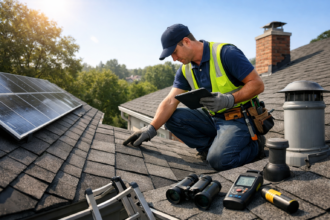
Your roof is one of the most important protective barriers in the home. Missing shingles, cracked flashing, clogged gutters, and poor drainage can lead to leaks, mold, and structural damage. Homeowners should inspect the roof visually after major storms and clean gutters regularly to ensure rainwater is directed away from the house.
- Check for sagging or damaged gutter sections
- Remove leaves and debris seasonally
- Look for water stains in the attic or ceiling
- Trim branches hanging close to the roofline
2. Plumbing and Water Control
Minor plumbing issues often become major repairs when ignored. A dripping faucet, slow drain, or hidden pipe leak can increase water bills and damage walls, cabinets, and flooring. Homeowners should learn how to shut off the main water supply and inspect visible plumbing connections periodically.
- Check under sinks for moisture or corrosion
- Monitor water pressure changes
- Inspect caulking around tubs and showers
- Clean drains before blockages become severe
3. HVAC and Ventilation
Heating and cooling systems directly affect comfort, energy efficiency, and indoor air quality. Replacing air filters, cleaning vents, and scheduling periodic system servicing can extend equipment life and reduce utility costs. Poor ventilation can also contribute to humidity issues and mold growth, particularly in bathrooms, attics, and basements.
4. Electrical Safety
Electrical maintenance should never be overlooked. Flickering lights, warm outlets, frequently tripped breakers, or outdated wiring may indicate safety concerns. While simple tasks such as replacing light bulbs or testing smoke detectors are homeowner-friendly, more complex electrical work should be handled by a licensed professional.
DIY Improvements That Deliver Real Value
Not every home improvement project needs to be large or expensive. Some of the most effective DIY updates improve function, efficiency, and appearance at the same time.
Weatherproofing and Sealing
Sealing air leaks around windows, doors, and utility openings helps control indoor temperature and lowers energy consumption. Adding weatherstripping or caulk is a relatively simple project that pays off quickly, especially in climates with hot summers or cold winters.
Painting and Surface Protection
Fresh paint is one of the easiest ways to improve interior and exterior appeal, but it also serves a protective purpose. Exterior paint helps defend siding and trim from moisture and sun exposure, while interior paint can refresh worn spaces and make rooms easier to clean.
Storage and Organization Upgrades
Functional homes are easier to maintain. Installing shelves, wall hooks, garage organizers, or utility room storage can reduce clutter and make cleaning simpler. Better organization also helps homeowners spot maintenance issues earlier because key systems and surfaces remain more accessible.
Lighting Improvements
Upgrading to LED lighting, adding task lighting in work areas, or installing motion-sensor exterior lights can improve convenience, security, and energy efficiency. Good lighting also supports safer navigation around entryways, staircases, and outdoor paths.
Seasonal Home Maintenance Checklist
Breaking maintenance into seasonal tasks makes the process more manageable and helps homeowners stay proactive rather than reactive.
Spring
- Inspect roofing and gutters after winter weather
- Check exterior walls, siding, and foundation for cracks
- Service air conditioning systems
- Clean windows and screens
Summer
- Examine decks, fences, and outdoor structures
- Power wash driveways, patios, and siding if needed
- Inspect irrigation systems and outdoor faucets
- Look for pest activity around the home
Fall
- Clean gutters before heavy rain or snow
- Seal gaps around doors and windows
- Test heating systems
- Drain and store seasonal hoses and equipment
Winter
- Monitor for ice dams and condensation issues
- Check insulation in attics and crawl spaces
- Test smoke alarms and carbon monoxide detectors
- Watch for frozen pipes during cold spells
When to DIY and When to Call a Professional
DIY home maintenance can be empowering and cost-effective, but homeowners should recognize the limits of their tools, knowledge, and time. Cosmetic updates, routine cleaning, basic sealing, and simple fixture replacements are often manageable. However, structural repairs, roofing work at height, electrical rewiring, foundation issues, and complex plumbing jobs usually require trained professionals.
Calling in expert help at the right time can prevent damage from getting worse. It can also ensure work is completed safely and according to local codes. A balanced approach—handling basic upkeep yourself while relying on professionals for specialized tasks—is often the smartest strategy.
Building a Long-Term Maintenance Mindset
The best home maintenance plans are consistent rather than dramatic. Instead of waiting for something to fail, homeowners benefit most from routine inspections, early repairs, and steady improvement. Keeping a maintenance calendar, tracking warranties, saving receipts, and documenting repairs can make homeownership less stressful and more organized.
Over time, these habits increase property value, reduce surprise expenses, and create a more comfortable place to live. Home maintenance is not simply another household responsibility; it is one of the most practical forms of home improvement available. With careful attention, smart DIY choices, and access to reliable construction and maintenance resources, homeowners can keep their properties strong, efficient, and ready for the future.