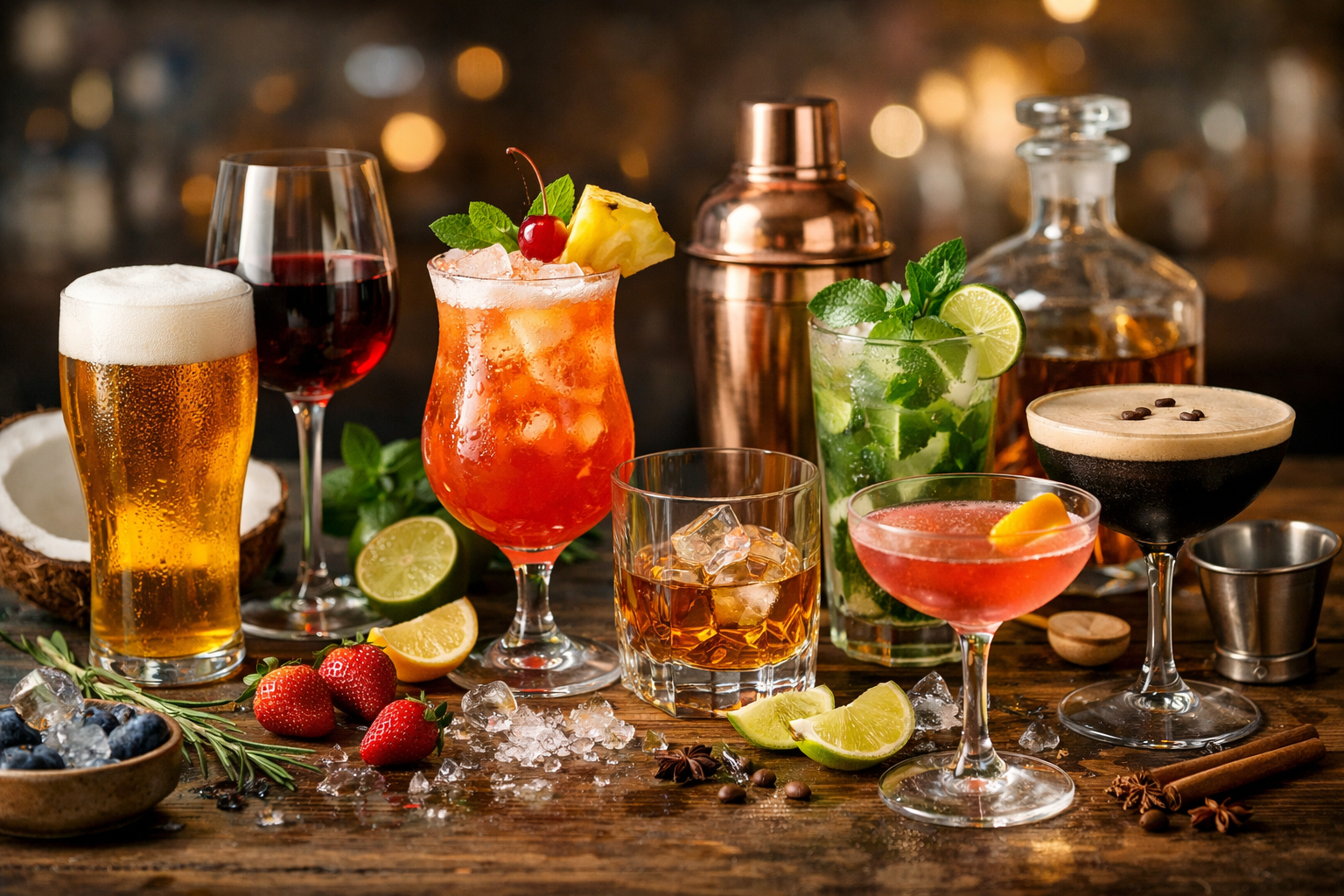
The Enduring Appeal of Drinks
Drinks play a central role in daily routines, celebrations, hospitality, and global food culture. From the first cup of coffee in the morning to a cooling fruit juice at lunch or a carefully brewed tea in the evening, beverages help shape the rhythm of the day. They can energize, soothe, nourish, refresh, or simply provide pleasure through aroma, taste, and texture.
The world of drinks is remarkably diverse. It includes water, tea, coffee, juices, dairy-based beverages, soft drinks, mocktails, fermented drinks, and countless regional specialties. Each category offers its own sensory experience, influenced by ingredients, preparation techniques, temperature, and serving style. Understanding drinks means looking not only at what is in the glass, but also at the tradition and craftsmanship behind it.
Major Categories of Drinks
Water: The Foundation of All Refreshment
Water remains the most essential beverage. It supports hydration, digestion, circulation, and temperature regulation. While often taken for granted, water varies in taste depending on its mineral content and source. Sparkling water adds texture and liveliness, while infused water with citrus, cucumber, mint, or berries offers subtle flavor without overwhelming sweetness.
Tea: Tradition in a Cup
Tea is one of the world’s most widely consumed drinks, valued for both ritual and comfort. Black tea, green tea, white tea, oolong, and pu-erh all come from the same plant but differ in processing and flavor profile. Herbal teas, while technically infusions rather than true teas, are equally popular and can include chamomile, peppermint, ginger, hibiscus, and rooibos.
Tea can be light and grassy, malty and bold, floral and fragrant, or spicy and warming. It may be served hot or cold, sweetened or unsweetened, plain or blended with milk, lemon, honey, or spices.
Coffee: Complexity and Character
Coffee has evolved from a simple brewed beverage into a craft-driven industry centered on origin, roast level, grind size, and extraction method. Espresso, filter coffee, cold brew, cappuccino, latte, and flat white each deliver a different balance of intensity, bitterness, body, and aroma.
The flavor of coffee can range from chocolatey and nutty to fruity, floral, or caramel-like. For many people, coffee is not just a caffeine source but a deeply personal drink tied to habit, place, and preference.
Juices and Smoothies: Fruit-Forward Refreshment
Fruit and vegetable drinks are often chosen for their bright flavor and perceived nutritional value. Fresh orange juice, apple juice, pomegranate juice, carrot juice, and green blends remain popular in homes and cafés alike. Smoothies, which combine fruit with yogurt, milk, ice, seeds, or nut butters, offer a thicker, more filling option.
These beverages can be refreshing and flavorful, but ingredient balance matters. Fresh produce delivers natural sweetness and vibrant taste, while excessive added sugar can reduce their nutritional appeal.
Dairy and Plant-Based Drinks
Milk-based drinks have long been staples across many cuisines. They appear in flavored milk, yogurt drinks, milkshakes, and traditional beverages such as lassi. At the same time, plant-based alternatives like oat, almond, soy, and coconut drinks have become increasingly common, offering different textures and tastes for those with dietary preferences or restrictions.
Some are enjoyed on their own, while others are chosen specifically for coffee, cereal, smoothies, or cooking applications.
Soft Drinks and Sparkling Beverages
Carbonated drinks are prized for their crisp, fizzy sensation. Colas, lemon-lime sodas, tonic water, ginger ale, and flavored sparkling beverages offer immediate refreshment and a lively mouthfeel. Though often associated with sweetness and indulgence, the category now includes reduced-sugar and unsweetened options that appeal to changing consumer tastes.
Mocktails and Specialty Drinks
As interest in creative non-alcoholic beverages grows, mocktails have become an exciting category in their own right. These drinks layer juices, herbs, syrups, spices, sparkling water, and garnishes to create complexity without alcohol. Regional specialties such as bubble tea, aguas frescas, kefir, kombucha, sugarcane juice, and spiced buttermilk further demonstrate how inventive drink culture can be.
What Shapes the Taste of a Drink?
A memorable beverage is built on balance. Several elements work together to define its character:
- Sweetness: Comes from sugar, fruit, honey, syrups, or naturally sweet ingredients.
- Acidity: Adds brightness and freshness, often from citrus, berries, tea, or fermentation.
- Bitterness: Common in coffee, tea, tonic, cocoa, and some herbal ingredients.
- Texture: Drinks may be silky, creamy, frothy, pulpy, still, or sparkling.
- Temperature: A drink served hot, chilled, or over ice can feel entirely different.
- Aroma: Scent strongly influences flavor perception, especially in coffee, tea, and spiced beverages.
The best drinks do not rely on one trait alone. Instead, they combine contrast and harmony to create depth and satisfaction.
The Cultural Importance of Drinks
Drinks often carry meaning far beyond refreshment. Tea ceremonies reflect patience and tradition. Coffeehouses have long served as places for conversation and community. Festive drinks mark holidays, family gatherings, and seasonal changes. Even a simple glass of lemonade or hot chocolate can evoke memory, comfort, and place.
Around the world, beverage customs reveal local agriculture, climate, and social habits. Tropical regions highlight fruits, coconut, and cooling herbal drinks, while colder regions often favor warming infusions, mulled beverages, and richer dairy-based options. In this way, drinks tell stories about both geography and identity.
Choosing Better Drinks Every Day
A thoughtful approach to beverages can improve both enjoyment and well-being. Water should remain the primary daily drink for hydration, while tea, coffee, juices, and specialty beverages can be selected according to taste, timing, and nutritional goals. Paying attention to sugar content, ingredient quality, and portion size helps create a balanced routine.
It is also worth exploring homemade options. Infused waters, iced teas, fresh smoothies, and simple sparkling fruit coolers can deliver excellent flavor with more control over sweetness and additives. Small adjustments—such as using fresh herbs, real fruit, or unsweetened bases—can significantly elevate the drinking experience.
A World Worth Savoring
The category of drinks is vast, dynamic, and deeply woven into human life. Whether simple or elaborate, traditional or modern, beverages offer far more than hydration alone. They bring flavor, ritual, creativity, and connection to the table. By learning about the different types of drinks and the qualities that make them appealing, anyone can gain a deeper appreciation for what they sip every day.