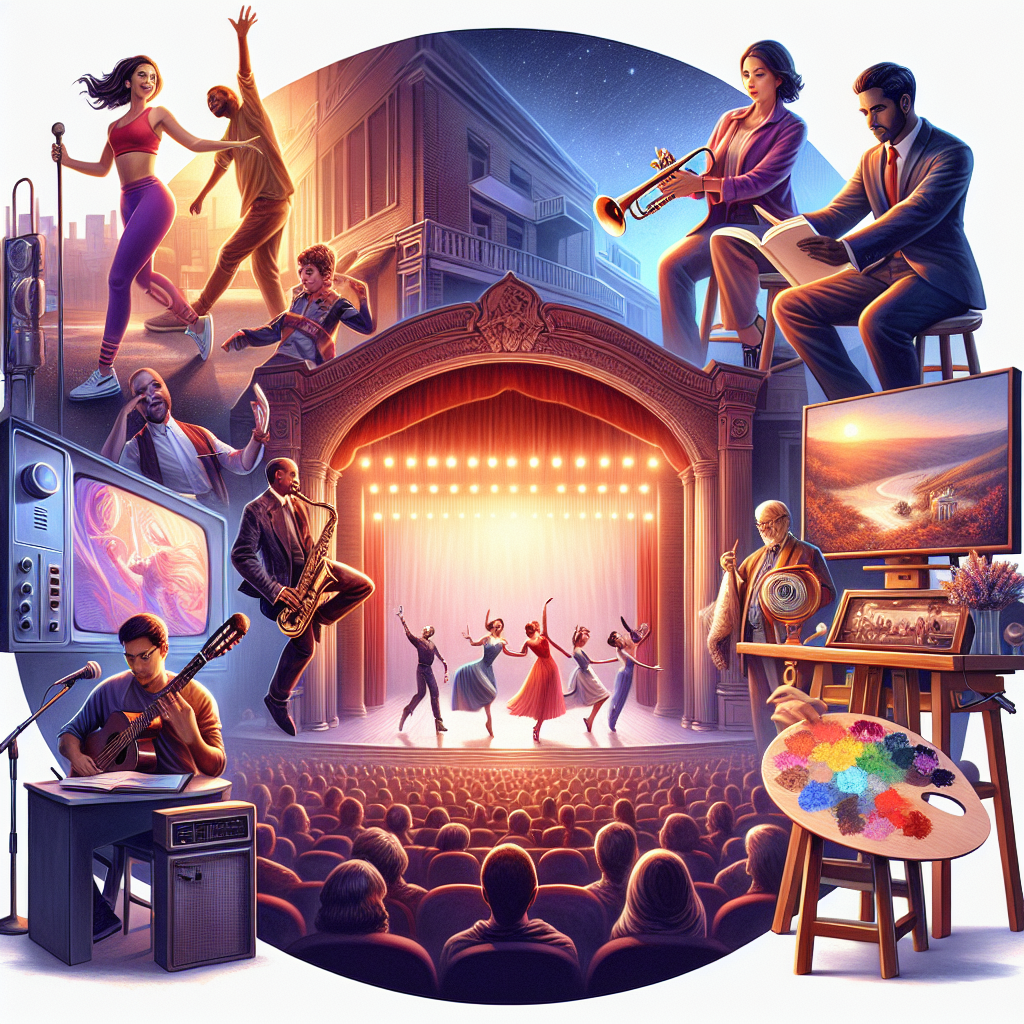
Understanding the Evolution of Entertainment
Entertainment has always been an integral part of human culture and civilization. From the earliest forms of storytelling through cave paintings to the digital era’s global media, entertainment has continually evolved to meet the changing tastes, technologies, and cultures of societies. This article explores the diverse dimensions of entertainment, its history, significant mediums, and its profound impact on society.
A Historical Perspective
The roots of entertainment can be traced back thousands of years. In ancient civilizations, storytelling, music, dance, and theatrical performances served as primary sources of entertainment. These practices not only provided amusement but also played crucial roles in cultural transmission and social bonding.
Entertainment in Ancient Times
- Cave Paintings: Some of the earliest forms of storytelling were through cave paintings, depicting scenes of hunting and daily life, entertaining and educating communities.
- Greek Theatre: In ancient Greece, theatre became a significant cultural activity, with plays often exploring themes of tragedy and comedy, reflecting societal values.
- Roman Gladiators: The Romans introduced more visceral forms of entertainment with gladiatorial games, which, despite their brutality, were popular and served as a display of power and prowess.
Medieval and Renaissance Entertainments
- Court Jesters and Minstrels: These entertainers were staples in medieval courts, providing music, stories, and comedic acts to mimic and satirize the royal court.
- Masques and Street Performers: The Renaissance era saw the rise of more formalized entertainment, including elaborate masques and street performances that reflected the life and times of society.
The Industrial Revolution and the Rise of Mass Entertainment
The industrial revolution marked a dramatic shift in entertainment as technological advancements paved the way for mass production and distribution of entertainment forms. This era saw the birth of modern entertainment industries that were more accessible to the general public.
The Dawn of Cinematography
- Silent Films: The late 19th and early 20th centuries witnessed the evolution of cinema, with silent films captivating audiences worldwide.
- Talkies: The introduction of sound to motion pictures revolutionized the industry, leading to the Golden Age of Hollywood.
The Radio Era
Radio emerged as an essential medium of entertainment, bringing music, drama, and news into the homes of millions. This medium acted as a bridge, uniting people and delivering real-time information across the globe.
Television: A New Era of Visual Entertainment
- Program Diversification: The post-war boom led to expansive TV program offerings, including sitcoms, dramas, news, and variety shows.
- Global Reach: Network broadcasting extended to global audiences, transforming TV into a universal form of entertainment.
The Digital Revolution: Entertainment in the Modern Age
The advent of digital technology at the turn of the 21st century has ushered in an era of unprecedented transformation in entertainment. The boundaries of media consumption have expanded, creating new platforms and formats.
The Impact of the Internet
- Streaming Services: Platforms like Netflix, Amazon Prime Video, and Disney+ have transformed how audiences consume media, offering on-demand content.
- Social Media: Sites like YouTube, TikTok, and Instagram have empowered content creators and introduced new entertainment genres.
Interactive Entertainment: Video Games
- Growth of the Gaming Industry: Video games have become one of the largest segments in the entertainment sector, with immersive graphics and storytelling.
- Esports: Competitive gaming has emerged as a major form of entertainment and sport, drawing large audiences online and in arenas.
Virtual and Augmented Reality
With advancements in VR and AR technologies, entertainment is pushing the limits of reality, offering immersive experiences that were once deemed science fiction.
The Cultural Impact of Entertainment
Entertainment wields considerable influence over societal norms, values, and trends. It reflects and shapes culture in numerous ways, from challenging social norms through storytelling to influencing political discourse and lifestyle choices.
Entertainment as a Reflection of Society
Movies, music, television, and literature often mirror societal issues, providing commentary on contemporary social, political, and economic climates.
Influence on Youth and Identity
- Role Models: Celebrities and entertainers often serve as role models, with significant influence over fashion, behavior, and attitudes among young people.
- Shaping Ideologies: Storylines in entertainment can shape perceptions and ideologies, reinforcing or challenging beliefs.
Conclusion: The Future of Entertainment
As technology continues to evolve, so will the entertainment industry. We stand on the cusp of new innovations such as AI-driven content creation, personalized media experiences, and community-driven storytelling. The future promises a more immersive, interactive, and personalized entertainment landscape that embraces diversity and global connectivity.
Ultimately, entertainment remains a dynamic and robust pillar of human culture—continuously adapting, influencing, and reflecting the human condition in all its complexities.
“`