Introduction to Game Development
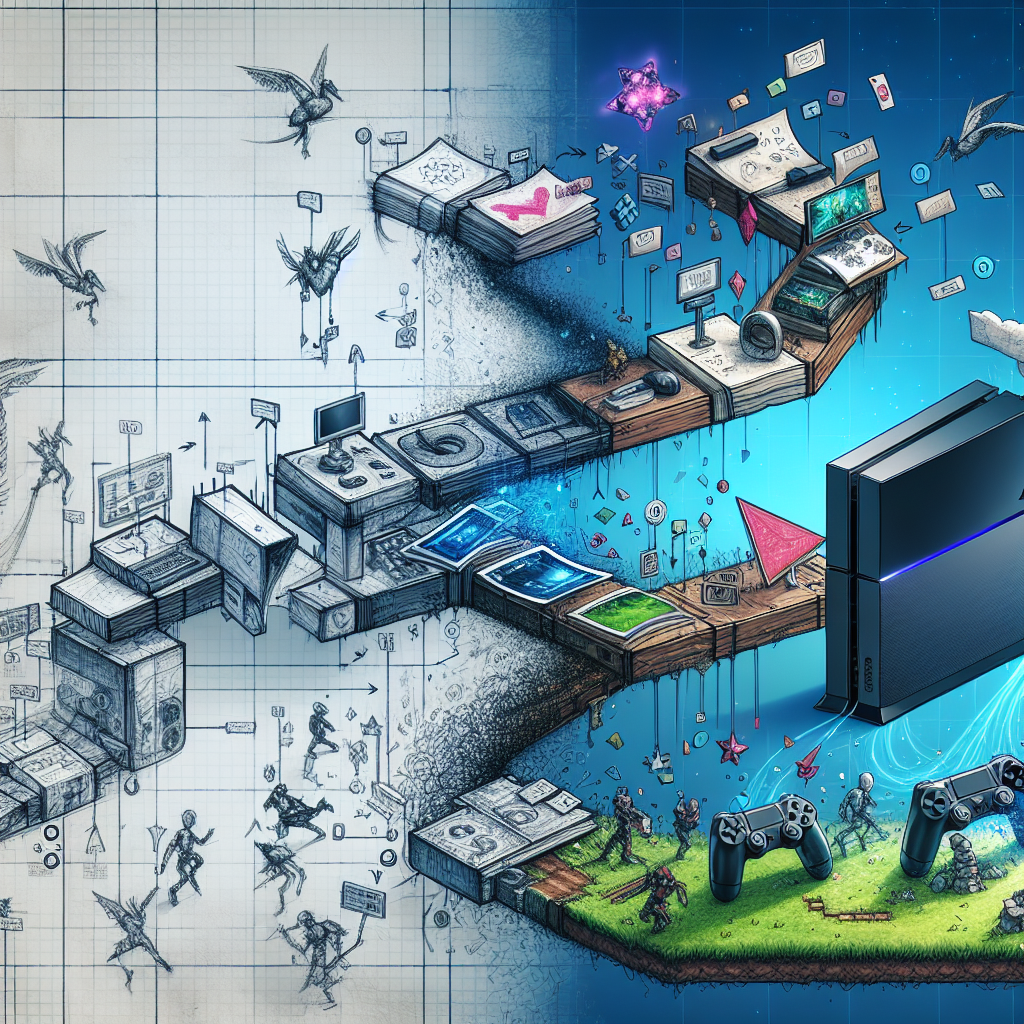
Game development is a multi-faceted field that combines creativity, technology, and a lot of hard work. With gaming gaining an explosive popularity, understanding the intricate process of game development is essential for aspiring developers and enthusiasts alike. This article explores the journey of a game from an idea in the developer’s mind to the finished product available on various platforms.
The Game Development Process
Conceptualization
Every game starts with an idea. This is the stage where developers brainstorm to come up with a concept that defines the game’s core mechanics, story, and unique selling propositions. The conceptualization phase includes:
- Idea Generation: Drawing inspiration from personal experiences, existing games, or popular culture.
- Market Research: Analyzing current trends and identifying the target audience.
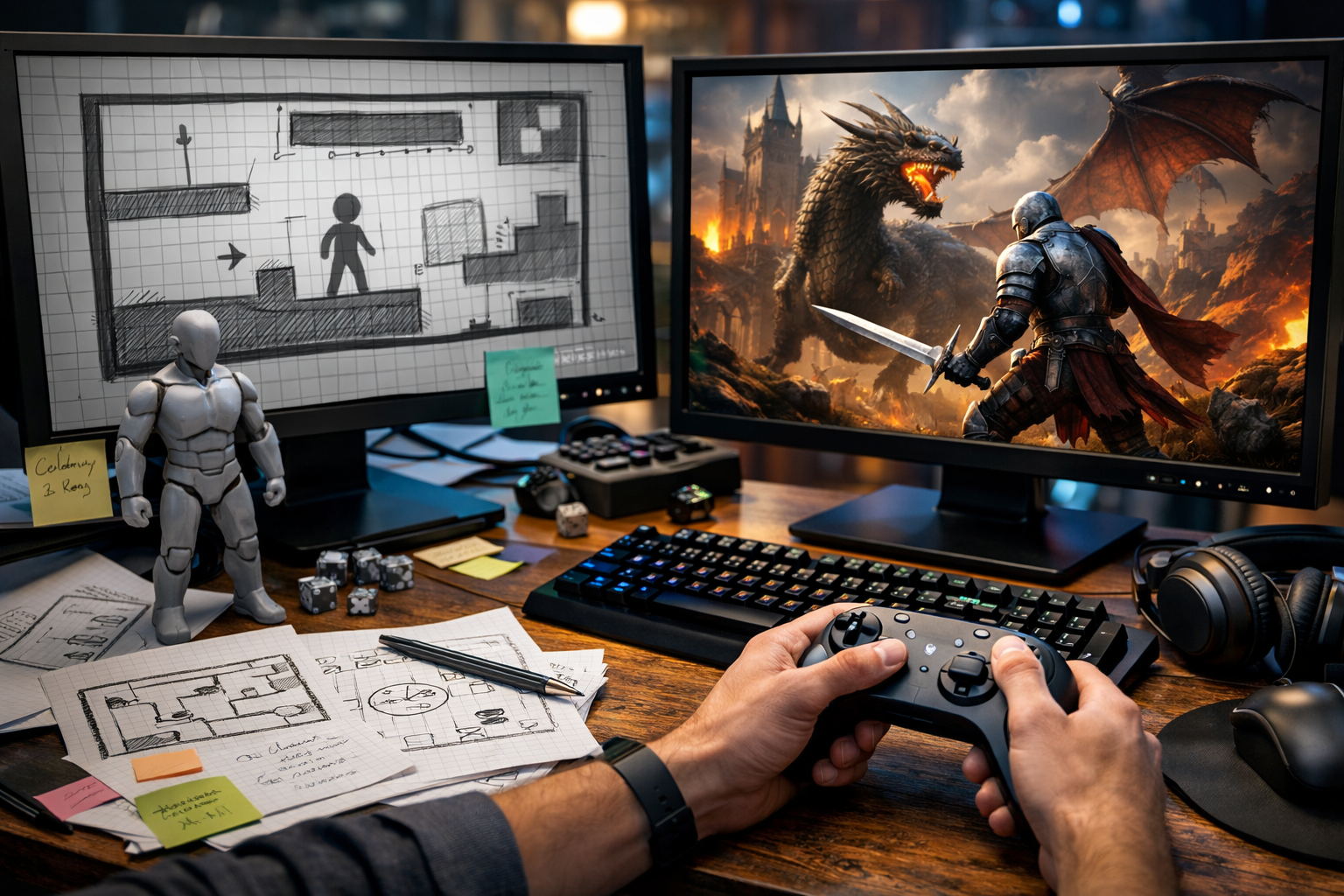
- Initial Prototyping: Sketching ideas and making rough prototypes to test viability.
Design
Upon finalizing the concept, developers move on to the design phase. This involves creating:
- Gameplay Mechanics: Designing the rules and systems that govern player interaction.
- Storytelling: Formulating a narrative that immerses players.
- Character and World Design: Developing characters, environments, and levels that align with the game’s theme.
Development
During the development stage, developers transform designs into a playable game. Key tasks include:
- Coding: Writing the game’s code using programming languages and engines like Unity, Unreal Engine, or Godot.
- Art and Sound: Creating graphics, animations, and sound effects that bring the game world to life.
- Testing: Continuously testing the game to fix bugs and improve performance.
Testing and Quality Assurance
Quality assurance (QA) is a critical phase where the game is rigorously tested to ensure it is free of bugs and offers a seamless user experience. This involves:
- Playtesting: Observing real players to gather feedback.
- Bug Fixing: Identifying and correcting errors related to gameplay mechanics, graphics, or code.
- Optimization: Tweaking the game code to improve performance across different platforms.
Launch and Marketing
After QA, the game is ready to meet its players. A successful launch includes strategic marketing efforts:
- Pre-Release Marketing: Building anticipation through trailers, demos, and social media engagement.
- Launch Day Strategy: Coordinating with distribution channels to ensure a smooth release.
- Post-Launch Support: Updating the game based on user feedback and adding new content to maintain player interest.
The Role of Game Engines in Development
Game engines play a vital role in game development by providing the tools necessary to create immersive experiences. Popular engines like Unity, Unreal Engine, and Godot offer features like physics simulation, rendering, and asset management, making them indispensable in the development process.
Challenges in Game Development
Despite its allure, game development is fraught with challenges such as:
- Technological Hurdles: Keeping up with rapidly evolving technology and hardware requirements.
- Resource Management: Balancing time, budget, and the scope of the project.
- Creative Burnout: Maintaining creative energy and vision throughout the long development cycles.
The Future of Game Development
The future of game development holds exciting possibilities with advancements in AI, VR, and AR technologies. These innovations promise richer storytelling, more realistic graphics, and entirely new gameplay mechanics, allowing developers to create games that are more engaging, immersive, and accessible than ever before.
As technology continues to evolve, game development will increasingly become a field where art meets science, offering endless potential for innovation and entertainment.