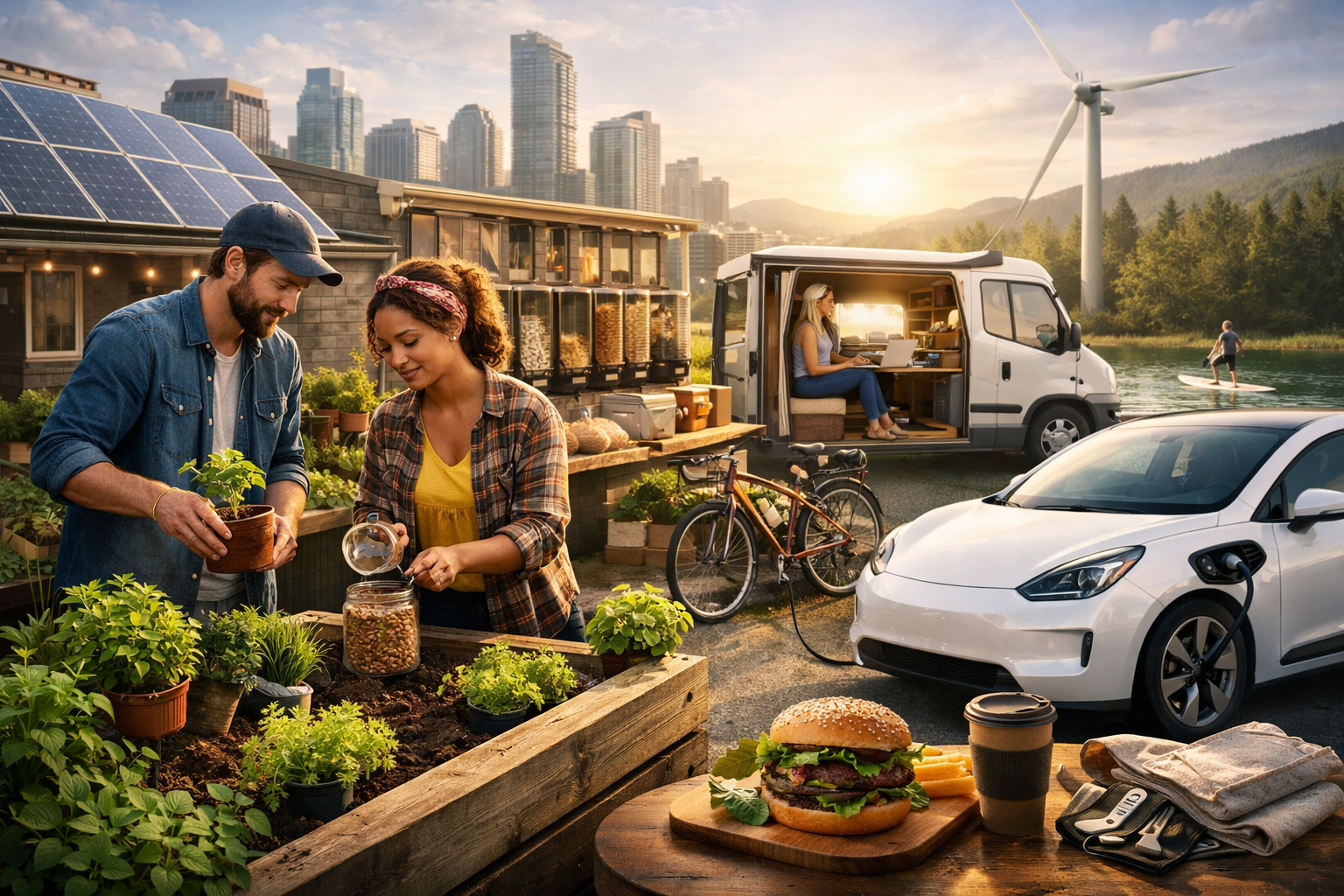
Culture in Motion: Why Lifestyle Shifts Matter
Culture is often described as tradition—recipes passed down, rituals repeated, norms reinforced. Yet culture is equally shaped by the small, ordinary decisions people make every day: where they live, how they earn, what they eat, how they spend leisure time, and what they consider “a good life.” When these personal choices shift at scale, society doesn’t just evolve; it renegotiates its priorities.
Recent lifestyle shifts are not isolated trends. They reflect deeper pressures and possibilities: digital tools that restructure time, economic uncertainty that changes definitions of success, climate concerns that influence consumption, and new conversations about identity and mental health that reshape social norms. Understanding these shifts helps explain why workplaces, neighborhoods, relationships, and even family structures feel different than they did a decade ago.
The Recalibration of Work and Time
From “9-to-5” to “when and where it works”
Remote and hybrid work have altered the geography of daily life. For many, commuting time has been traded for family care, side projects, exercise, or simply more sleep. The ripple effects are cultural: lunchtime routines change, city centers reorient around new foot-traffic patterns, and professional identity becomes less tied to a specific place.
At the same time, flexibility can blur boundaries. Notifications creep into evenings, and “always-on” expectations can replace old workplace constraints. The cultural question becomes less about where we work and more about who controls time—employers, algorithms, or individuals.
The rise of portfolio careers
More people now blend multiple income streams—freelancing, part-time roles, consulting, content creation, or small commerce. This portfolio approach reshapes social status: a stable single job is no longer the only marker of responsibility, and career paths look less linear. It can also widen inequality, benefiting those with networks and savings while leaving others exposed to volatility.
Consumption with a Conscience (and a Calculator)
Values-driven buying meets economic reality
Consumers increasingly weigh ethics, sustainability, and transparency. Interest in secondhand marketplaces, repair culture, and minimalism reflects both ecological concerns and cost pressures. In many communities, frugality is no longer stigmatized; it’s reframed as smart, responsible, and even stylish.
Still, the “right” choice isn’t equally available to everyone. Local, organic, and low-waste options can be more expensive or harder to access. This creates a cultural tension between aspiration and affordability—one that influences politics, social identity, and even friendships.
Experience economics and “small luxuries”
Alongside restraint, there’s a hunger for meaningful experiences: travel, concerts, wellness retreats, and community events. When long-term stability feels uncertain, people may prioritize memories and short-term joy. This isn’t pure indulgence—it’s often a coping strategy and a statement of values: life is for living, not only saving.
Food, Health, and the New Wellness Culture
Wellness becomes mainstream—and more complex
Wellness has expanded from exercise and dieting into a broad cultural vocabulary covering sleep, stress management, gut health, sobriety, neurodiversity, and emotional resilience. More open conversation about therapy and mental health has reduced stigma in many places, changing how people interpret productivity, parenting, and relationships.
Yet wellness culture can also become performative or exclusionary, especially when it drifts into moralizing (“clean” versus “bad” habits) or expensive routines. A healthier cultural direction is emerging: wellness as adaptable practice rather than a perfect lifestyle.
Eating patterns reflect identity and belonging
Dietary choices—plant-forward eating, flexitarianism, reduced alcohol consumption, or culturally specific cuisines—often function as signals of identity. Food remains one of the most accessible ways to express values and community ties. Potlucks, supper clubs, and local food collectives are reappearing as antidotes to isolation, combining nourishment with social reconnection.
Relationships, Community, and the Shape of Belonging
Redefining family and partnership
Households are diversifying: multigenerational living, “chosen family,” co-living arrangements, and delayed marriage or parenthood are increasingly visible. These shifts are shaped by housing costs, caregiving needs, and changing norms around gender roles. The result is a culture that is experimenting with new forms of mutual support—sometimes by necessity, sometimes by choice.
Digital closeness and analog hunger
Digital tools make it easier to maintain long-distance friendships and niche communities, but they can also leave people craving in-person connection. A notable shift is the intentional return to “analog” experiences: board game nights, book clubs, community gardening, maker spaces, and volunteering. These activities offer a sense of presence that platforms struggle to replicate.
Where We Live: Mobility, Housing, and Local Identity
Housing affordability and remote work have fueled mobility. Some people move to smaller cities or rural areas for space and lower costs; others stay in dense areas for opportunity and cultural life. This movement reshapes local identity: newcomers influence politics, school systems, and business ecosystems, while longtime residents may worry about displacement and loss of heritage.
In response, many communities are focusing on “third places”—cafes, libraries, parks, and community centers that support belonging beyond home and work. The revival of localism, from farmers’ markets to neighborhood mutual aid, reflects a desire to rebuild trust at a human scale.
How Lifestyle Shifts Are Changing Social Norms
When enough people change their routines, norms follow. A few notable examples include:
- Rest as legitimacy: Burnout conversations have made rest and boundaries more socially acceptable, especially among younger generations.
- Privacy and digital etiquette: People are negotiating what it means to be reachable, to share photos, or to record public life.
- Skill-sharing culture: From cooking to basic repairs, communities are rediscovering practical skills as both empowerment and resilience.
- Identity and inclusion: Language and representation debates are influencing workplace policies, media, and everyday interactions.
Navigating the Next Chapter
Lifestyle shifts are not simply a menu of personal choices; they are a map of social change. They show where people feel pressure—rising costs, constant connectivity, climate anxiety—and where they sense possibility—flexibility, community reinvention, healthier norms around care. The most constructive path forward recognizes that not everyone has equal access to “better” lifestyles. Culture becomes more humane when systems—housing, healthcare, labor policy, education—make room for diverse ways of living well.
In the end, cultural change is built from repeated actions. Whether it’s cooking more at home, forming a neighborhood group, choosing a different work rhythm, or redefining success, the ordinary decisions of millions are quietly rewriting society’s story.