The Entertainment Power of Comics
Comics sit at a unique crossroads of entertainment: they combine the immediacy of visual art with the pacing and depth of literature, while remaining more affordable and accessible than most screen media. Whether you’re reading a single-issue superhero serial, a meticulously crafted graphic novel, or a vertical-scroll webcomic on your phone, the medium offers a distinctive way to experience story—one panel at a time.
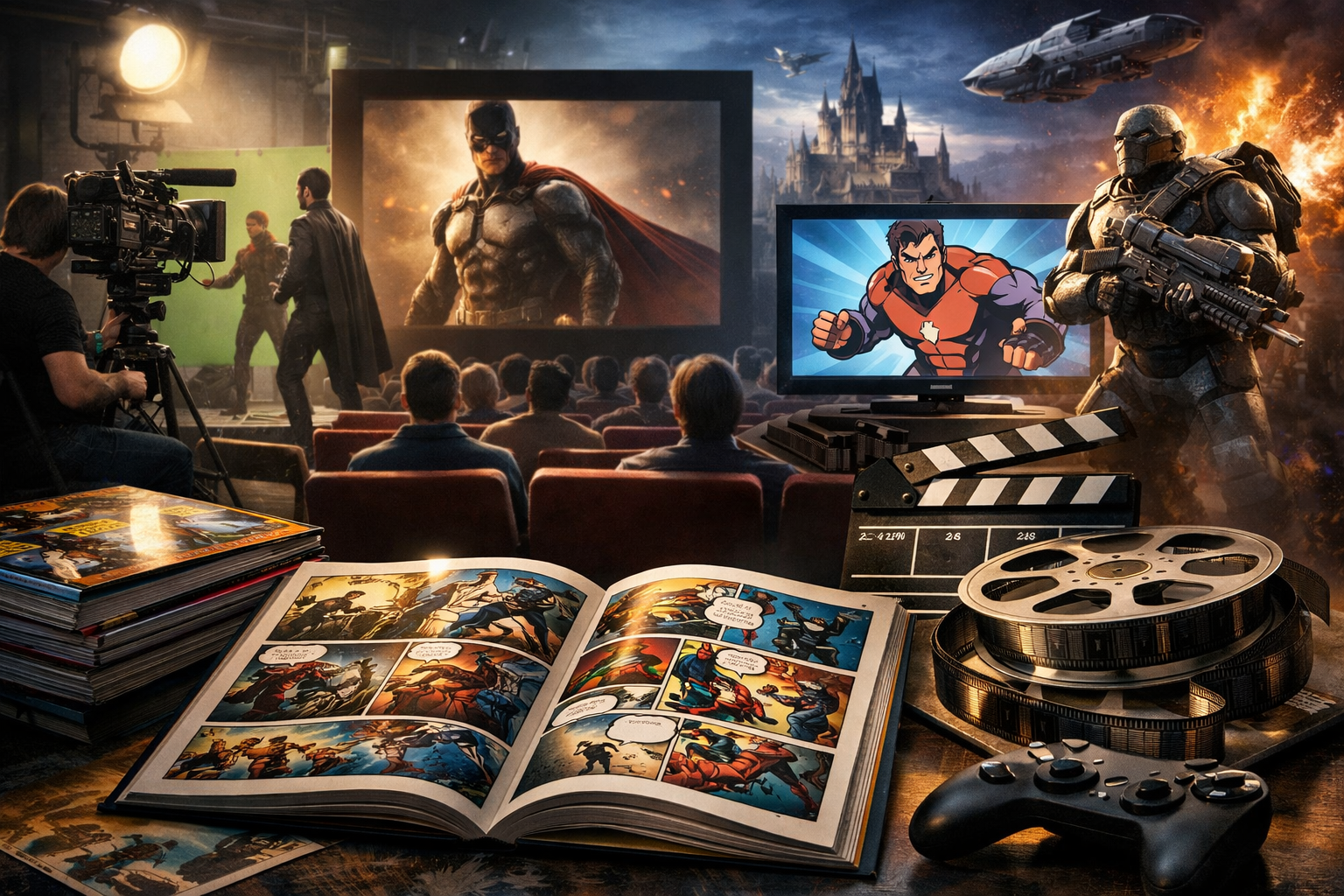
In the broader entertainment ecosystem, comics function as both a destination and a launchpad. They’re a complete art form on their own, but also a rich “idea engine” that supplies concepts, characters, and worlds for film, television, animation, podcasts, games, and merchandise. That adaptability is why comics have remained culturally relevant through shifting technologies and tastes.
What Makes Comics Different as Storytelling
Comics tell stories through the deliberate relationship between images and text. The reader’s brain does a special kind of work: it connects moments across gutters (the space between panels), interprets facial expressions and composition, and feels time stretch or snap depending on panel size and layout. This makes reading comics an active entertainment experience—part consumption, part collaboration.
- Visual pacing: A page turn can deliver a reveal like a jump scare, punchline, or emotional gut-punch with precise timing.
- Iconic design: Costumes, silhouettes, and color schemes build instantly recognizable characters that translate well to other media.
- World-building efficiency: One splash page can establish a universe that would cost millions to film.
- Genre flexibility: Beyond superheroes, comics thrive in romance, horror, memoir, sci-fi, slice-of-life, fantasy, and satire.
From Newsprint to Graphic Novels: A Quick Evolution
Comics have reinvented themselves repeatedly. Newspaper strips and early comic books built mass audiences with serialized humor and adventure. As publishers refined the monthly issue format, long-running universes and recurring heroes became the backbone of commercial comics. Later, the graphic novel expanded the medium’s prestige and reach, inviting bookstores and libraries to treat comics as literature rather than disposable entertainment.
Today’s landscape includes everything from collectible single issues to deluxe hardcovers and digital-first releases. That variety helps comics serve multiple entertainment roles: episodic comfort reading, bingeable long-form narratives, and curated art objects for collectors.
The Creative Team: Why Collaboration Matters
Comics are often created by teams, and the medium’s entertainment value comes from how those roles interlock. Writers craft dialogue, structure, and theme. Artists determine acting, staging, and visual rhythm. Inkers refine line and texture; colorists shape mood and readability; letterers control voice and clarity—often overlooked, yet essential to comedic timing and dramatic impact.
This collaborative pipeline is one reason comics adapt so well. A strong comic already contains “pre-visualization”: character designs, key scenes, and a sense of how story beats land. But great comics also do things film can’t—like impossible page layouts, symbolic visual metaphors, and elastic time—so adaptations succeed best when they translate the spirit, not just the plot.
Comics as a Franchise Engine
In modern entertainment, comics are a proven source of IP (intellectual property). But the relationship is not one-way. Successful screen adaptations can drive new readers to the source material, revive backlist sales, and encourage publishers to invest in new series. Meanwhile, comics allow creators and companies to test ideas with lower risk than film or TV production.
Why comics generate adaptable IP
- Long-term continuity: Decades of stories provide endless arcs to remix, modernize, or reboot.
- Character depth: Recurring heroes and villains develop layered motivations over time.
- Clear visual identity: Designs and iconography support marketing, cosplay, and merchandising.
- Built-in audiences: Fan communities create sustained conversation and anticipation.
At the same time, comics aren’t just a “content mine.” Many of the most acclaimed works are designed to be read as comics first, using page composition and sequential storytelling in ways that can’t be replicated elsewhere.
The Digital Boom: Webcomics, Social Platforms, and Global Reach
Digital publishing has expanded comics into a truly global entertainment format. Webcomics and webtoons have cultivated massive audiences by optimizing for mobile reading, frequent updates, and direct fan interaction. Creators can serialize chapters, experiment with genre hybrids, and build communities without traditional gatekeepers.
This shift has also diversified voices and styles. Readers can discover romance, horror, comedy, and fantasy series that might never fit an old retail model. Monetization varies—ads, subscriptions, crowdfunding, direct sales, and platform deals—but the throughline is accessibility: more people can make comics, and more people can read them.
Fandom, Collecting, and Live Entertainment
Comics entertainment isn’t confined to reading. Conventions, signings, artist alleys, and cosplay transform stories into shared public culture. Collecting adds another layer: variant covers, first appearances, graded issues, and limited editions can make comics feel like sports cards or fine art markets. For many fans, hunting, trading, and curating are part of the fun.
Community also shapes how comics are discussed. Online forums, podcasts, and video essays break down themes, compare story arcs, and spotlight creators. That ongoing conversation keeps even older series “alive,” allowing new generations to engage with them through fresh perspectives.
How to Start Reading Comics (Without Feeling Overwhelmed)
Comics can look intimidating—multiple publishers, reboots, timelines—but entry can be simple if you choose by taste instead of “homework.” Start with a genre you already enjoy in movies or books, then sample a few acclaimed runs or standalone graphic novels.
- Pick a format: Single issues for monthly excitement, collected editions for binge reading, or digital for convenience.
- Follow creators: If you love an artist’s style or a writer’s tone, explore their other projects.
- Use libraries: Many libraries have robust graphic novel sections and digital lending.
- Ask a comic shop: Good shops guide readers based on interests, not just continuity.
The Future of Comics in Entertainment
Comics are poised to remain one of entertainment’s most resilient formats because they’re scalable and inventive. They can be intensely personal memoirs or sprawling cinematic epics, produced by a single creator or a full studio. As digital platforms mature and print continues to evolve as a premium, collectible experience, comics will likely become even more varied in how they’re made and consumed.
Most importantly, comics endure because they reward attention. Every panel is a crafted moment; every page turn is a choice. In an entertainment world crowded with autoplay and endless feeds, comics offer something increasingly valuable: a story you control, at the speed of your own imagination.