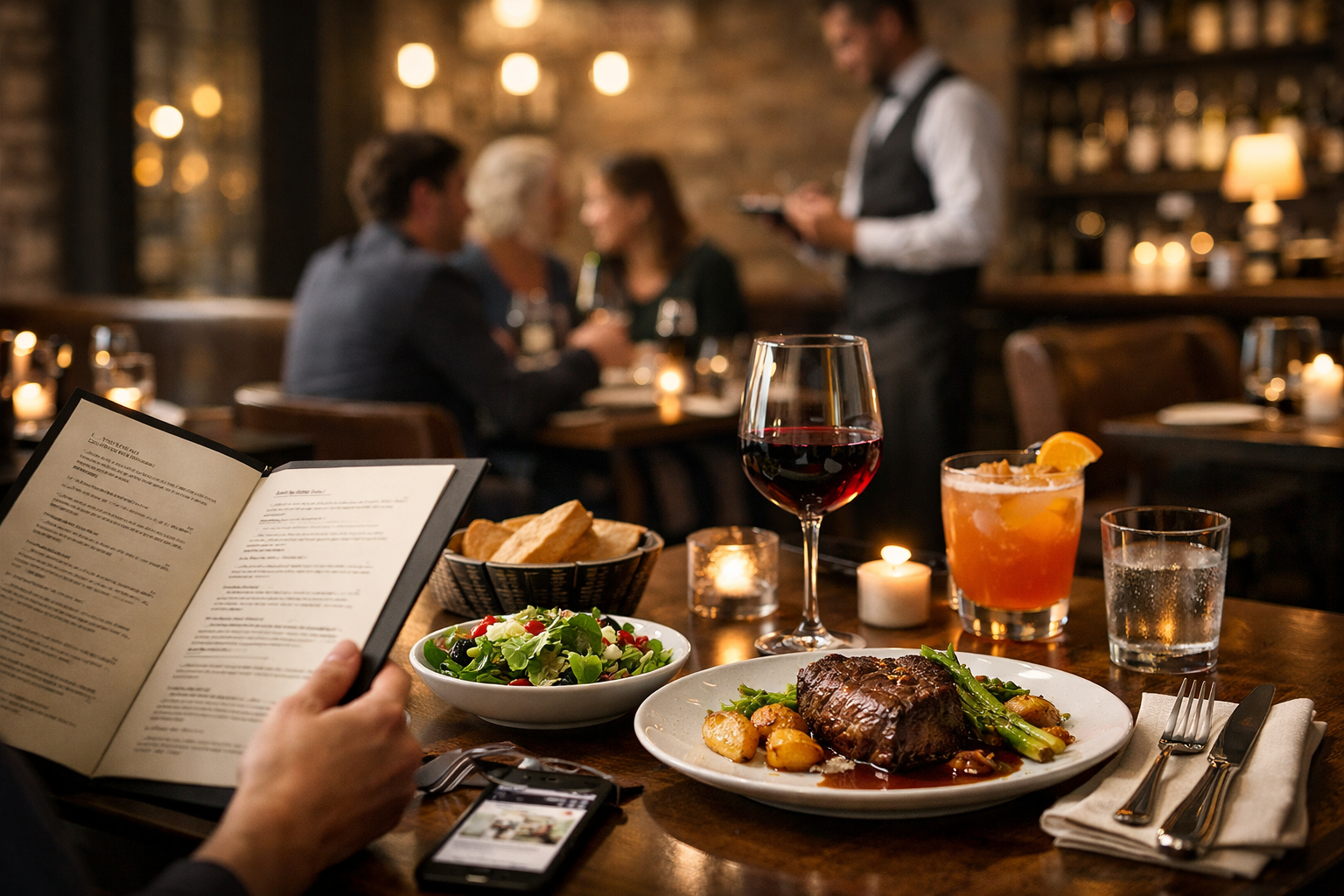
Why Restaurant Guides Matter
Restaurant guides do more than point diners toward popular places. They help people navigate a crowded food scene with confidence, whether they are planning a special dinner, hunting for a quick lunch, or exploring a new city through its local cuisine. A useful guide balances style and substance: it looks at atmosphere, service, value, consistency, and the quality of the food and drink rather than relying only on hype.
In today’s dining world, consumers have endless options, from neighborhood cafés and chef-driven bistros to tasting-menu destinations and family-run ethnic restaurants. A strong restaurant guide helps separate genuinely memorable spots from those that are simply well-marketed. It also encourages diners to think about what kind of experience they want, because the “best” restaurant is often the one that fits the moment, budget, and appetite.
What Makes a Restaurant Worth Recommending
Food Quality and Consistency
The foundation of any restaurant guide is the plate itself. Great restaurants serve food that is flavorful, well-executed, and consistent over time. One exceptional dish is not enough if the rest of the menu feels careless. A recommended restaurant should show attention to ingredients, technique, seasoning, and presentation, whether it specializes in handmade pasta, smoked barbecue, fresh seafood, or classic comfort food.
Consistency matters because diners want to trust that a restaurant can deliver on repeat visits. A guide should consider whether quality holds steady during busy service, weekday lunches, and peak weekend hours.
Service and Hospitality
Hospitality often determines whether a meal feels merely adequate or truly enjoyable. Strong service does not always mean formality. In a fine dining room, it may look like polished pacing and expert wine recommendations. In a casual restaurant, it might mean friendly staff, clear communication, and quick problem-solving. The best restaurant guides take note of how guests are greeted, how knowledgeable the staff are, and how well the team handles dietary restrictions, menu questions, or unexpected issues.
Atmosphere and Setting
Ambiance should match the restaurant’s identity. A lively taco spot can be excellent even if it is loud and simple, while a romantic dining room should feel comfortable, refined, and well-paced. Lighting, cleanliness, seating comfort, music volume, and overall energy all influence how people experience food and drink. A reliable guide explains the environment honestly so readers can choose a place that suits a business lunch, date night, solo meal, or group celebration.
Value for Money
A restaurant does not need to be cheap to offer value. Diners are usually happy to pay more when the ingredients, service, portion size, and overall experience justify the cost. Restaurant guides should help readers understand where a venue sits on the value spectrum. Sometimes the best recommendation is a modest eatery that serves outstanding food at fair prices. At other times, it is a premium restaurant that delivers an occasion-worthy experience.
How to Read a Menu Like a Pro
A good restaurant guide teaches diners how to interpret a menu before ordering. The layout often reveals what the kitchen does best. A concise menu can signal focus and freshness, while an overly large one may suggest inconsistency unless the restaurant is known for a broad format like a diner or tapas bar.
Look for house specialties, seasonal ingredients, and dishes that reflect the restaurant’s core identity. If a seafood restaurant highlights a daily catch, that may be a better choice than a generic chicken dish. If a bakery-café is known for laminated pastries or sourdough, those items often showcase its strengths more clearly than secondary offerings.
- Notice whether ingredients are described specifically, which can indicate care and sourcing.
- Ask about popular dishes, but also inquire about staff favorites.
- Check whether the menu changes seasonally, a sign of freshness and adaptability.
- Consider balance when ordering by mixing rich, light, cooked, and fresh items.
The Role of Food and Drink Pairing
Restaurant guides increasingly pay attention to beverage programs because drinks can elevate the entire meal. Wine, beer, cocktails, tea, coffee, and nonalcoholic options all contribute to a restaurant’s identity. A thoughtful drinks list should complement the menu rather than feel like an afterthought.
For diners, pairing does not need to be complicated. Crisp white wines often work well with seafood and lighter dishes, while reds can support richer meats and braised preparations. Cocktails may mirror flavors in the food, and nonalcoholic pairings such as sparkling teas, shrubs, or house-made sodas are becoming more sophisticated. A worthwhile guide points out whether a restaurant excels in pairings, has an especially creative bar program, or offers standout dessert and after-dinner drinks.
Choosing the Right Restaurant for the Occasion
One of the most practical functions of a restaurant guide is matching places to real-life dining needs. Not every excellent restaurant suits every situation. The ideal birthday dinner venue may be different from the best place for a quick pre-theater meal or a casual brunch with children.
Common Dining Scenarios
- Date Night: Look for warm lighting, attentive service, manageable noise levels, and a menu built for sharing or leisurely courses.
- Family Meals: Prioritize flexible seating, approachable menu options, reasonable wait times, and staff who welcome younger guests.
- Business Dining: Choose places with reliable reservations, professional service, comfortable acoustics, and efficient pacing.
- Solo Dining: Bar seating, counter service, tasting menus, or friendly neighborhood restaurants can make solo meals enjoyable and relaxed.
- Celebrations: Seek restaurants with standout signature dishes, polished hospitality, and a memorable setting.
How Reviews and Local Insight Improve Restaurant Guides
The strongest restaurant guides combine firsthand evaluation with community knowledge. Professional assessments are useful for judging execution and consistency, but local insight often reveals what regulars already know: where to find the best late-night noodles, the bakery with the shortest morning line, or the hidden lunch counter serving remarkable regional specialties.
At the same time, diners should read reviews critically. Extreme opinions, whether glowing or harsh, do not always reflect the typical experience. Patterns matter more than isolated comments. If many guests mention excellent service, generous portions, or inconsistent timing, those trends are worth noting.
Final Thoughts on Dining Well
A great restaurant guide is not simply a list of fashionable places. It is a practical tool for finding quality, understanding dining styles, and making better decisions about where to spend time and money. The best guides help diners think beyond star ratings by focusing on food, service, atmosphere, value, and the overall fit for a particular occasion.
Whether you are exploring your own neighborhood or planning meals while traveling, learning how to assess restaurants can make dining out more rewarding. With a little attention to menus, hospitality, and setting, every meal becomes an opportunity to discover not just good food and drink, but a better dining experience overall.