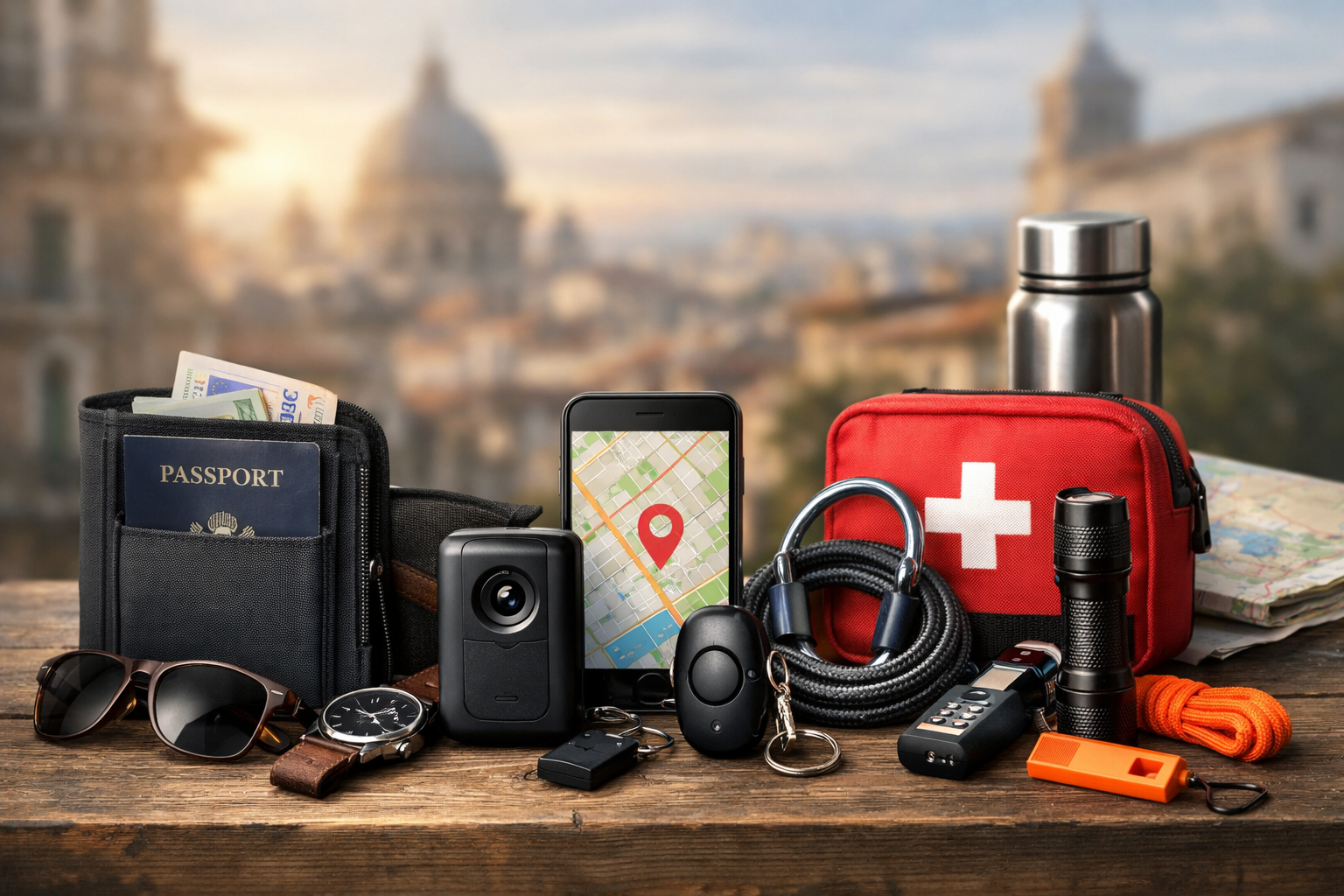
Why Travel Safety Matters
Travel opens the door to new cultures, experiences, and opportunities, but every trip also comes with uncertainty. Whether you are taking a weekend city break, traveling abroad for business, or setting off on a long-term adventure, personal security and preparedness should be part of your planning from the beginning. Good travel safety is not about fear. It is about reducing avoidable risks, making informed decisions, and being ready to act calmly if something unexpected happens.
From petty theft and transportation scams to medical emergencies and natural disasters, travelers can face a wide range of challenges. The most effective approach is a balanced one: stay aware, prepare in advance, and remain flexible enough to adapt to changing conditions.
Before You Leave: Build a Safety-First Plan
Preparation is the foundation of safe travel. Before departure, research your destination carefully. Review official travel advisories, local laws, weather patterns, common scams, and health recommendations. Understand whether certain neighborhoods should be avoided, if political demonstrations are common, or if seasonal events may affect transport and public safety.
It is also wise to organize key documents and backup information. Keep digital and printed copies of your passport, visa, travel insurance, itinerary, and emergency contacts. If your wallet or phone is lost, having copies can save time and reduce stress. Share your travel plans with a trusted friend or family member, especially if you will be moving between multiple cities or remote areas.
Pre-Trip Safety Checklist
- Check passport validity and entry requirements
- Purchase travel insurance with medical and emergency coverage
- Save embassy or consulate contact details
- Research local emergency numbers and hospital locations
- Download offline maps and translation tools
- Inform your bank of travel dates to avoid card issues
- Pack a small first-aid kit and any essential medication
Protecting Your Belongings and Personal Information
One of the most common travel risks is theft, especially in crowded tourist areas, transit hubs, and nightlife districts. A few practical habits can greatly reduce your chances of becoming a target. Use a cross-body bag, money belt, or anti-theft backpack, and keep valuables out of sight. Avoid carrying all your cash, cards, and identification in one place. Instead, divide them between a secure bag, hotel safe, and backup location.
Digital security matters too. Public Wi-Fi networks can expose your personal data if you are not careful. Avoid logging into banking apps or making sensitive transactions on unsecured networks. Use strong passwords, enable two-factor authentication, and keep your phone and laptop updated. If possible, use a virtual private network when connecting in airports, cafés, or hotels.
Smart Security Habits on the Road
- Carry only what you need for the day
- Keep your phone charged and locked with biometrics or a passcode
- Be cautious when using ATMs, especially at night
- Do not display expensive jewelry, cameras, or large amounts of cash
- Label luggage clearly but avoid displaying your full home address
- Use official taxis or verified ride-share services
Situational Awareness Without Anxiety
Staying safe while traveling often comes down to awareness. Pay attention to your surroundings, trust your instincts, and notice what is happening around you. If a place feels unsafe, overly isolated, or unusually tense, leave and reassess. Confidence and alert body language can discourage opportunistic crime. Avoid walking while distracted by your phone, especially in unfamiliar areas.
Try to learn basic local norms before you arrive. Understanding dress expectations, cultural etiquette, and transportation routines can help you avoid unwanted attention and reduce misunderstandings. It is also useful to know a few key phrases in the local language, such as how to ask for help, directions, or emergency assistance.
Nighttime requires extra caution. Stick to well-lit, populated routes and avoid accepting invitations, drinks, or unofficial transport from strangers. If you are socializing, know your limits and keep an eye on your belongings at all times.
Health, Safety, and Emergency Preparedness
Travel safety includes physical well-being. Food, water, climate, altitude, insects, and different sanitation standards can all affect your health. Drink safe water, eat from reputable places, wear sun protection, and take local health guidance seriously. If you have allergies or a medical condition, keep medication in original packaging and carry a doctor’s note if necessary.
Preparedness also means knowing what to do in an emergency. Upon arrival, identify exits in your accommodation, locate the nearest pharmacy or clinic, and understand local transportation options. In areas prone to earthquakes, storms, wildfires, or civil unrest, monitor local alerts and follow official instructions quickly.
What to Do if Something Goes Wrong
- If your passport is lost, report it immediately and contact your embassy or consulate
- If your bank card is stolen, freeze or cancel it through your banking app
- If you feel threatened, move to a public place and seek help from authorities or staff
- If you become ill, contact your insurer’s assistance line for approved care options
- If a disaster or major disruption occurs, follow verified local guidance and notify loved ones of your status
Safe Transportation Choices
Transportation decisions can strongly affect travel safety. Use licensed operators, wear seatbelts where available, and avoid overcrowded or poorly maintained vehicles. If renting a car, learn local driving rules and road conditions before setting out. For solo travelers, it is often safer to arrive in a new destination during daylight hours when navigation is easier and support services are more accessible.
At airports and train stations, remain alert during busy boarding periods when theft is common. Keep essential items such as identification, wallet, medication, and chargers in your carry-on rather than checked luggage. If you use rideshare apps, verify the license plate and driver details before entering the vehicle.
Prepared Travelers Enjoy More Confident Trips
Travel safety is not about eliminating every risk. It is about creating a strong foundation that lets you enjoy your journey with confidence. Careful preparation, sensible habits, digital awareness, and emergency planning can make a significant difference in both minor inconveniences and serious situations.
The safest travelers are usually not the most fearful—they are the most prepared. By staying informed, protecting your belongings, paying attention to your environment, and having a plan for emergencies, you can travel more comfortably and respond more effectively when challenges arise. Security, safety, and preparedness are not separate from the travel experience; they are what make meaningful travel possible.