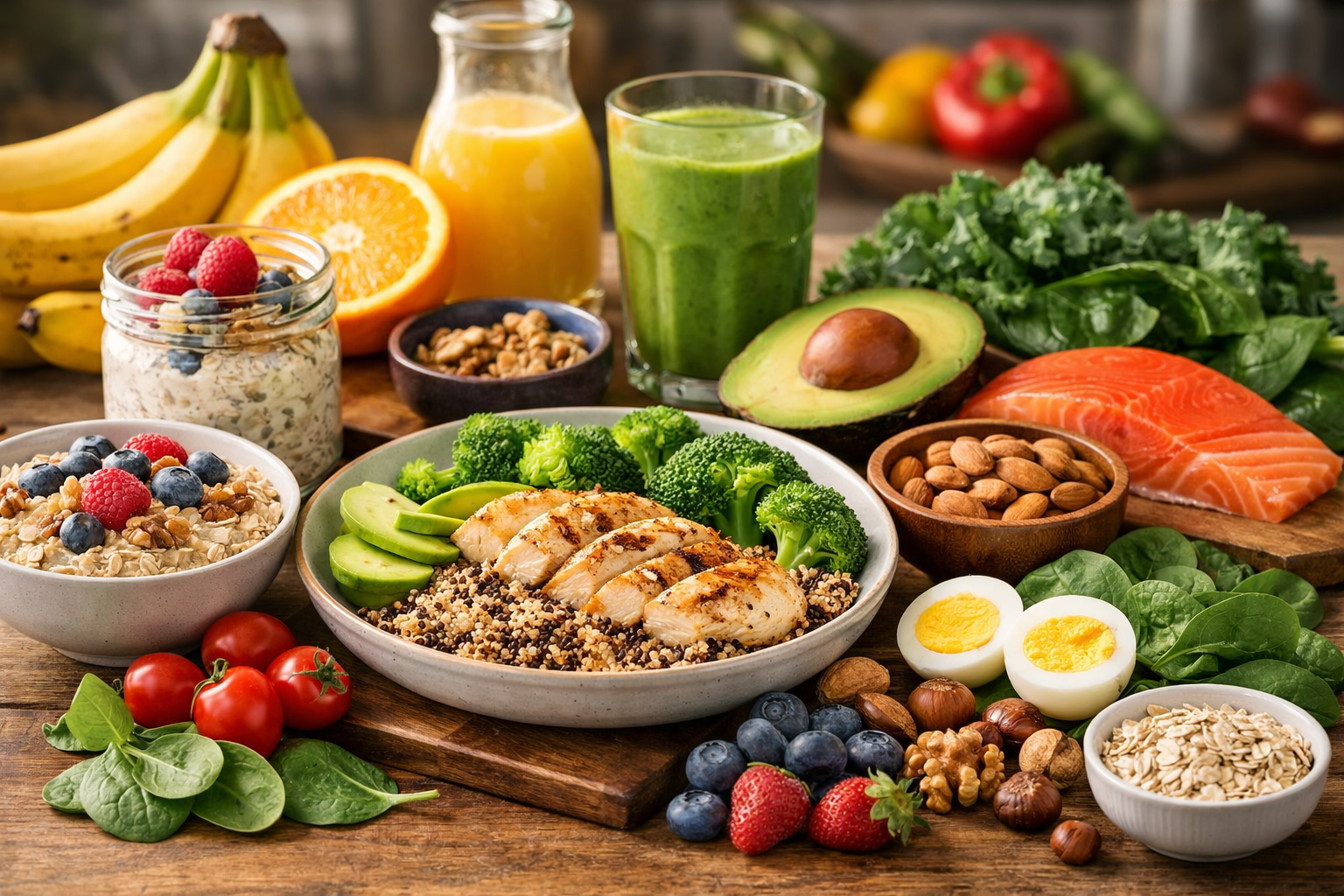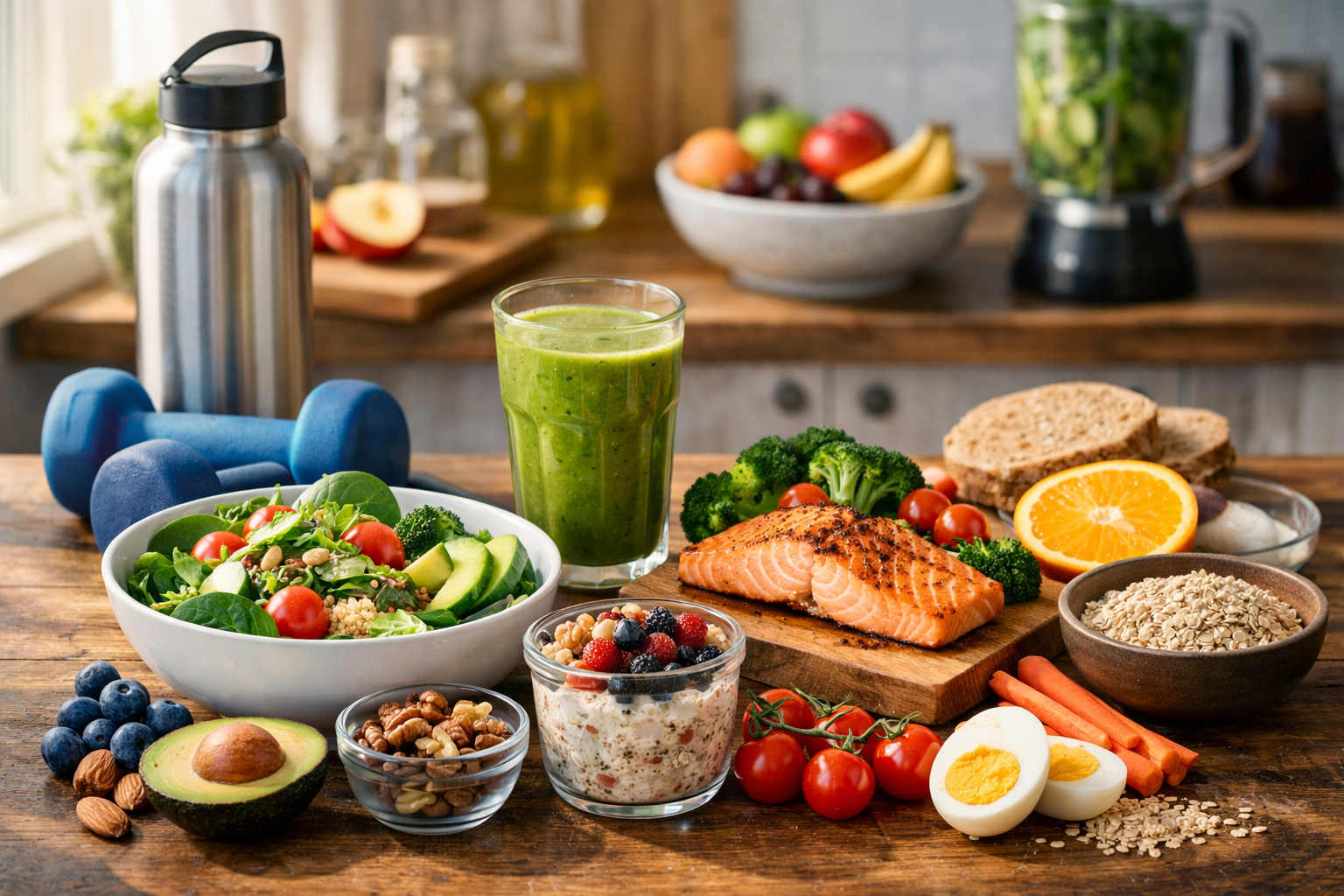
Why Nutrition Matters in Overall Wellness
Nutrition is one of the most powerful foundations of health and wellness. The food you eat affects nearly every system in the body, from brain function and digestion to heart health, immunity, and energy production. While exercise, sleep, and stress management all play essential roles in well-being, nutrition provides the raw materials your body needs to repair tissues, regulate hormones, and perform daily tasks efficiently.
In a world full of conflicting advice, healthy eating can feel complicated. However, the basics remain simple: focus on nutrient-dense foods, aim for balance, and build sustainable habits rather than chasing quick fixes. A strong nutrition routine does not require perfection. Instead, it depends on making thoughtful choices most of the time.
The Core Elements of a Balanced Diet
A balanced diet includes a variety of foods that provide macronutrients and micronutrients. Each has a specific role in supporting health.
Macronutrients: The Body’s Main Fuel Sources
- Carbohydrates: Carbohydrates are the body’s preferred energy source, especially for the brain and muscles. Whole grains, fruits, vegetables, and legumes provide carbohydrates along with fiber, vitamins, and minerals.
- Protein: Protein supports muscle repair, immune function, and hormone production. Good sources include fish, eggs, poultry, beans, lentils, tofu, Greek yogurt, and nuts.
- Healthy Fats: Fats help absorb fat-soluble vitamins and support brain and heart health. Choose sources such as avocados, olive oil, seeds, nuts, and fatty fish like salmon.
Micronutrients: Small but Essential
Vitamins and minerals are needed in smaller amounts, but they have major impacts on wellness. Calcium and vitamin D support bone health, iron helps transport oxygen, magnesium contributes to muscle and nerve function, and vitamin C supports the immune system. Eating a colorful variety of fruits and vegetables is one of the best ways to get a broad range of micronutrients naturally.
The Importance of Whole Foods
Whole foods are foods that are minimally processed and close to their natural form. Examples include fresh produce, whole grains, legumes, plain dairy, eggs, and unprocessed meats or plant proteins. These foods tend to offer more fiber, vitamins, minerals, and beneficial compounds than heavily processed alternatives.
Highly processed foods are often high in added sugars, sodium, and unhealthy fats while being low in nutritional value. Eating them occasionally is part of normal life, but relying on them too often can contribute to weight gain, blood sugar instability, and increased risk of chronic disease. Shifting your diet toward whole foods can improve satiety, digestion, and steady energy levels throughout the day.
How Nutrition Supports Long-Term Health
Healthy eating is not only about preventing nutrient deficiencies. It also plays a central role in lowering the risk of chronic illnesses. A balanced nutrition pattern may help reduce the likelihood of heart disease, type 2 diabetes, high blood pressure, and certain inflammatory conditions. Fiber-rich foods support gut health and cholesterol control, while antioxidant-rich fruits and vegetables help protect cells from oxidative stress.
Nutrition also influences mental wellness. Stable blood sugar, adequate omega-3 fats, B vitamins, and minerals such as magnesium can support concentration, mood, and overall cognitive function. When people eat regularly and include balanced meals, they often notice fewer energy crashes and better focus.
Practical Nutrition Habits for Everyday Life
Healthy eating becomes easier when it is built into your daily routine. Instead of trying to overhaul everything at once, start with practical habits that are realistic and sustainable.
- Build balanced plates: Aim to fill half your plate with vegetables or fruit, one quarter with lean protein, and one quarter with whole grains or starchy vegetables.
- Prioritize protein and fiber: These nutrients help keep you full and can reduce mindless snacking.
- Stay hydrated: Water is essential for digestion, circulation, temperature regulation, and energy. Many people mistake thirst for hunger.
- Plan ahead: Keeping simple staples on hand, such as oats, yogurt, eggs, beans, frozen vegetables, and fruit, makes healthy meals easier to prepare.
- Read labels thoughtfully: Look at ingredients, added sugar, sodium, and fiber rather than relying only on front-of-package claims.
- Practice consistency over perfection: One meal does not define your health. What matters most is your overall pattern over time.
Common Nutrition Mistakes to Avoid
Many people unintentionally make nutrition harder than it needs to be. One common mistake is skipping meals, which can lead to low energy and overeating later in the day. Another is cutting out entire food groups without a medical reason, which may increase the risk of nutrient gaps.
Fad diets are also a major obstacle. Diets that promise fast results are often difficult to maintain and may encourage an unhealthy relationship with food. Instead of labeling foods as strictly good or bad, it is more helpful to think in terms of frequency, portion, and overall balance. This mindset supports a healthier and more flexible approach to eating.
Nutrition and Individual Needs
There is no single perfect diet for everyone. Age, activity level, health conditions, cultural preferences, allergies, and lifestyle all influence nutritional needs. Someone training intensely may require more calories and protein, while another person may need to focus on blood sugar management or sodium reduction. Personalization matters.
For this reason, paying attention to your body is important. Notice how meals affect your hunger, digestion, focus, and energy. If you have specific concerns, working with a registered dietitian or healthcare professional can help you create a nutrition plan that fits your goals and health status.
Creating a Healthy Relationship with Food
Wellness is not just about nutrients on a plate. It also includes how you think and feel about food. A healthy relationship with food allows room for enjoyment, culture, flexibility, and satisfaction. Meals should nourish both the body and daily life, not become a source of constant guilt or stress.
Mindful eating can help. Slowing down, eating without distractions when possible, and paying attention to hunger and fullness cues may improve satisfaction and reduce overeating. Enjoying occasional treats without guilt is part of a realistic and sustainable lifestyle.
Final Thoughts
Nutrition is a daily opportunity to support your health in meaningful ways. By focusing on whole foods, balanced meals, hydration, and steady habits, you can build a strong foundation for both physical and mental wellness. The goal is not dietary perfection but progress that fits your real life. Small, repeated choices often have the greatest impact, and over time, those choices can lead to lasting improvements in how you feel and function.