Why Home Maintenance Matters More Than Most Homeowners Realize
Home maintenance is not just about keeping a house looking clean and organized. It is an ongoing process that protects structural integrity, preserves comfort, improves energy efficiency, and reduces the risk of expensive emergencies. From small seasonal tasks to larger improvement projects, regular upkeep helps homeowners stay ahead of wear and tear while making better decisions about repairs and upgrades.
Whether you are maintaining a family home, preparing a property for sale, or simply trying to avoid surprise repair bills, a structured maintenance plan can make a major difference. Resources such as the Construction and Maintenance directory can also help homeowners connect with relevant services and professionals when a project goes beyond DIY limits.
The Core Areas of Home Maintenance
Effective home maintenance can be divided into a few essential categories. Understanding these areas helps homeowners prioritize tasks and create a manageable routine.
1. Structural Maintenance
The structure of the home includes the roof, foundation, walls, windows, and doors. These elements protect the property from weather, pests, and moisture intrusion. Even minor cracks or leaks can become serious if they are ignored.
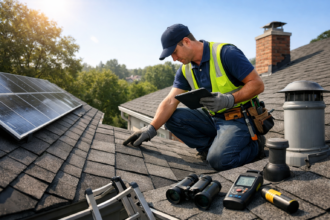
- Inspect the roof for missing shingles, sagging areas, or water damage.
- Check the foundation for cracks or signs of shifting.
- Seal gaps around windows and doors to prevent drafts and moisture issues.
- Look for peeling paint or damaged siding that may expose materials underneath.
2. Plumbing and Water Control
Water damage is one of the most common and costly household problems. Routine checks can catch issues before they affect floors, cabinets, drywall, or insulation.
- Inspect faucets, supply lines, and exposed pipes for leaks.
- Clean gutters and downspouts to direct rainwater away from the foundation.
- Test sump pumps if your home has a basement or crawl space.
- Check under sinks and around toilets for signs of hidden moisture.
3. Electrical and Safety Systems
A safe home depends on a reliable electrical system and functional safety devices. Some electrical tasks should always be handled by licensed professionals, but homeowners can still perform basic checks.
- Test smoke detectors and carbon monoxide alarms monthly.
- Replace old batteries and verify that all devices are functioning properly.
- Check outlets and switches for heat, buzzing, or discoloration.
- Review extension cord use and avoid overloading circuits.
4. Heating, Cooling, and Ventilation
HVAC systems work harder when maintenance is neglected. Regular servicing keeps indoor air healthier and energy bills more predictable.
- Replace air filters every one to three months.
- Keep vents and returns free of dust and furniture obstructions.
- Schedule seasonal servicing for furnaces and air conditioning units.
- Inspect attic and crawl space ventilation to reduce moisture buildup.
Simple DIY Maintenance Tasks With Big Benefits
Many home maintenance tasks do not require advanced tools or expert-level skill. In fact, a few simple habits can prevent much larger problems later.
Create a Seasonal Checklist
Breaking maintenance into seasonal tasks makes the workload more manageable. Spring can be ideal for exterior inspections and gutter cleaning. Summer often works well for painting, deck care, and landscaping. Fall is the time to prepare heating systems and seal drafts, while winter is best for monitoring insulation, ice buildup, and indoor humidity.
Caulk and Weatherproof Problem Areas
Applying fresh caulk around tubs, sinks, windows, and door frames is an inexpensive task that helps prevent leaks and energy loss. Weatherstripping is another affordable improvement that increases comfort and lowers utility costs.
Maintain Exterior Surfaces
Outdoor features are constantly exposed to sun, wind, rain, and temperature changes. Cleaning and resealing decks, driveways, fences, and patios can extend their lifespan and maintain curb appeal. Pressure washing should be done carefully to avoid damaging wood, siding, or masonry.
Keep Drains and Gutters Clear
Clogged gutters can lead to roof leaks, siding damage, and foundation problems. Indoor drains also benefit from regular attention. Avoid harsh chemical treatments when possible and use drain screens to catch debris before it creates blockages.
When Home Improvement and Maintenance Overlap
Maintenance and improvement often go hand in hand. A repair project can become an opportunity to improve function, appearance, or efficiency. For example, replacing old windows does more than fix a draft problem. It can also improve insulation, reduce noise, and modernize the home’s exterior.
Other examples include upgrading insulation while repairing attic moisture issues, replacing outdated fixtures during plumbing repairs, or installing durable flooring after fixing water damage. Homeowners who approach maintenance strategically can use necessary repairs as stepping stones toward broader property improvement goals.
Knowing When to Call a Professional
DIY work can save money and build confidence, but not every task should be handled alone. Roofing repairs, major electrical work, structural changes, and complex plumbing issues often require specialized knowledge, permits, or safety equipment. Hiring a qualified professional can protect both your home and your budget in the long run.
Directories focused on construction and maintenance services can be especially helpful when comparing available options, reviewing specialties, and finding support for projects that exceed basic home repair skills.
Building a Long-Term Maintenance Mindset
The most successful homeowners treat maintenance as a routine investment rather than a reaction to emergencies. Keeping records of repairs, service visits, warranties, and seasonal checklists makes it easier to track recurring issues and plan future improvements. A simple home maintenance binder or digital spreadsheet can help organize this information.
Budgeting for maintenance is also important. Setting aside funds each month for repairs and upkeep reduces stress when something unexpected happens. Even a small reserve can make it easier to handle urgent fixes without delaying necessary work.
Conclusion
Home maintenance is one of the smartest ways to protect property value, increase comfort, and avoid preventable damage. By combining routine DIY tasks with timely professional help, homeowners can keep their spaces safer, more efficient, and better prepared for the future. A proactive approach does more than preserve a house. It strengthens the reliability and livability of the place you call home.