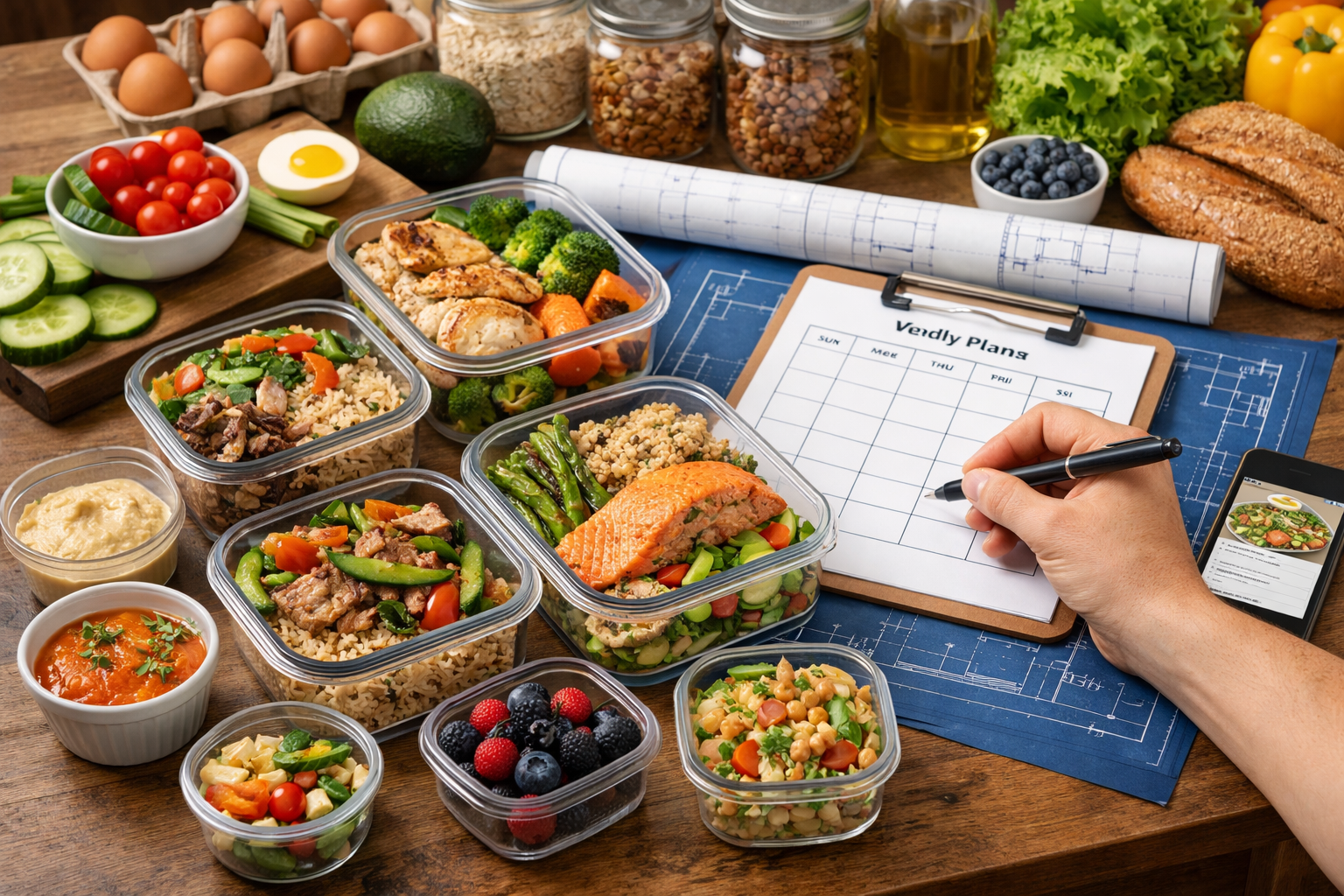
Why Meal Planning Works (Even If You Think You’re Bad at It)
Meal planning is less about rigid calendars and more about making a few decisions ahead of time so the rest of the week runs smoothly. When you plan, you reduce last-minute takeout, avoid duplicate purchases, and use ingredients before they spoil. The real benefit isn’t perfection—it’s fewer decisions at 6 p.m., steadier nutrition, and a kitchen that feels under control.
A good plan also respects real life: busy nights, changing appetites, and the occasional dinner invitation. The most sustainable approach is flexible meal planning—building a structure that can swap meals around without breaking the whole week.
Pick Your Planning Style: 3 Approaches That Fit Different Lives
1) The “Full Week” Plan
You assign dinners (and optionally breakfasts/lunches) to specific days. This works well if your schedule is predictable and you prefer certainty.
2) The “Mix-and-Match” Plan
You choose 4–6 dinner ideas and keep them in a list, not tied to days. You cook based on energy level and ingredient freshness. This is ideal for busy households and variable schedules.
3) The “Theme Night” Plan
You set broad categories (e.g., Meatless Monday, Taco Tuesday, Sheet-Pan Thursday). Themes reduce decision fatigue while leaving room for creativity.
The Core System: Plan, Shop, Prep, Cook, Adjust
Step 1: Take Inventory Before You Choose Recipes
Spend five minutes checking your fridge, freezer, and pantry. Note produce that needs using soon, proteins you already have, and staples you’re low on. This quick scan prevents waste and naturally shapes your week’s meals.
- Use-first items: leafy greens, berries, herbs, cooked leftovers
- Flexible staples: eggs, canned beans, rice, pasta, frozen vegetables
- Flavor builders: onions, garlic, lemons, soy sauce, spice blends
Step 2: Build a Balanced, Repeatable Menu
Rather than hunting for seven brand-new recipes, aim for a balanced set of reliable meals with one “fun” new idea. A simple framework is: two quick meals, two batch-friendly meals, one flexible “clean-out-the-fridge” meal, and one optional night for leftovers or eating out.
- Quick meals (15–25 minutes): stir-fry, omelets, sheet-pan sausage and vegetables
- Batch-friendly meals: chili, roasted chicken, grain bowls, baked pasta
- Clean-out meal: fried rice, soup, tacos, big salads
- Buffer night: leftovers, pantry meal, or a simple sandwich night
For nutrition, think in building blocks: a protein, a fiber-rich carb, vegetables, and a sauce or seasoning. This keeps meals satisfying without requiring complicated cooking.
Step 3: Write a Smart Grocery List (Organized by Store Layout)
A well-structured list prevents impulse buys and forgotten essentials. Group items into categories like produce, protein, dairy, pantry, frozen, and household. If you plan to use an ingredient twice (like spinach in pasta and omelets), write the total quantity you need to avoid running short.
- Produce: greens, tomatoes, onions, fruit for snacks
- Protein: chicken, tofu, beans, fish, deli turkey
- Carbs: rice, tortillas, potatoes, whole-grain bread
- Flavor: salsa, curry paste, pesto, broth, spices
Step 4: Do “Light Prep,” Not an All-Day Marathon
Meal prep doesn’t have to mean cooking everything on Sunday. Light prep is about removing friction so weeknight cooking is faster. Choose 2–4 tasks that deliver the biggest payoff.
- Wash and chop sturdy vegetables (carrots, peppers, broccoli)
- Cook one base grain (rice, quinoa) for bowls and sides
- Make one sauce or dressing (vinaigrette, yogurt sauce, peanut sauce)
- Pre-cook or marinate a protein (chicken thighs, tofu, ground turkey)
Store prepped components in clear containers at eye level so they actually get used.
Step 5: Cook in a Way That Creates “Planned Leftovers”
Leftovers are most useful when they’re intentional. Double a recipe once or twice per week and repurpose it into a different meal so it doesn’t feel repetitive.
- Roast chicken → tacos → chicken salad sandwiches
- Cooked lentils → grain bowls → lentil soup
- Roasted vegetables → pasta → frittata
How to Handle Breakfasts, Lunches, and Snacks Without Overplanning
Many people burn out by trying to plan every single meal. A simpler method is to rotate a few “default” options.
- Breakfast defaults: overnight oats, yogurt + fruit + nuts, eggs + toast
- Lunch defaults: leftovers, salad kits + protein, freezer meals, sandwiches
- Snack defaults: fruit, hummus and crackers, trail mix, cheese and veggies
Keeping predictable options on hand helps you stay consistent without spending hours making a separate plan for every midday meal.
Budget and Waste: Small Habits That Make a Big Difference
Meal planning is one of the most effective ways to lower food costs because it aligns purchases with real meals. Focus on versatile ingredients and a “use-it-up” strategy.
- Plan 1–2 meals that use overlapping ingredients (e.g., cilantro for tacos and salads)
- Buy frozen produce for backup vegetables that won’t spoil
- Schedule a leftover night before your next grocery trip
- Use a “scrap bag” in the freezer for broth (onion ends, carrot peels, celery tops)
Make It Sustainable: A Weekly Routine You Can Repeat
Consistency comes from a simple ritual. Pick a planning day and keep the process short. Many people find that 30–45 minutes is enough to plan, build a list, and check the calendar.
- 10 minutes: check schedule + inventory
- 10 minutes: choose meals using a formula (quick, batch, flexible)
- 10 minutes: write a categorized grocery list
- Optional 10–15 minutes: light prep (one grain, one veggie, one sauce)
If the week changes, swap meals rather than scrapping the plan. Cook the most perishable ingredients first, save freezer-friendly meals for later, and keep one pantry meal in your back pocket (pasta with beans, eggs and rice, or a simple soup).
A Simple Example Week (Mix-and-Match)
- Quick: veggie stir-fry with tofu and rice
- Quick: eggs + sautéed greens + toast
- Batch: turkey or bean chili (for lunches)
- Batch: sheet-pan chicken, potatoes, and broccoli
- Flexible: tacos with leftovers + salsa + salad
- Buffer: leftovers or pantry pasta
Meal planning doesn’t need to be complicated to be powerful. Start small, repeat what works, and let your plan serve your life—not the other way around.