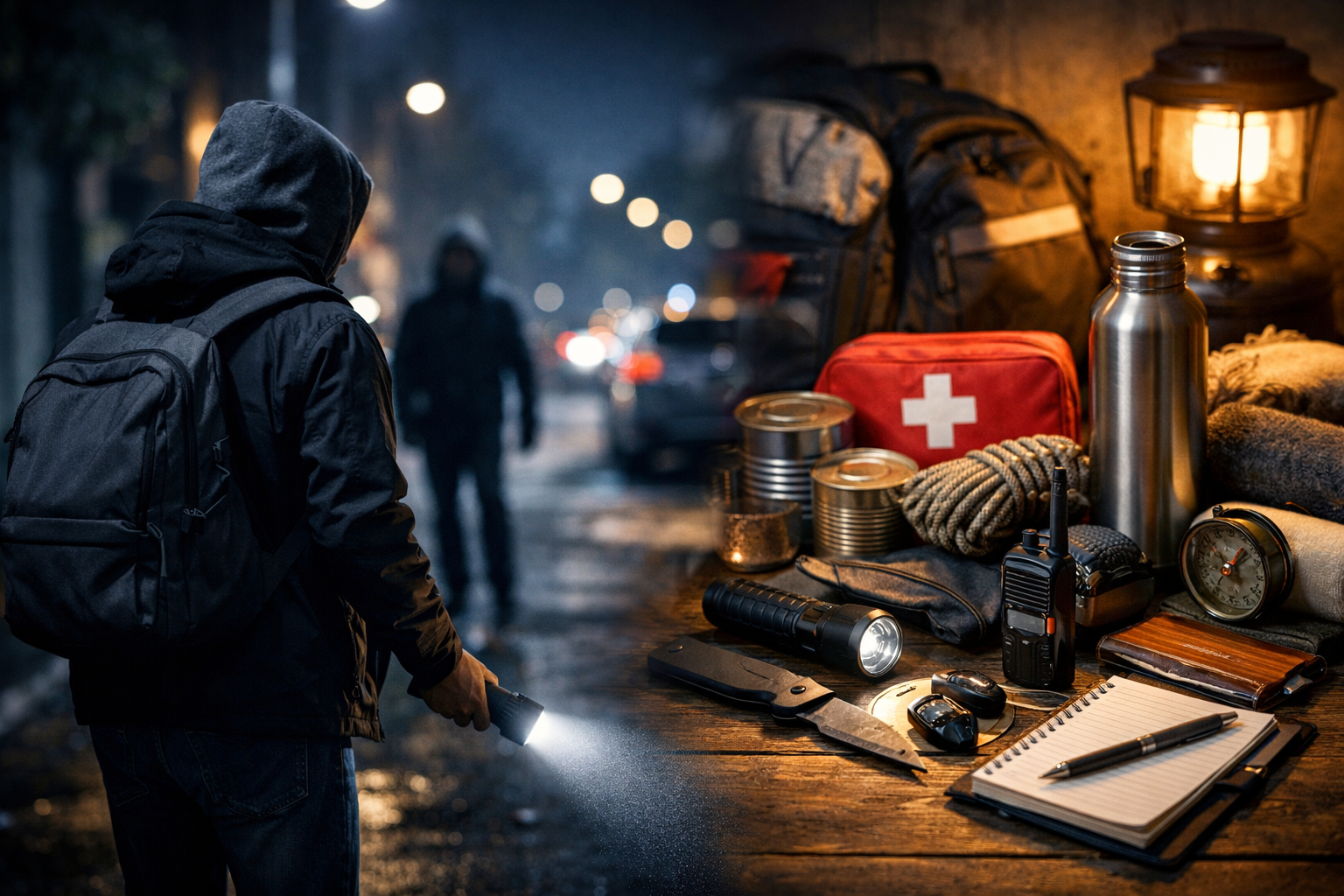
Why Personal Safety Is a System, Not a Single Tool
Personal safety sits at the intersection of security (preventing harm), safety (reducing accidental risk), and preparedness (responding effectively when something goes wrong). No gadget replaces good judgment, and no single habit covers every scenario. The most reliable approach is a layered system: awareness, boundaries, basic security measures, communication plans, and realistic practice.
Think of personal safety as a set of repeatable decisions you make daily—where you park, how you share location, what you keep in your bag, how you handle strangers, and what you do when your intuition flags a situation. The goal isn’t to live in fear; it’s to lower your risk and increase your options.
Situational Awareness: The Foundation
Situational awareness means noticing what’s normal and what’s not, then adjusting your behavior early. Most dangerous situations escalate over time; the earlier you detect and disengage, the safer you are.
Practical awareness habits
- Use “heads-up” moments: In parking lots, elevators, stairwells, transit stops, and while unlocking doors—reduce distractions and scan your surroundings.
- Identify exits and cover: In any new environment, note the nearest exits, well-lit routes, and places you could go if you needed help quickly.
- Trust pattern breaks: Someone lingering without purpose, matching your pace, testing boundaries with questions, or forcing closeness can be a cue to create distance.
- Pre-plan small choices: Park in well-lit areas, keep your keys ready before you walk to your car, and avoid prolonged phone use while moving.
A helpful rule is “distance is time.” Creating space gives you time to think, time to speak, and time to leave.
Personal Boundaries and De-Escalation
Many confrontations can be avoided with early, calm boundary-setting. You don’t owe strangers your time, explanations, or personal information.
Simple boundary scripts
- Decline and move: “Sorry, can’t help.” Keep walking.
- Create distance: “Please stay back.” Step to the side, change direction, or enter a public business.
- Interrupt persistence: “I said no.” Repeat once; don’t negotiate.
- Recruit help: “Can you help me? I’m being followed.” Directly address a specific person or employee.
If a situation feels wrong, prioritize leaving over being polite. De-escalation works best when paired with movement toward safety, not prolonged conversation.
Everyday Preparedness: What to Carry and What to Know
Preparedness doesn’t require a heavy kit. It requires a few essentials and the knowledge to use them.
A realistic daily carry checklist
- Charged phone + backup power: A small power bank and cable can keep you connected.
- Emergency contacts: Saved under “ICE” (In Case of Emergency) and shared with trusted people.
- Medical basics: Bandages, antiseptic wipes, any critical medications, and knowledge of allergies.
- Light and sound: A small flashlight and a loud personal alarm can improve visibility and attract attention.
- Information: A note with key medical info and a secondary contact in case your phone is inaccessible.
Also learn local emergency numbers, your area’s common hazards (storms, heat, earthquakes), and the fastest routes to safe locations from your home and workplace.
Home Security: Layered and Low-Drama
Home security is strongest when it’s simple, consistent, and layered. Most break-ins rely on speed and opportunity; you want to increase the effort required and reduce easy access.
High-impact home safety steps
- Lighting: Use exterior lighting on entry points and motion lights in dark areas.
- Locks and doors: Use sturdy deadbolts, reinforce strike plates, and ensure doors fit the frame securely.
- Windows and sliding doors: Add dowels or security bars to prevent forced sliding; keep windows locked.
- Visibility: Trim shrubs near entryways and keep valuables out of view from windows.
- Routines: Lock doors even when home; check doors and windows before bed.
- Neighbors: A basic rapport with neighbors and shared awareness often prevents problems earlier than technology does.
Consider a “safe room” mindset in a broad sense: know where you can go inside your home to call for help, lock a door, and put barriers between you and danger.
Digital Safety Is Personal Safety
Modern threats often begin online: location leaks, impersonation, stalking, and account takeovers. Digital hygiene protects your physical routines and relationships.
Key digital protections
- Limit location sharing: Review who can see your location and remove legacy permissions you no longer use.
- Harden accounts: Use strong unique passwords and turn on multi-factor authentication.
- Be cautious with routine posts: Avoid sharing real-time locations, daily commute details, or travel timelines publicly.
- Check privacy settings: Especially on social platforms, fitness trackers, and map-based apps.
If you suspect stalking or harassment, preserve evidence (screenshots, timestamps), tighten privacy, and involve trusted support and authorities where appropriate.
Travel and Transit: Reducing Risk Without Limiting Freedom
Whether you drive, walk, or use public transit, safety improves when you minimize isolation and maximize options.
- Plan your route: Prefer well-lit streets and predictable transport hubs. Know alternatives if a route feels unsafe.
- Maintain space: Stand near other riders or in view of staff and cameras when possible.
- Keep valuables discreet: Use a crossbody bag, keep your phone secured, and avoid displaying expensive items.
- Use “check-in” habits: Share your ETA with someone you trust, especially at night or in unfamiliar areas.
Emergency Planning: Make a Simple, Practiced Plan
In emergencies, people revert to what they’ve practiced. A basic plan reduces panic and speeds up good decisions.
Three elements to prepare
- Communication: Decide who you’ll contact, how you’ll reconnect if networks fail, and where you’ll meet.
- Supplies: Keep water, shelf-stable food, a flashlight, batteries, and a first-aid kit at home. Refresh periodically.
- Evacuation and shelter: Know when to leave vs. stay put, and keep critical documents accessible.
Practice matters: run a quick “what if” drill once a month—fire escape routes, meeting points, or how to reach emergency contacts if your phone dies.
Confidence Comes From Rehearsal and Realistic Expectations
Personal safety isn’t about being fearless; it’s about being prepared. Build skills gradually: learn basic first aid, practice assertive boundary phrases, review your privacy settings, and make your home a little harder to access. Small changes—repeated consistently—create meaningful protection and peace of mind.